
Flowers
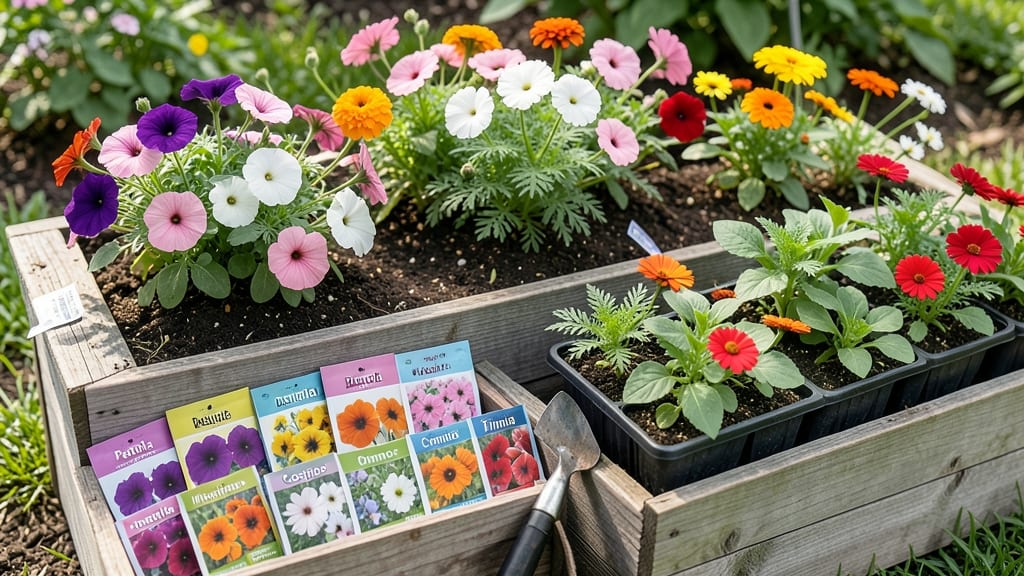
Timing your planting of Flowers 🌸 in Zone 7 isn’t just about avoiding frost—it’s about unlocking the secret to vibrant blooms that last all season. Whether you’re dreaming of tulips bursting in spring or daylilies thriving in summer, getting the schedule right makes all the difference.
Most gardeners in Zone 7 (General) assume March is the only window, but the truth is more nuanced. Microclimates—like urban heat islands or sheltered garden spots—can shift your ideal planting times by weeks, giving you extra weeks to enjoy those showy petals.
In this guide, I’ll break down exactly when to plant annuals, perennials, and bulbs to match your local conditions. No more guessing whether your petunias will wilt before they bloom—just a clear, foolproof schedule tailored to your garden’s unique rhythm.
Ready to transform your flower beds into a year-round spectacle? Let’s dive into the perfect timing for every type of bloom in your Zone 7 garden.
Zone 7 frost dates & optimal flower planting windows by type
In Zone 7, your flower planting success hinges on understanding two critical dates: the average last frost (March 15) and the first frost (November 15). These dates create a 180-day frost-free window—your golden opportunity to grow vibrant blooms.
However, urban areas can experience frost 1-2 weeks later due to urban heat islands, while rural spots may see earlier frosts.
Your planting strategy must adapt to three flower categories: annuals (seasonal stars), perennials (year-round performers), and bulbs (springtime showstoppers). Each has unique timing needs.
For example, tender annuals like petunias need to wait until soil warms to 60°F (15°C), while hardy perennials like daylilies can handle cooler spring soils.
Here’s the non-negotiable rule: Never plant frost-sensitive flowers until two weeks after your last frost date. This buffer accounts for late cold snaps. For Zone 7’s southern edge (e.g., Atlanta), you might plant two weeks earlier than the northern edge (e.g., Chicago suburbs).
Always check your local frost maps—they’re your planting GPS.
Fall planting is equally critical. Cool-season annuals like pansies thrive when planted 6-8 weeks before first frost (early October in Zone 7). Meanwhile, spring-blooming bulbs (tulips, daffodils) need 6-8 weeks of chill, so plant them in November—not October or December.
Microclimates complicate things. A south-facing slope warms 2-3 weeks faster than a north-facing garden. Test your soil temperature with a soil thermometer—most flowers need 50-60°F (10-15°C) to sprout. If your soil is colder, wait or use row covers.
Let’s break down the ideal planting windows for each flower type, including microclimate adjustments for urban vs. rural Zone 7 gardens.
| Flower Type | Ideal Planting Window | Microclimate Adjustments | Soil Temp Requirement |
|---|---|---|---|
| Annuals (Petunias, Marigolds) | April 15–May 15 | Urban: Wait 10–14 days; Rural: Plant 3–5 days earlier | 60–70°F (15–21°C) |
| Perennials (Daylilies, Coneflowers) | March 1–April 15 | South slopes: 2 weeks earlier; Shade: 1 week later | 45–55°F (7–13°C) |
| Spring Bulbs (Tulips, Daffodils) | November 1–15 | Urban: Plant by Nov 1; Rural: Nov 15 | 50–60°F (10–15°C) |
| Fall Annuals (Pansies, Snapdragons) | September 15–October 15 | Wind-exposed: Use row covers; Shade: Plant 1 week later | 55–65°F (13–18°C) |
| Tender Plants (Geraniums, Coleus) | May 1–June 1 | Urban: Wait until May 15; Rural: Plant by May 1 | 65–75°F (18–24°C) |
Notice how perennials get a wider window because they’re established. Annuals, however, demand precision—plant them too early, and they’ll bolt (produce seeds) before blooming. Bulbs are the outliers: They need cold stratification, so plant them in fall, not spring.
For Zone 7’s southern edge (e.g., Birmingham, AL), you can push annuals into early April. In the north (e.g., Indianapolis, IN), wait until mid-May for heat-loving varieties like lantana. Always monitor your local Almanac frost predictions—they’re updated annually and account for climate shifts.
Pro tip: Use season extenders like cold frames or cloches to plant 3-4 weeks earlier in spring. These create microclimates that trap heat, letting you grow pansies in February or calendulas in October—long after your neighbors have given up.
Remember, soil temperature matters more than air temperature. A <
How microclimates in Zone 7 change flower planting timing
Your Zone 7 garden might feel uniform, but microclimates create invisible boundaries that shift planting windows by weeks or even months. A sunny south-facing bed warms up faster than a shady north corner, while urban areas trap heat that delays frost.
These variations mean your neighbor’s perfect schedule could fail in your own backyard—and vice versa.
Understanding these microclimates lets you plant earlier in warm pockets or protect late bloomers from unexpected chills. For example, a black plastic mulch on a raised bed can raise soil temps by 10°F, letting you plant tender annuals like impatiens 2–3 weeks before your average last frost date.
Here’s how to test your microclimates before planting: Place a soil thermometer 2 inches deep in each potential bed for 3 days. Note when temps hit 60°F (ideal for cool-season flowers) or 70°F (safe for warm-season picks).
Repeat in full sun, partial shade, and shady spots—your results may surprise you.
- 🌞 Sun Exposure: South-facing beds warm 2–4 weeks earlier than north-facing spots. Test with a sun gauge (stick in soil) to track heat accumulation.
- 🌿 Wind Patterns: Open areas dry out faster. Group plants in windbreaks (like shrubs or fences) to plant 1–2 weeks earlier.
- 🏙️ Urban Heat Islands: Pavement and buildings raise temps by 5–10°F. Plant heat-loving flowers (e.g., lantana, salvia) 2 weeks before rural areas.
- 🌱 Soil Type: Sandy soil warms faster than clay. Amend with compost to retain moisture and extend planting into cooler microclimates.
- 💧 Water Access: Drip irrigation keeps soil warm. Use it to plant 1 week earlier in dry microclimates where soil cools quickly.
Adjust your schedule based on these findings. For instance, if your shady microclimate hits 60°F by April 15, plant cool-season flowers like pansies then—but wait until May 1 for warm-season petunias in full sun. Pro tip: Use frost cloth to protect late plantings in cooler pockets.
Even within 100 feet, your garden’s microclimates can create a 3-week planting spread. Map your beds now: Label each area with its sun hours, soil warmth, and wind exposure. This simple step turns guesswork into a precision planting plan tailored to your yard’s hidden zones.
Once you’ve identified your microclimates, group flowers with similar needs together. For example, drought-tolerant lavender thrives in hot, dry spots, while hostas prefer shady, moist corners. This zonal planting reduces stress on your schedule—and your water bill.