
Plants
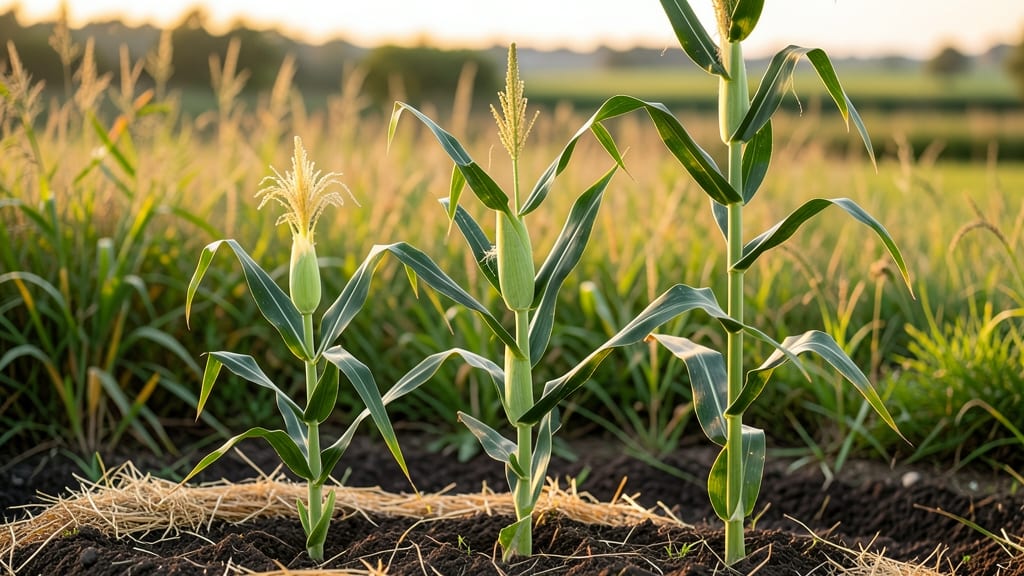
If you’ve ever wondered how tall a corn plant can grow, the answer might surprise you—because these stalks can reach heights that’ll make you reconsider your garden layout!
The height of corn plants varies dramatically, from 3-foot dwarf varieties to 12-foot giants, depending on the type you choose. Sweet corn, the kind we love on the cob, typically stands between 6 and 10 feet tall, while ornamental corn can stretch even taller.
For home gardeners in USDA Zone 6a, knowing these differences is key to planning space and ensuring your plants thrive.
But it’s not just about height—corn’s growth habits can also impact how you arrange your garden. Tall varieties need extra space to avoid shading out neighbors, while shorter types might work better in small plots.
Whether you're planting in April or May, understanding these variations will help you maximize your harvest without sacrificing yard space.
Ready to discover how to pick the perfect corn for your garden? Let’s break down the heights, spacing needs, and even some clever tricks for managing tall stalks—so you can enjoy a bountiful harvest without the headaches!


Corn plant height by variety: from dwarf to giant stalks
Corn plants can transform your garden from a cozy backyard to a towering jungle if you're not prepared! The height of corn varieties ranges dramatically, from 3-foot dwarf types to 12-foot giants. Understanding these differences helps you plan your garden layout and choose the right varieties for your space.
Most home gardeners grow standard sweet corn, which typically reaches 6 to 10 feet tall. However, ornamental corn—like the striking Glass Gem variety—can soar even higher, sometimes exceeding 12 feet. Meanwhile, dwarf corn varieties stay compact, making them ideal for small gardens or containers.
Here’s a quick breakdown of how corn height varies by type, so you can pick the perfect variety for your garden’s size and style.
| Variety Type | Height Range | Best For | Notes |
|---|---|---|---|
| Dwarf Sweet Corn | 3–5 ft | Small gardens, containers | Early maturing, great for urban gardens |
| Semi-Dwarf Sweet Corn | 5–7 ft | Balconies, raised beds | Good compromise for space |
| Standard Sweet Corn | 6–10 ft | Traditional gardens, large plots | Most common for home harvests |
| Popcorn Varieties | 7–12 ft | Ornamental displays, windbreaks | Tall stalks, drought-tolerant |
| Ornamental Corn | 8–12+ ft | Landscaping, decorative gardens | Striking colors, non-edible |
The Glass Gem corn, for example, is a favorite among gardeners for its vibrant colors and towering height. If you’re growing it for ornamental purposes, its height won’t matter as much as its visual impact.
But if you’re planting sweet corn for harvest, you’ll want to stick to varieties that stay between 6 and 8 feet for easier management.
For small gardens, consider dwarf varieties like 'Golden Bantam' or 'Tom Thumb,' which stay under 5 feet. These are perfect if you’re short on space or want to grow corn in containers.
Meanwhile, standard varieties like 'Silver Queen' or 'Country Gentleman' will give you that classic corn experience but require more room to thrive.
If you’re planning to grow corn as a windbreak or for privacy, taller varieties like 'Miracles' or 'Country Gold' can reach 10 feet or more. Just be prepared for their impressive stature—these stalks can block sunlight from neighboring plants, so give them plenty of space!
One final tip: Corn height can vary based on growing conditions. Rich soil, ample sunlight, and consistent watering will encourage taller growth, while poor soil or drought stress can stunt plants. Always check the seed packet for specific variety details to set your expectations.
Now that you know the height range, you can plan your garden layout with confidence—whether you’re aiming for a compact corn patch or a dramatic corn tower! 🌽
How corn height affects garden layout and productivity
Tall corn plants—especially those reaching 8 to 12 feet—can dramatically reshape your garden's dynamics. Their height affects everything from spacing requirements to sunlight exposure for neighboring plants. If you’re planning a corn patch, understanding these factors will help you maximize yields without overcrowding your space.
Standard sweet corn varieties typically grow 6 to 10 feet tall, while ornamental varieties like flint corn can even surpass 12 feet. This height means you’ll need to account for wind resistance and sunlight competition.
In smaller gardens, tall corn can cast long shadows, potentially stunting shorter plants like beans or lettuce.
Here’s how corn height impacts your garden’s productivity and layout:
Spacing Requirements: Tall corn needs 12 to 18 inches between plants and 3 to 4 feet between rows. Dwarf varieties can be spaced closer (8 to 12 inches apart), saving space for other crops.
Sunlight Needs: Corn requires 6 to 8 hours of direct sunlight daily. Tall varieties can block sunlight for nearby plants, so position them on the north side of your garden to avoid shading shorter crops.
Wind Resistance: Corn stalks over 8 feet tall may need staking or trellising in windy areas to prevent lodging (falling over). This is especially critical in USDA Zones 4-6, where strong winds are common.
Companion Planting: Tall corn can act as a living trellis for climbing beans or peas, but avoid planting shallow-rooted crops like carrots nearby, as corn roots compete aggressively for nutrients.
Harvest Accessibility: Tall corn makes harvesting ears difficult if you’re shorter than 5.5 feet. Consider planting dwarf varieties or creating a raised bed to improve accessibility and reduce back strain.
If your garden has limited space, opt for semi-dwarf varieties like 'Golden Bantam' (5-6 feet) or 'Temptation' (6-7 feet). These still produce abundant ears while staying manageable for small plots. For larger gardens, use tall corn as a windbreak or privacy screen along property lines.
Pro tip: Plant corn in blocks (not rows) to improve pollination, especially for tall varieties. This ensures better ear development and higher yields, even in windy conditions. Just remember—taller corn means more space, more sunlight, and more strategic planning! 🌽