
Plants
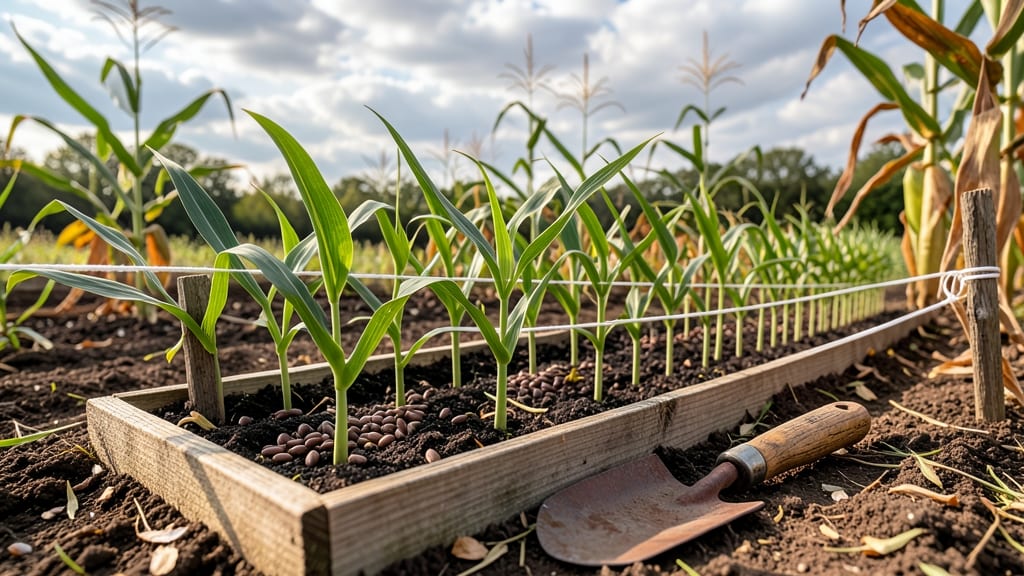
Planting corn in California isn’t one-size-fits-all—your county’s heat zone could mean the difference between a thriving crop and a failed harvest. Whether you’re in the foggy coastal 10a zones or the scorching desert 10b regions, timing is everything for 🌽 success.
Most gardeners in the Central Valley start as early as March, while coastal areas like San Francisco wait until April or May to avoid frost. But here’s the catch: even within the same region, microclimates can shift your ideal planting window by weeks.
I’ll break down the exact months for your specific heat zone, plus soil prep tips to ensure your corn thrives. No more guesswork—just data-driven planting for your county’s unique conditions.
Ready to grow corn that’s taller than you and packed with flavor? Let’s get started with the perfect schedule for your microclimate.
California corn planting dates by heat zone (with county-specific timelines)
California’s corn planting success hinges on understanding your heat zone and last frost date. The state spans from coastal fog belts (like Humboldt) to desert regions (like Imperial), where frost is rare.
Your planting window shifts dramatically—coastal areas wait until April-May, while inland valleys start as early as mid-March. Let’s break down the optimal planting months by region to avoid cold soil or summer heat stress.
Soil temperature is your #1 priority. Corn seeds won’t germinate below 50°F (10°C), but roots thrive at 60°F+ (15°C+). Use a soil thermometer to confirm readiness—especially in high-elevation areas like Shasta County, where nights stay chilly longer.
Black plastic mulch can warm soil by 5-10°F in cooler microclimates, giving you a 2-3 week head start.
🌽 Key Insight: California’s USDA zones 9a-10b mask massive variation. A San Francisco garden (zone 10a) might plant in May, while Sacramento’s Central Valley (zone 9b) starts in March. Below, we’ll map out county-specific timelines so you can align your planting with your local climate.
| Heat Zone | County Examples | Last Frost Date | Optimal Planting Window | Soil Temp Threshold | Key Risks |
|---|---|---|---|---|---|
| Coastal (Zones 10a-10b) | Humboldt, Mendocino, Monterey | Rare (Dec-Feb) | April 15–May 15 | 60°F+ (15°C+) | Coastal fog delays germination |
| Central Valley (Zones 9a-9b) | Fresno, Kern, Stanislaus | Dec 15–Jan 15 | March 1–April 15 | 55°F+ (13°C+) | Late frost pockets |
| Desert (Zone 10b) | Imperial, Riverside (desert) | None | March 1–April 1 | 65°F+ (18°C+) | Heat stress if planted late |
| Mountain (Zones 7b-9a) | Shasta, Plumas, Alpine | April 15–May 1 | May 1–June 1 | 60°F+ (15°C+) | Short growing season |
For coastal counties like Santa Cruz, fog can delay soil warming by weeks. Plant early-maturing varieties (e.g., ‘Golden Bantam’) to compensate.
In contrast, desert regions like Palm Springs can plant earlier but must avoid summer heat—opt for shorter-season hybrids (e.g., ‘Ambrosia’) to harvest before temperatures exceed 95°F (35°C).
Use local agricultural extension resources to refine your timeline. For example, the UC Master Gardeners in Los Angeles County recommend planting by April 15 to avoid October heat waves, which can stress plants. Check historical frost maps for your county—tools like the Western Regional Climate Center
How to adjust corn planting for your microclimate: soil, elevation, and water factors
California’s microclimates create unique growing conditions for corn—what works in humid Humboldt fails in arid Imperial County. Elevation, soil type, and water availability all shift your planting window. Let’s break down how to adapt your schedule for your specific location.
First, check your elevation zone. Coastal areas like Mendocino (sea level) can plant corn as late as May 15 due to mild winters, while high-desert counties like Inyo (6,000+ ft) need to start by March 15 to avoid short seasons.
Use the USDA Plant Hardiness Zone Map as a starting point, but remember: microclimates override zones.
Soil temperature is your true planting trigger. Corn seeds won’t germinate below 50°F (10°C), but ideal planting occurs when soil hits 60°F (15°C) at 2-inch depth. In cooler coastal areas, use black plastic mulch to warm soil faster—this can push your planting window 2-3 weeks earlier.
Water availability dictates your planting strategy. In irrigated valleys like the Central Valley, you can plant earlier (March 1) and stagger succession plantings every 2 weeks for continuous harvests. But in non-irrigated areas, limit plantings to one batch per season and prioritize deep-rooted varieties like ‘Golden Bantam’.
For urban gardeners in cities like Los Angeles, container growing extends options. Use large pots (12"+ deep) and plant between April 15-May 1, ensuring pots warm in full sun. Add slow-release fertilizer to compensate for limited root space.
Pro tip: Monitor local agricultural extension reports for real-time adjustments. For example, UC Cooperative Extension updates frost risk weekly—sign up for alerts in your county. With these tweaks, your corn will thrive regardless of whether you’re in foggy San Francisco or sunbaked Palm Springs.