
Plants
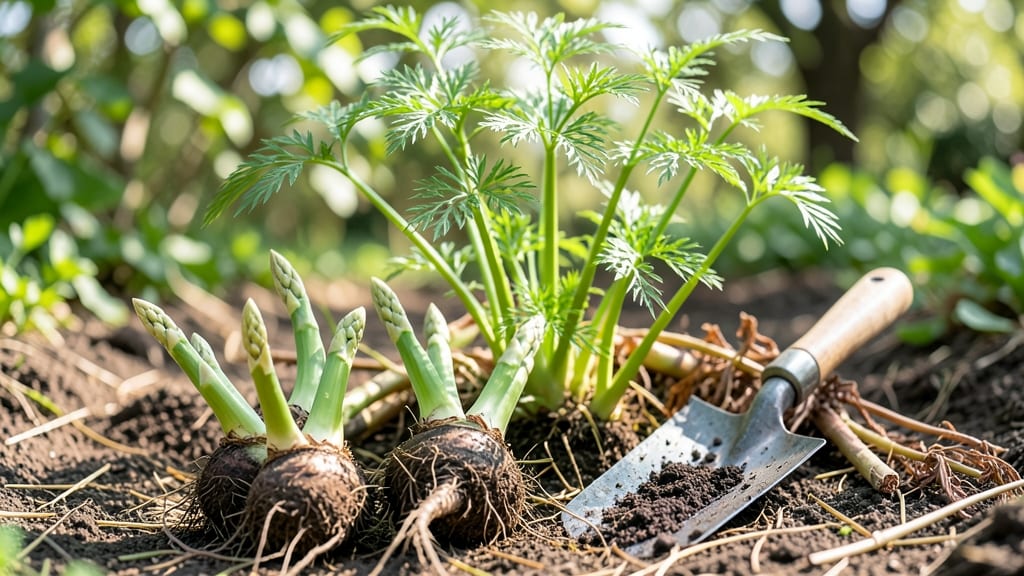
Planting asparagus in Michigan isn't just about timing—it's about setting up years of harvests with the right early spring window. If you miss the March to early April sweet spot, you could wait 3+ years before enjoying those tender spears.
The key lies in understanding your Zone 5b-6b climate and preparing soil that encourages deep root growth.
Unlike annual veggies, asparagus crowns need patience—plant them too late, and frost or heat stress can stunt their development before they even produce. But when you get it right, you’re looking at decades of low-maintenance harvests, with spears ready by late spring.
The secret? Starting with 1-year-old crowns in well-drained soil and protecting them from Michigan’s unpredictable weather shifts.
I’ve grown asparagus in Michigan for years, and the difference between a thriving patch and a struggling one often comes down to those first few weeks after planting. Whether you’re a first-time gardener or a seasoned pro, mastering the timing and soil prep will make all the difference.
Let’s break down exactly how to do it right.
From choosing cold-hardy varieties like ‘Mary Washington’ to spacing crowns 12–18 inches apart, every detail matters. You’ll also learn how to avoid common pitfalls—like over-fertilizing or harvesting too early—that can turn your 🌱 asparagus dream into a frustrating wait. Ready to grow your own spears without the guesswork?
Optimal planting timeline for asparagus in Michigan’s Zone 5b/6a climate
Michigan’s Zone 5b/6a climate demands precise timing for planting asparagus, as this cold-hardy perennial thrives when roots establish before summer heat. The ideal window is early spring—March to early April—when soil temperatures hover around 50–60°F but before the last frost (mid-April).
Planting too early risks frost damage, while late planting delays harvests by years.
Fall planting is possible but riskier in Michigan, limited to late August to early September when soil remains 60°F or warmer. Crowns need 6–8 weeks to root before winter dormancy.
I’ve had success with ‘Mary Washington’ crowns planted in September, but they require extra mulch (4–6 inches) to insulate roots.
Soil temperature is critical: Use a soil thermometer to confirm 50°F+ at 4-inch depth. In northern Michigan (Zone 5b), aim for late April planting, while southern Michigan (Zone 6a) can start as early as March.
Warmer microclimates near Lake Michigan may allow February planting in protected beds.
🌱 Asparagus Planting Timeline for Michigan
| Stage | Action | Notes |
|---|---|---|
| Soil Prep | Test pH (6.5–7.0), amend with compost | Fall or early spring |
| Spring Planting | Plant crowns March–April | Soil 50–60°F, no frost risk |
| Fall Planting | Plant crowns late Aug–early Sept | Mulch heavily (4–6") |
| First Harvest | Year 3 (June–July) | Wait 2–3 years for full yield |
| Peak Yield | Years 4–15+ | Perennial harvests for decades |
Michigan’s variable frost dates complicate timing. Check your last frost date (average May 10–20 in most areas) and plant 4–6 weeks before to avoid root shock.
I’ve seen Jersey Knight crowns planted in late March thrive in southern Michigan, while northern gardens benefit from April planting to extend the growing window.
For early harvests, prioritize spring planting and use black plastic mulch to warm soil 2–3 weeks earlier. Remove mulch after spears emerge to prevent overheating. In containers, plant 1–2 weeks later—they warm up slower and risk root rot in cold, wet soil.
Frost-sensitive ‘Purple Passion’ varieties need extra protection if planted in late April. Cover beds with row fabric if a late frost is forecasted. I’ve lost entire beds to blackened crowns when frost hit 2 weeks post-planting—always monitor extended forecasts.
Michigan’s short growing season (average 150 frost-free days) means fall planting is only viable in Zone 6a. In Zone 5b, stick to spring or risk poor winter survival. If attempting fall planting, choose smaller crowns (1-year-old) for faster establishment.
Pro tip: Mark your planting date on a calendar and note spear emergence the following year. This helps adjust future timing. My ‘Mary Washington’ bed planted April 1, 2022, produced its first spears June 15, 2024—right on schedule.
Remember, asparagus is a long-term investment. Rushing planting timelines can delay harvests by 1–2 years. Patience pays off with decades of harvests—just ask any Michigan gardener with a thriving asparagus patch! 🌱
Optimal planting timeline for asparagus in Michigan’s Zone 5b/6a climate
Michigan’s Zone 5b/6a climate means asparagus must be planted at precise times to survive winter and thrive in short growing seasons. The best window is early spring—typically mid-March to early April—when soil temperatures reach 50°F (10°C) and the ground is workable.
Late fall planting (September to October) is possible but riskier due to frost heaves and uneven establishment.
For crown planting, aim for 4-6 weeks before the last frost date (usually mid-April in most of Michigan). This gives roots time to establish before summer heat arrives. Seed planting (less common) requires even earlier timing—late winter or early spring under greenhouse conditions for transplanting by April.
Here’s why timing matters: Asparagus crowns need 6-8 weeks to root before winter. Plant too late, and they’ll struggle to harden off. Too early, and frost damage or soil erosion can occur. Michigan’s variable weather makes this a delicate balance!
🌱 Asparagus Planting Timeline for Michigan
| Stage | Action | Notes |
|---|---|---|
| Early Spring (March) | Prepare soil (pH 6.5–7.5) | Amend with compost; avoid fresh manure. |
| Mid-March to Early April | Plant crowns 4–6" deep | Soil temp: 50°F+; space 12–18" apart. |
| Late Fall (Sept–Oct) | Plant crowns (riskier) | Mulch heavily; avoid frost heaves. |
| Year 1–2 | No harvest; let foliage grow | Roots need 2–3 years to mature. |
| Year 3+ | Harvest spears (June–July) | Stop harvesting by mid-summer. |
Michigan’s short growing season (only 150 frost-free days) demands cold-hardy varieties like ‘Mary Washington’ or ‘Jersey Knight’. These tolerate Zone 5b winters and bounce back quickly in spring. Soil drainage is critical—waterlogged roots spell disaster in Michigan’s clay-heavy soils.
Pro tip: Use black plastic mulch in early spring to warm soil faster. This can shave 1–2 weeks off your planting timeline, giving asparagus a head start. Just remove it before harvest to avoid contamination.
Remember, patience is key—asparagus takes 2–3 years to produce spears, but once established, it can yield for 15+ years. Plant correctly now, and you’ll reap rewards for decades! 🌱