
Plants
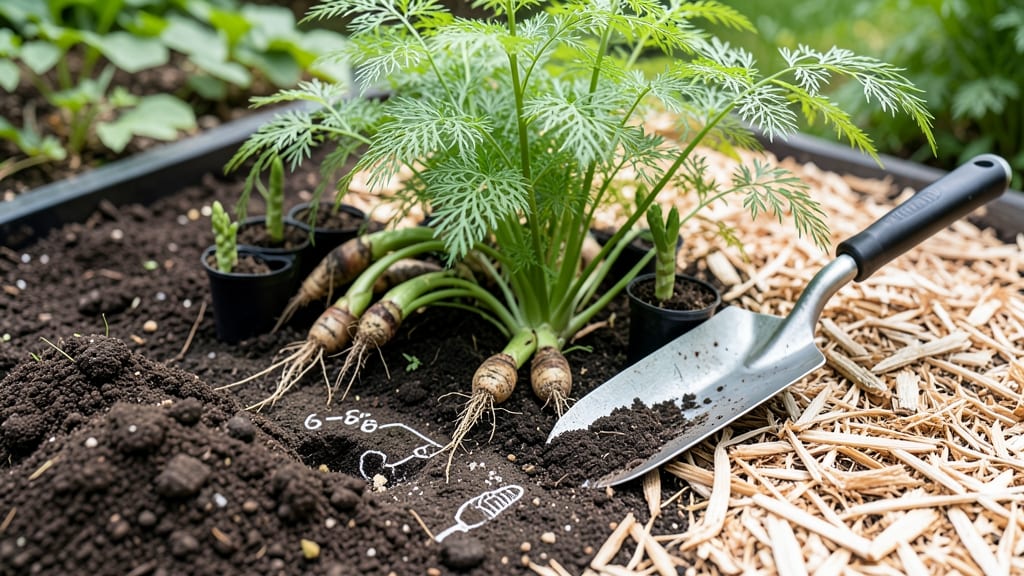
If you're a Zone 9 gardener dreaming of fresh, homegrown asparagus 🌱 but frustrated by when to plant asparagus in zone 9, timing is everything. Planting at the wrong time means years of just foliage before spears appear—and in our warm climate, getting it right unlocks harvests almost year-round.
Most gardeners assume spring is the only window, but Zone 9's mild winters actually give you two opportunities. The key is understanding how soil temperatures and microclimates (like coastal vs. inland areas) shift your ideal planting dates.
I'll show you exactly when to plant crowns for maximum yield, plus how to avoid the common mistake that kills Zone 9 asparagus harvests.
What you'll discover is how to work with our climate's advantages—no frost to worry about means you can plant earlier than northern gardeners. We'll cover the perfect months for both fall and spring plantings, plus variety selection that thrives in our heat.
Ready to grow spears that keep coming back for over a decade?
The best part? With these timing tricks, you could be harvesting your first spears within just 2 years instead of waiting the usual 3-4 years. Let's get your asparagus off to the right start in our unique growing conditions.
Optimal planting windows for asparagus in Zone 9 (with microclimate adjustments)
Zone 9’s warm winters and intense summers create a unique challenge for asparagus growers. Unlike colder climates, you won’t have frost to signal planting time—but soil temperature and microclimate become your guides.
The ideal window is late winter through early spring, when soil temps hover between 50–60°F and daytime highs stay below 80°F. This timing ensures roots establish before summer heat stress kicks in.
For coastal Zone 9 (e.g., Southern California), milder winters mean you can plant as early as January, while inland areas (e.g., Phoenix) should wait until February or March to avoid premature sprouting.
Even a 10°F difference in nighttime temps can shift your planting window by weeks—so check your local USDA Zone 9a vs. 9b distinctions.
Here’s the golden rule: Plant asparagus crowns (not seeds) in Zone 9, as they establish faster. Seeds take 2–3 years longer to produce spears—time you don’t have in our fast-growing climate. Crowns, however, can yield harvests in 2–3 years if planted correctly.
🌱
Zone 9 Asparagus Planting Timeline
| Stage | Action | Microclimate Notes |
|---|---|---|
| Soil Prep | Test pH (6.5–7.0), amend with compost | Coastal: Add sand for drainage; Inland: Mulch to retain moisture |
| Planting Window | Late Feb–Early Mar (Zone 9a/b) | Adjust 2 weeks earlier for coastal, later for desert |
| Depth | 8–12 inches deep, roots downward | Deeper in clay soil to avoid waterlogging |
| Spacing | 12–18" apart, rows 3–4' apart | Tighter spacing in containers (6" apart) |
| First Harvest | Year 2–3 (light harvests) | Stop harvesting by mid-June to recharge roots |
🌡️ Pro Tip: Use a soil thermometer—plant when temps are consistently 50–60°F for 5+ days.
Staggered plantings are your secret weapon in Zone 9. By installing half your crowns in February and the rest in early March, you extend the harvest window from March to June.
This works because the later-planted crowns mature just as the first batch starts to fatigue from summer heat. Think of it as a rolling harvest system—perfect for avoiding the June–August slump when spears turn woody.
Heat stress is the #1 enemy of Zone 9 asparagus. If you plant too early (e.g., December), crowns may sprout prematurely and bolt in the mild winter, wasting energy. Conversely, planting after mid-April risks summer dormancy, where roots go dormant to survive heat.
Aim for that sweet spot of cool soil + warming air—it’s the only way to break even in our climate.
For container growing, adjust timing by 2–3 weeks later than in-ground plantings. Pots heat up faster, and roots struggle to regulate temperature. Use black plastic mulch to keep soil 5°F cooler than ambient air temps, and water containers daily in summer to prevent root exposure.
💧
Remember: Asparagus is a perennial investment. In Zone 9, a single well-timed planting can yield spears for 10–15 years—but only if you respect the 3-year establishment rule.
First-year plants need zero harvests; second-year plants get light harvesting (5–10 spears per plant). By year three, you’ll have a full crop—if you’ve nailed the timing.
Optimal planting windows for asparagus in Zone 9 (with microclimate adjustments)
Zone 9’s year-round growing season gives you flexibility with asparagus, but timing matters—plant too early, and your crowns rot in winter heat; too late, and summer drought stunts growth.
The ideal window is late winter (February–March), when soil temps hover around 50–60°F and daytime highs stay mild (75°F or below). This aligns with asparagus’s cool-season needs while avoiding summer’s brutal heat.
For coastal Zone 9 (e.g., San Diego, Santa Barbara), you can push planting to January thanks to cooler ocean breezes. Inland areas (Phoenix, Las Vegas) should wait until March to escape the 100°F+ soil temps that bake young roots.
Test soil temps with a soil thermometer—aim for 55–65°F at planting depth (6–8 inches).
| Timing Factor | Zone 9 Coastal | Zone 9 Inland |
|---|---|---|
| Best Planting Month | January–February | March |
| Soil Temp Goal | 50–60°F | 55–65°F |
| Daytime Highs | 65–75°F | 70–80°F |
| Avoid Planting After | March 15 | April 1 |
| Harvest Window | March–June | April–July |
Staggered plantings every 2–3 weeks in February–March extend your harvest by 4–6 weeks. For example, plant half your crowns in late February and the rest in early March.
This ensures spears emerge at different times, giving you a continuous supply from April through June. Just avoid planting after April 1—summer’s heat will stress young plants.
If you miss the spring window, fall planting is possible in Zone 9’s cooler inland areas (e.g., Flagstaff, AZ). Aim for September–October when soil temps drop below 75°F.
Coastal areas are too warm year-round for fall success. Always mulch heavily (4–6 inches of straw) to retain moisture and regulate soil temps during summer’s peak.
Pro tip: Soak asparagus crowns in lukewarm water for 2 hours before planting to hydrate roots. This is especially critical in Zone 9’s dry winters, where soil can stay bone-dry until spring rains arrive.
Pair this with a drip irrigation system set to deliver 1–1.5 inches of water weekly until plants establish (about 6–8 weeks).
Remember, asparagus is a perennial investment—it takes 2–3 years to reach full production. But with the right timing, your Zone 9 garden can deliver year-round harvests for 10–15 years with minimal effort. The key? Plant early, mulch well, and never skip the soil temp check.