Plants
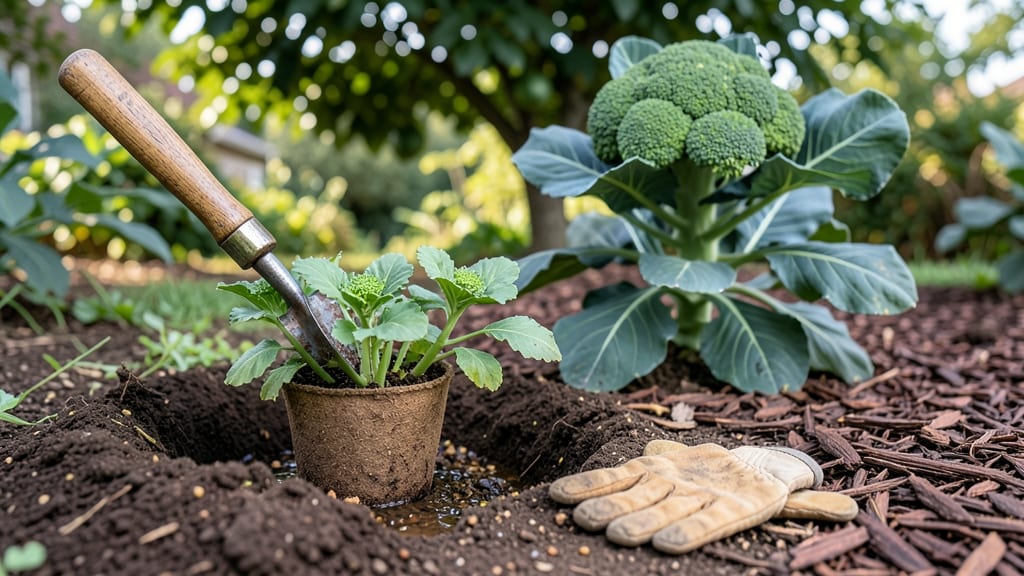
Timing is everything when you’re learning when to plant broccoli in North Carolina—get it wrong, and you’ll end up with bitter, bolted heads instead of crisp, flavorful harvests.
The key to success lies in understanding your region’s unique climate, whether you’re in the Piedmont’s cooler valleys or the Coastal Plain’s warmer lowlands.
Most gardeners in zones 7a-8b know spring and fall are the prime windows, but the exact timing depends on frost dates and soil temperatures. Plant too early, and cold snaps will stunt your seedlings; too late, and heat will send your broccoli into premature flowering.
I’ll break down the optimal months for each NC region so you can avoid common pitfalls.
You’ll also discover how to stretch your harvest season with succession planting and cold-hardy varieties, plus pro tips for container gardening if space is limited. By the end, you’ll know exactly when to pop those seeds in the ground—or transplant seedlings—for a bumper crop of homegrown broccoli 🥦.
The best part? These strategies work whether you’re a first-time gardener or a seasoned green thumb. Let’s dive into the perfect planting schedule for your North Carolina garden.
North Carolina broccoli planting calendar by region: avoid bolting and frost
North Carolina’s three distinct climate zones—Coastal Plain, Piedmont, and Mountains—each demand different broccoli planting strategies. The Coastal Plain’s warmer winters allow earlier starts, while Mountain regions face shorter growing seasons. Timing is everything to avoid heat-induced bolting or frost damage.
Broccoli thrives in cool weather (55°F–75°F), making spring and fall the ideal planting windows. In NC, this translates to February–March for spring and August–September for fall. Miss these windows, and you risk stunted growth or bitter-tasting heads.
Use your average last frost date (March 15 for most of NC) as your anchor. For spring planting, sow seeds 4–6 weeks before this date. For fall harvests, aim to plant 80–90 days before the first frost (typically mid-November).
For Coastal Plain gardeners, start seeds indoors in January for early transplants. The Piedmont’s moderate climate lets you direct-sow in February, while Mountain growers should wait until March to avoid frost. Always choose cold-tolerant varieties like 'De Cicco' for fall plantings.
Soil preparation is critical. Amend beds with compost and aged manure to ensure fertile, well-draining soil. Broccoli hates soggy roots, so raise beds in humid Coastal Plain areas. Test your soil’s pH (6.0–7.0)—broccoli cravs slightly acidic conditions.
After transplanting, mulch with straw or shredded leaves to retain moisture and suppress weeds. This is especially important in dry Piedmont summers, where broccoli can bolt from heat stress. Keep mulch 2–3 inches thick but avoid direct contact with stems.
Monitor your plants for early signs of bolting: elongated stems or yellowing leaves. If temperatures rise above 80°F, provide afternoon shade with shade cloth. In Mountain regions, use row covers to extend fall harvests past the first frost.
Harvest time arrives 70–90 days after planting, depending on the variety. In Coastal NC, expect May–June harvests for spring plantings and October–November for fall crops. Cut heads when they’re tight and dark green—don’t wait for them to flower!
For year-round success, stagger plantings every 2–3 weeks in spring and fall. This succession planting ensures a steady supply. Save seeds from your healthiest heads for next year’s garden—just let a few plants bolt and dry completely.
How to extend broccoli season in NC: succession planting and cold-hardy varieties
North Carolina’s variable climate means broccoli can thrive year-round with the right strategies. Succession planting and choosing cold-hardy varieties are your secret weapons against bolting and frost. By staggering plantings every 2-3 weeks, you’ll enjoy a continuous harvest from spring through fall.
This approach also spreads out your risk if one batch fails due to heat or pests.
For fall harvests, start seeds indoors in July or transplant seedlings in late August. Use row covers or low tunnels to protect plants from early frosts.
In the Coastal Plain, where winters are milder, you might even squeeze in a winter harvest with heavy mulching and cold frames.
🌱
If you’re growing broccoli in containers, opt for dwarf varieties like 'Green Goliath' or 'Packman'. These thrive in 5-gallon pots with well-draining soil and daily watering. Place containers in full sun and move them to partial shade during peak summer heat to prevent bolting.
For Piedmont and Mountain regions, where nights are cooler, focus on late summer plantings (August) for a fall harvest. Use black plastic mulch to warm soil and straw mulch to retain moisture.
In Coastal Plain areas, where humidity is higher, prioritize disease-resistant varieties like 'Waltham 29' and space plants 18-24 inches apart for airflow.
🌿
Protect your broccoli from heat stress by providing afternoon shade during summer months. A simple shade cloth (30-50%) can lower soil temperatures by 10-15°F, delaying bolting. Pair your broccoli with companion plants like bush beans or dill to improve yield and deter pests naturally.