
Plants
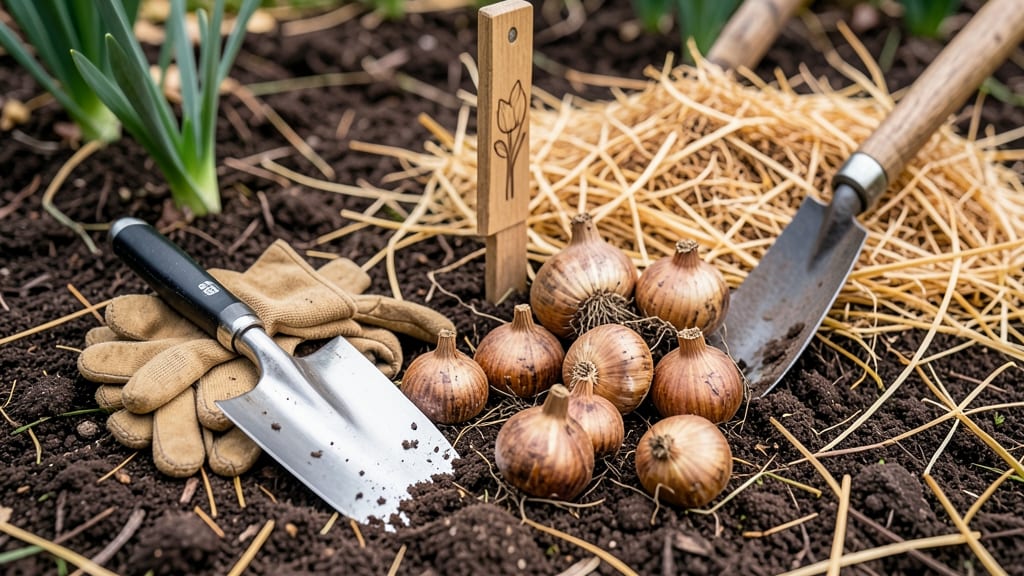
If you’ve ever wondered when to plant daffodil bulbs in Wisconsin, timing is everything—get it wrong, and you risk soggy soil or frozen bulbs before they root. Wisconsin’s 4a-6b zones demand precision, but the good news? Fall planting gives your 🌼 daffodils a head start on spring blooms.
Most gardeners swear by planting between September and October, when soil temps hover around 50–60°F—cool enough to deter rot but warm enough for roots to establish. Skip this window, and you might end up with bulbs that either rot in wet soil or freeze solid before winter.
Here’s the game-changer: plant 4–6 weeks before the ground freezes (usually mid-October in most of Wisconsin). This ensures your bulbs have time to grow roots but avoids the dreaded winter thaw-and-freeze cycle that can damage tender shoots.
Ready to dig in? I’ll walk you through soil prep, depth tricks, and how to outsmart Wisconsin’s fickle frost—so your 🌼 daffodils burst through the snow like clockwork next spring.
Wisconsin’s ideal daffodil planting window: months, soil temps, and frost risks
Wisconsin gardeners face a unique challenge with daffodil bulbs—plant too early, and cool, wet soils can cause rot; plant too late, and frost may kill the bulbs before they establish roots.
The ideal window is 6–8 weeks before the ground freezes, typically mid-September to mid-October across most of the state.
For USDA Zones 4a–5a (northern WI like Green Bay), aim for late September to early October. In Zones 5b–6b (southern WI like Madison), mid-October works best. Soil temperature is your best guide—wait until it drops to 50–60°F at 6-inch depth.
Use a soil thermometer to check—below 50°F risks frost damage, while above 60°F may encourage early sprouting. Frost dates vary: Milwaukee averages first frost on October 15, Madison on October 20, and Green Bay on October 5.
Pro Tip: Plant 4–6 weeks before your average first frost. For example, if frost hits October 10, plant by September 15. This gives bulbs time to root but avoids soggy soil from early rains.
If you miss the fall window, spring planting is possible but riskier. Plant as soon as soil thaws (March–April) in well-draining soil, but expect smaller blooms that year since bulbs need time to establish roots before summer heat.
Watch for early frosts—if nighttime temps drop below 32°F before bulbs root, cover them with straw or mulch. In Zone 4a, this is critical by mid-October. Use a frost calendar from your local Cooperative Extension office for precise dates.
For container gardening, plant 2–4 weeks earlier than in-ground bulbs since pots cool faster. Use well-draining potting mix and place containers in sheltered spots to delay frost exposure.
Daffodils thrive in Wisconsin’s climate because they’re hardy to Zone 3, but timing is everything. Aim for cool but dry soil—avoid planting after heavy rains, which can waterlog bulbs and cause rot. A drip irrigation system can help regulate moisture.
Once planted, mulch with 2–3 inches of straw or shredded leaves to insulate bulbs from freeze-thaw cycles. Remove mulch in early spring to allow sunlight to reach emerging foliage.
Step-by-step soil prep for Wisconsin gardens: drainage, amendments, and bulb placement
Wisconsin’s clay-heavy soils or sandy loam can make or break your daffodil success. The key is creating a well-draining, nutrient-rich bed that mimics their natural woodland habitats. Start by testing your soil’s drainage rate—if water pools after 6 hours, you’ve got work to do.
Most Wisconsin gardens benefit from organic amendments like compost or peat moss to improve structure and aeration.
Daffodils thrive when planted in 6–8 inches of loose soil. This depth prevents rot from soggy conditions while allowing roots to establish before winter. In heavy clay areas, consider planting in raised beds or mounding soil to create natural drainage.
For sandy soils, mix in 2–3 inches of compost to retain moisture without suffocating roots.