What changed, and what it changed for you
When I first started writing, this site was just a place to dump my notes on seed-starting. The posts were unstructured, the advice was inconsistent, and the tone swung between overly technical and vague.
I’d write about ‘ideal growing conditions’ without mentioning that my own soil was 6.8 pH and full of clay—so half the tips wouldn’t work for 90% of readers. The worst part? I didn’t even realize it was broken. To me, it was just ‘what I knew.’
Now, every post is built around three questions: *What does this plant really need to survive?* *What happens if you get it wrong?* *And how do you fix it when it does?* The soil tests, the light logs, the pest logs—all of it is here because I learned the hard way that skipping details isn’t helpful, it’s lazy.
You’ll still find the magic in watching a seed crack open, but now there’s a plan for when the magic fails.
| It used to be | Now it is |
|---|---|
| A list of ‘best practices’ copied from gardening forums | Step-by-step guides with my actual results—what worked, what didn’t, and why. |
| Stock photos of lush gardens with no context | Photos of my own garden, including the brown leaves, the fungal spots, and the one tomato plant that finally made it. |
| Advice that assumed perfect conditions (full sun, rich soil, no pests) | Notes on how to hack around real-world problems (shade gardening, poor soil fixes, organic pest control). |
| No mention of climate or zone—just ‘plant in spring’ | Every post starts with my hardiness zone (7a) and adjusts for local pests, weather quirks, and short growing seasons. |
The one that took years
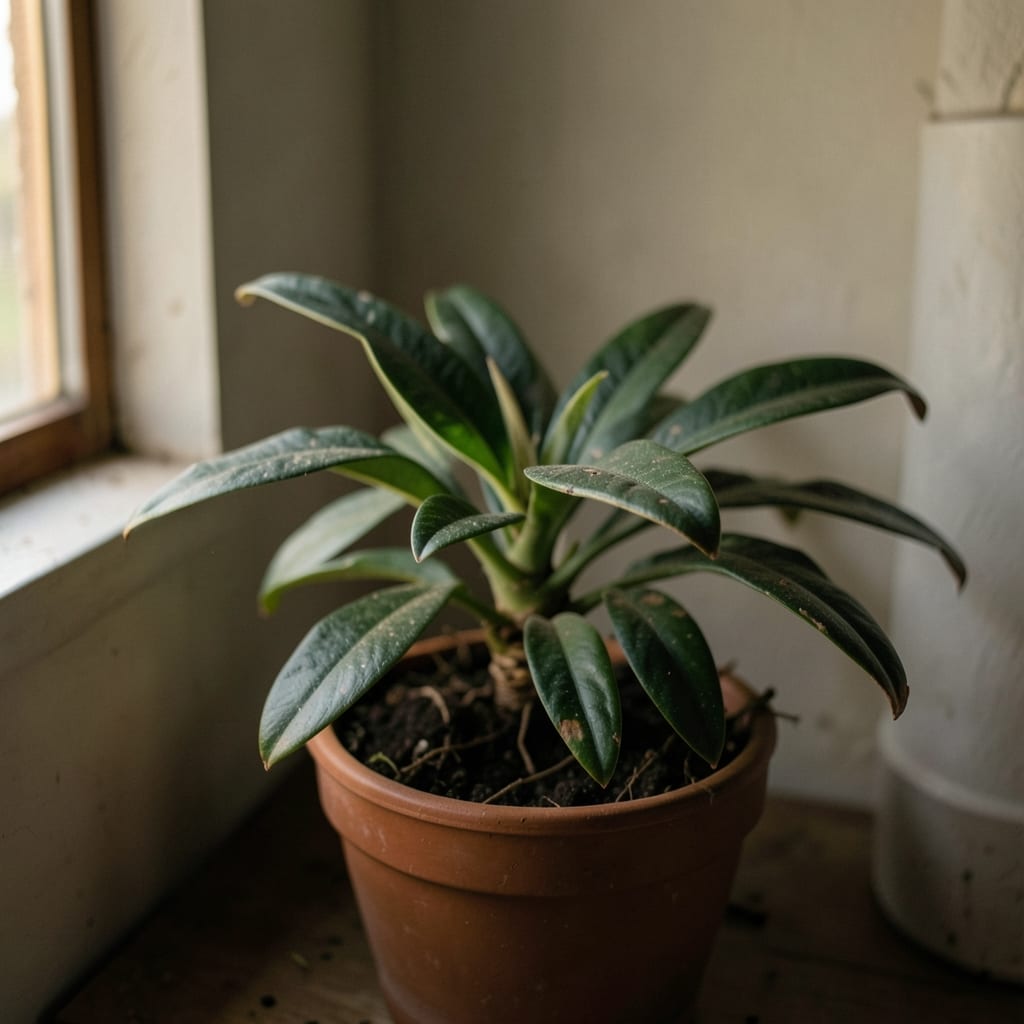
The biggest mistake? I spent three years writing about gardening without ever testing my own advice. I’d read a forum post about companion planting, then write a guide assuming it would work in my backyard. Spoiler: it didn’t.
My basil and tomatoes kept wilting together, my marigolds attracted more pests than they repelled, and my ‘perfect’ compost pile smelled like rot. The problem wasn’t the advice—it was that I’d never tried it myself. I’d just assumed the rules were universal.
It took a failed $80 raised-bed experiment to wake me up. I’d ordered ‘premium’ soil mix, followed the instructions to a T, and still ended up with seedlings that toppled over before they sprouted. That’s when I started keeping a garden journal—not just notes, but *data*.
Soil pH tests, light hours logged, pest counts tracked. I realized I wasn’t writing about gardening; I was writing about *my* gardening, and that was a different thing entirely.
Fixing it cost time, money, and a few dead plants. I had to retest every ‘tip’ I’d ever written, adjust for my actual conditions, and rewrite half the site. Some posts got deleted. Others got split into two.
But now, when you read about ‘ideal sunlight,’ you also get the workaround for my shady east-facing windows. When I say ‘water deeply,’ I mean *how deeply*—because my clay soil drains like a sieve. The trade-off?
Every piece of advice is now either proven or labeled as ‘experimental.’ And that’s worth the cost.
Meet the author
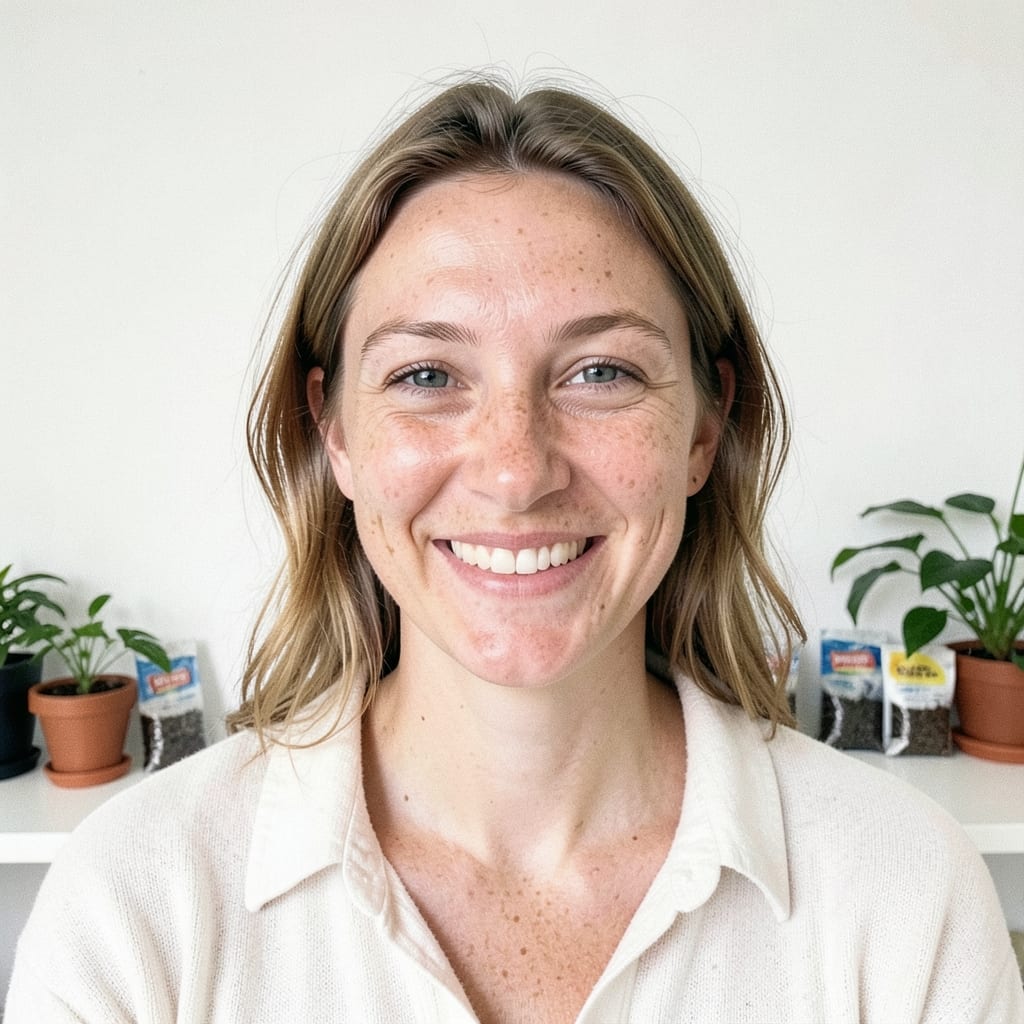
I grew up digging sunflower seeds into my grandmother’s backyard with a plastic trowel, convinced that if I pressed hard enough, they’d grow twice as fast. They didn’t.
What *did* happen was that I spent summers tracking every inch of growth, measuring stems with a ruler, and arguing with my mom about whether ‘enough water’ meant every day or every other. The real lesson? Gardening isn’t about following rules—it’s about learning which ones to break.
By 14, I was cross-pollinating tomatoes ‘for fun’ and failing spectacularly. By 18, I’d burned through three starter gardens because I couldn’t resist planting *everything* at once.
For years, I wrote about gardening the way I’d been taught: with lists of ‘do’s and ‘don’ts’ that ignored the fact that soil, climate, and even neighborhood pests vary. I’d read a blog post about ‘perfect compost’ and assume it applied everywhere.
I’d see a photo of thriving herbs and think, *If I just try harder…* What I didn’t realize was that ‘trying harder’ meant nothing if you didn’t know *why* the herbs were thriving in the first place.
What changed is that I stopped pretending I had all the answers.
Now, I write here as Bridget Abernathy, the same wide-eyed gardener who still gets excited over a single pea pod or a basil leaf that didn’t turn yellow.
But the difference is that I test everything before I write about it—so when you read ‘plant marigolds near tomatoes,’ you also get the caveat: *unless you live in a humid zone, where they’ll just attract slugs.* The site isn’t about perfection; it’s about the mess, the fixes, and the quiet joy of watching something grow—even when it takes longer than the guide says.
What did not change
The core belief is still the same: gardening should be for people who don’t have time to memorize PhD-level botany. You shouldn’t need a degree to grow herbs on your windowsill or tomatoes in a pot.
The ‘rules’ I write about aren’t sacred—they’re starting points, and the goal is always to adapt them to *your* space, not mine.
The tone hasn’t changed either. This is still a place for the kid who dug sunflowers too deep and the adult who’s now trying to save their overwatered ferns. The failures are here because they’re part of the story. And the success?
That’s the reward for showing up, even when the soil’s too wet or the light’s too dim.
What is still being fixed
Right now, I’m working on two things: a ‘troubleshooting hub’ that lets you search by symptom (yellow leaves, stunted growth, etc.) instead of by plant, and a section on ‘gardening with limited space’—because not everyone has a backyard, and not everyone’s balcony gets six hours of sun.
If you’ve got ideas for what’s missing, or a tip that saved your garden, the contact page is where to send it.
And if you’re still reading? Thank you. The best part of this site isn’t the guides—it’s the people who write in to say, *‘Your note about overwatering fixed my ferns’* or *‘I finally got my tomatoes to fruit because of your light-log trick.’* Keep growing, even when it’s messy.
Things that would help
- A symptom-based troubleshooter (e.g., ‘my leaves are curling—what’s wrong?’) with quick fixes.
- More ‘hack’ posts for small spaces (e.g., growing herbs in egg cartons, vertical gardening with limited sunlight).
- Your own tip that saved your garden—especially if it’s something you’ve never seen written down.
The guides are grouped by category: Advice, Aphids, Blooming, Companion Plants, Container Gardens and Diseases.