
Plants
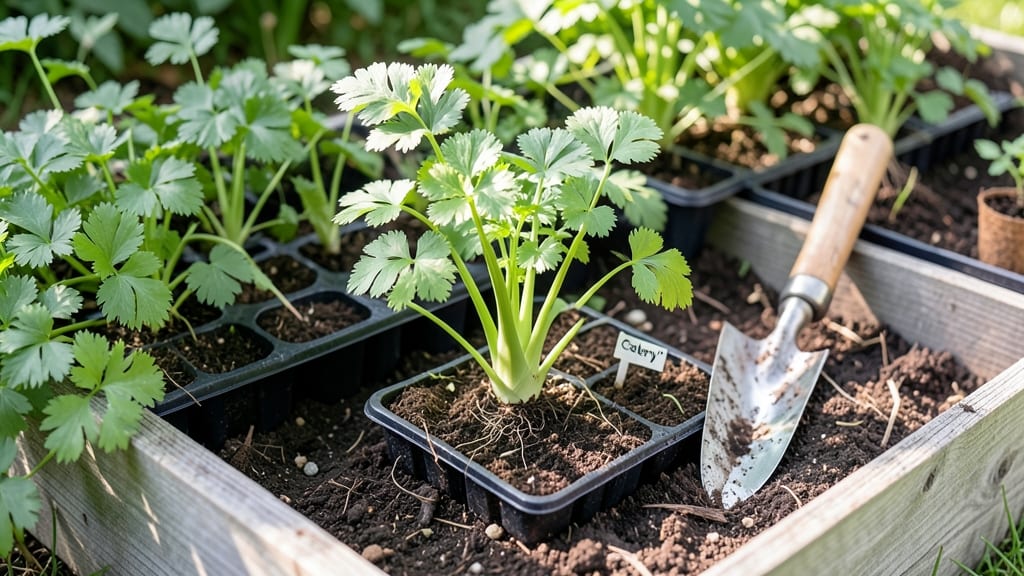
Optimal Louisiana celery planting dates to prevent bolting
Louisiana’s warm winters and long growing season give you two prime windows to grow crisp, homegrown celery: spring and fall. But timing is critical—plant too early, and you’ll face bolting (premature flowering) from heat stress.
Too late, and frost ruins your harvest. Let’s break down the perfect planting schedule for your region.
Celery thrives when soil temps stay between 50–60°F—ideal for seed germination and early growth. In Louisiana’s USDA Zones 8a–9b, this means avoiding the dog days of summer (June–August) and the freeze-prone winter months (December–February).
Your goal? Start seeds or transplants when daytime highs hover around 75–80°F but nights cool to 60°F or lower.
Here’s the golden rule: Never plant celery when daytime temps exceed 85°F. Heat triggers bolting, turning your crisp stalks into bitter, seed-filled stalks. Louisiana’s humidity also increases fungal risks, so spacing and airflow matter just as much as timing.
| Planting Window | Soil Temp | Daytime Temp | Key Risk | Louisiana Notes |
|---|---|---|---|---|
| Late February–Early March | 50–60°F | 65–75°F | Frost damage | North LA (Shreveport): Wait until March 15. South LA (New Orleans): Late Feb is safe. |
| August–September | 60–70°F | 75–85°F | Bolting from heat | Use shade cloth if temps exceed 85°F. Mulch to retain moisture. |
| Mid-October (transplants) | 55–65°F | 70–80°F | Slow growth | Best for late harvests. Use row covers for extra warmth. |
For spring plantings, aim to transplant celery 4–6 weeks before your last frost date (typically February 15 in most of Louisiana). If you’re in New Orleans or south, you can push it to mid-February.
In north Louisiana (Shreveport, Monroe), wait until March 1 to avoid late frosts. Start seeds indoors 10–12 weeks before transplanting—this gives you a head start on the 120–150-day growing season celery needs.
Fall is your best bet for zero-bolt celery in Louisiana. Sow seeds directly in the garden in late August (for a November harvest) or transplant early September (for a December harvest). The key? Cool nights and warm days—this sweet spot prevents bolting while ensuring maturity before frost.
If you’re in Zone 9b (south LA), you can even squeeze in a late October planting for a January harvest.
Pro tip: Use shade cloth (30–50%) during peak summer heat (June–July) if you must plant early. This buys you 2–3 weeks before bolting kicks in. Pair it with daily watering to keep soil moist—celery hates drought stress, which also triggers premature flowering.
Bolting isn’t just about heat—it’s also tied to day length. In Louisiana, celery may bolt if exposed to more than 14 hours of daylight. This is why fall plantings (shorter days) are safer than spring.
If you’re growing in containers, move them to a shadier spot in late summer to delay bolting.
One more Louisiana-specific hack: Mulch heavily with straw or pine needles to keep soil temps stable. This prevents the temperature swings that stress celery roots and trigger bolting. And always choose slow-bolting varieties like ‘Tall Utah’ or ‘Primo’—they’re bred to handle humidity better than standard types.
Ready to plant? Mark your calendar for February 20–March 1 (spring) and August 20–September 15 (fall). These dates give you the best shot at crisp, bolt-free celery—no matter where you are in the state.
Optimal Louisiana celery planting dates to prevent bolting
Louisiana’s warm winters and long growing season create a tricky balance for growing celery. Planting too early risks frost damage, while planting too late triggers bolting (premature flowering).
The sweet spot? Soil temperatures between 50-60°F—just right for steady growth without stress. Let’s break down the perfect windows for your region’s microclimates.
For spring plantings, aim for late February to early March in North Louisiana (like Shreveport) and mid-March in South Louisiana (like New Orleans). These dates align with last frost averages (February 15) while avoiding the heat spikes of April that trigger bolting.
Transplant seedlings when nighttime temps stay above 55°F consistently.
| Planting Window | Soil Temp | Heat Risk | Bolting Risk |
|---|---|---|---|
| Late Feb - Early Mar (North LA) | 50-55°F | Low | Low (if protected) |
| Mid-Mar (South LA) | 55-60°F | Moderate | Moderate |
| Aug - Early Sep (Fall) | 70-75°F | High | Low (with shade) |
Fall plantings offer a second chance for crisp celery with less bolting risk. Start seeds August 1-15 for transplants by September 1. This timing lets plants mature before first frost (December 1) while avoiding the brutal summer heat. Use shade cloth (30-50%) during peak afternoon sun to prevent wilting.
Pro tip: Monitor your local USDA Zone 8a-9b microclimates. Coastal areas like Grand Isle stay warmer longer, while inland regions near Alexandria cool faster. Adjust your planting dates 1-2 weeks earlier if you’re in a cooler pocket. Always check the Louisiana AgCenter’s frost maps for real-time updates.
For extended harvests, try a succession planting trick: Sow a second batch of seeds 4-6 weeks after your initial planting. This staggered approach ensures a steady supply of celery from May through December—just in time for holiday meals!
Mulch heavily with straw or pine needles to regulate soil temps and retain moisture.
Remember, celery hates heat stress. If temps climb above 85°F for more than a week, your plants will bolt or develop bitter flavors. Prioritize morning watering and afternoon shade to keep them happy through Louisiana’s sweltering summers.