
Planting
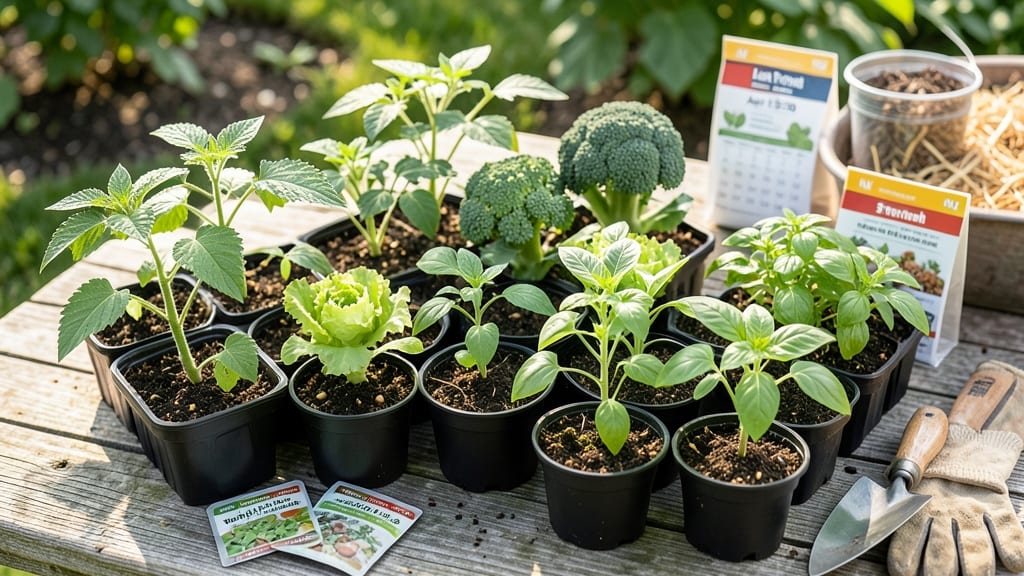
Knowing when to plant a vegetable garden in NJ can mean the difference between a thriving 🥬 harvest and a sad, frost-killed disappointment. New Jersey’s unpredictable spring weather makes timing everything—get it wrong, and your tomatoes might never ripen, or your lettuce could bolt before you even taste it.
Most gardeners in zones 6a-7b swear by planting cool-season crops like spinach and peas as early as late March, while warm-season favorites (think peppers and cucumbers) need to wait until after the last frost—usually around mid-April.
But here’s the catch: rushing too soon can leave your plants vulnerable to late frosts, while waiting too long might shorten your growing season.
I’ve learned the hard way that the key to NJ gardening success isn’t just following a calendar—it’s reading the signs. Soil temperature, microclimates (urban vs. rural), and even your yard’s exposure play huge roles.
Let me show you exactly how to time your plantings for zero frost risk and a garden that keeps giving all season.
Whether you’re a first-timer or a veteran gardener, these proven strategies will help you avoid common pitfalls and maximize your harvest. Ready to dig in?
NJ’s frost-free planting calendar: exact dates for spring vegetables by hardiness zone
New Jersey’s USDA hardiness zones 6a-7b mean your planting timeline depends heavily on whether you’re in North Jersey (cooler) or South Jersey (warmer). The average last frost date hovers around April 15, but microclimates—like urban areas or coastal spots—can shift this by 1-2 weeks.
For example, Trenton’s last frost often arrives 2 weeks earlier than Newark’s, while Cape May may see frost-free soil by March 25. Always verify your local frost-free window using the NJ State Climatologist’s data or a frost calendar app.
Warm-season crops like tomatoes, peppers, and cucumbers demand soil temperatures above 60°F—a threshold North Jersey typically hits by mid-May, while South Jersey may reach it by early April. Transplant these heat-lovers 2-3 weeks after your last frost, or risk stunted growth from cool soil stress.
For instance, if your last frost is April 20, wait until May 5 to plant tomato seedlings.
Cold-hardy greens—spinach, kale, and lettuce—thrive when planted 4-6 weeks before your last frost. In North Jersey (zone 6a), this means late March sowings, while South Jersey (zone 7b) gardeners can start as early as February.
Use row covers or a mini greenhouse to protect seedlings from late frosts, which can still hit in May.
Urban gardeners in Jersey City or Newark often face earlier frosts due to heat island effect at night, while rural areas like Lambertville may enjoy longer frost-free seasons. Adjust your timeline by 1 week later if you’re in a city microclimate or 1 week earlier in protected valleys.
| Vegetable | Planting Window | Soil Temp | Notes |
|---|---|---|---|
| Tomatoes | May 1–15 (NJ) | 60°F+ | Use row covers for early starts |
| Peppers | May 15–30 | 65°F+ | Slow to germinate; start indoors |
| Spinach | March 15–April 15 | 40°F+ | Bolt-resistant varieties for heat |
| Cucumbers | May 10–June 1 | 60°F+ | Trellis for space-saving |
| Lettuce | March 1–May 15 | 45°F+ | Succession plant every 2 weeks |
Test your soil temperature with a soil thermometer before planting warm-season crops. If readings dip below 55°F, delay planting or use black plastic mulch to warm the soil 5-10°F faster.
For North Jersey gardeners, this might mean waiting until June 1 for eggplants, while South Jersey can plant by May 20.
Extend your spring harvest by planting fast-maturing varieties like bush beans (50 days) or radishes (25 days) as soon as soil is workable (45°F). These cool-season crops can handle light frosts and give you early edibles before warm-season plants take over.
Pro tip: Use NJ Agricultural Experiment Station’s frost data to fine-tune your timeline
Fall planting secrets: how to grow a second harvest before NJ’s first frost
Fall planting in New Jersey isn’t just about extending your harvest—it’s about working with the season’s cooler temperatures to grow vegetables that thrive when summer’s heat fades.
Unlike spring, where you race against frost, fall gives you a second chance to grow leafy greens, root vegetables, and cool-season crops like broccoli and carrots without the stress of scorching sun.
Timing is everything in fall gardening. The key is to plant 4-6 weeks before your local first frost date—typically between late August and mid-September in NJ. This window ensures your crops mature before winter sets in.
For example, spinach and kale can handle light frosts, while radishes and green onions grow quickly enough to harvest before the cold arrives.
🔹 Pro Tip: Use NJ’s historical first frost dates as a guide, but adjust for your microclimate. Urban areas like Newark may frost earlier than rural spots in Salem County. Check local weather stations or use the National Weather Service’s frost maps for precision.
🌱 Fall Planting Timeline for NJ
- Late August: Start with fast-growing crops like radishes, lettuce, and bush beans. These mature in 30-45 days and can handle cooler temps.
- Early September: Plant broccoli, cauliflower, and carrots. These need 60-80 days to mature, so aim for a first frost after October 15.
- Mid-September: Sow spinach, kale, and garlic for a late fall/winter harvest. These crops often taste sweeter after frost!
- Late September: Direct-sow cover crops like clover or winter rye to protect soil and improve next year’s garden.
💡 Why it works: Cooler fall temps reduce pest pressure and disease risk compared to summer.
Don’t overlook soil preparation—fall gardens thrive in well-draining, nutrient-rich soil. Before planting, amend your beds with compost or aged manure to replenish nutrients lost during summer. A soil test can reveal if your garden needs phosphorus for roots or nitrogen for leafy greens.
For small spaces or balconies, container gardening is a game-changer. Use 5-gallon pots for lettuce, herbs, and radishes, and place them in south-facing spots to maximize sunlight. Just remember: containers dry out faster, so water consistently—especially in windy fall afternoons.
Extend your harvest even longer with row covers or cold frames. These simple tools can push your growing season by 2-4 weeks, letting you enjoy fresh arugula or bok choy well into November. Just remove covers during the day to prevent overheating.
🌿 Final Tip: Keep a planting journal to track what works in your fall garden. Note which varieties mature fastest and which struggle with your local microclimate. Next year, you’ll be a fall-planting pro!