
Plants
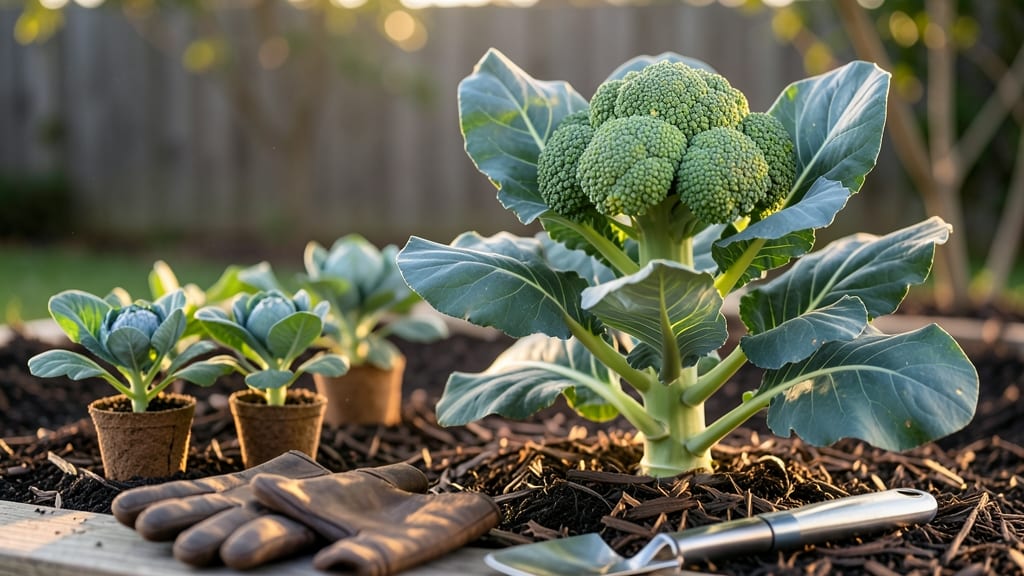
Timing your broccoli 🥦 planting in Washington State isn’t just about the calendar—it’s about beating the climate’s unpredictable swings. Plant too early, and you’ll watch your crop bolt before you even taste those first harvests. But get it right, and you’ll enjoy crisp, flavorful heads from summer through fall.
Washington’s diverse regions—from the rainy Puget Sound to the drier Eastern WA—demand different strategies. What works in Zone 7 Seattle might fail in Zone 5 Spokane, and ignoring these microclimates can mean wasted seeds or bitter disappointment.
I’ll break down the exact windows to plant for foolproof results, whether you’re a first-time gardener or a seasoned green thumb.
Spring planting is your best bet for summer harvests, but fall crops can extend your season well into winter. The key? Understanding soil temps, frost dates, and which varieties thrive in Washington’s cool, wet conditions.
Skip the guesswork—these proven timing tips will help you grow broccoli that’s sweeter, healthier, and more abundant than you’ve ever imagined.
Ready to ditch the trial-and-error? Let’s dive into the perfect planting schedule for your region, plus pro tips to keep your broccoli happy from seed to harvest. Your garden’s about to get a whole lot easier—and a whole lot tastier.
Optimal broccoli planting dates in Washington State by region
Washington State’s diverse climate means broccoli planting times vary dramatically between Western WA’s maritime zones and Eastern WA’s dry inland areas. In the Puget Sound region, cool summers and mild winters create a longer growing season, while Eastern WA’s hotter summers demand earlier starts.
Let’s break down the exact windows for spring and fall planting by region.
For spring planting, aim to sow seeds 4-6 weeks before your last frost date. In most of Western WA (USDA Zones 7-9), this means late March to early April.
Eastern WA (Zones 4-7) should start 2-3 weeks earlier—around mid-to-late March—to account for faster soil warming. Transplant seedlings 2-3 weeks later, once soil temperatures hit 45°F (7°C).
Fall planting offers a second harvest opportunity and is ideal for Washington’s climate. In Western WA, sow seeds August 1–15 for a winter harvest. Eastern WA’s shorter growing season requires starting July 15–30.
These late-season plants thrive with cool nights and mild days, producing sweeter, less bitter broccoli.
🌱
📋 Washington Broccoli Planting Guide by Region
| Region | Spring Planting Window | Fall Planting Window | Last Frost Date | Key Variety |
|---|---|---|---|---|
| Puget Sound (Seattle, Olympia) | Late March–Early April (transplant April–May) | August 1–15 | Mid-May | Waltham 29 |
| Western WA (Bellingham, Tacoma) | Early April–Mid-April | July 31–August 10 | Late April–Early May | De Cicco |
| Eastern WA (Spokane, Wenatchee) | Mid-March–Late March | July 15–30 | Early May | Calabrese |
| Cascade Mountains (Leavenworth, Snoqualmie) | Late April–Early May | August 15–September 1 | Late May–Early June | Green Magic |
💡 Pro Tip: Adjust planting dates 1-2 weeks earlier for high-altitude areas (above 2,000 ft) due to cooler soils.
Microclimates within Washington can shift planting windows by 2-3 weeks. Urban areas like Seattle stay cooler longer, while rural farms in Eastern WA may experience soil warming 10°F faster than nearby towns. Use a soil thermometer to confirm 45°F (7°C) before transplanting seedlings—this prevents stunted growth.
For container gardening in Western WA, start seeds indoors 6-8 weeks before last frost (by February 15) and move pots outside after May 1. Containers warm up faster, so monitor root health closely—broccoli hates root-bound stress.
🌿
Washington’s fall broccoli often outperforms spring crops because cooler nights slow bolting. However, late frosts in April can still damage young plants. Use row covers or cold frames if your area experiences unpredictable spring weather. Varieties like ‘Belstar’ tolerate light frosts and are perfect for extended harvests.
Test your soil’s pH (6.0–7.0) before planting—Washington’s acidic soils (common in Western WA) can stunt broccoli growth. Amend with lime or compost if needed, and avoid fresh manure, which can cause bolting. A well-draining, fertile bed is non-negotiable for zero-bolt success.
Optimal broccoli planting dates in Washington State by region
Washington State’s diverse climate means your broccoli planting dates should vary based on whether you’re in Western WA’s maritime zone or Eastern WA’s drier interior. In the Puget Sound region, cooler temperatures allow earlier spring planting, while inland areas like Spokane need to wait for warmer soil.
Let’s break down the ideal planting windows for both spring and fall harvests.
For spring planting, aim to sow seeds 4-6 weeks before your last frost date. In Western WA (USDA Zones 7-9), this typically means mid-March to early April.
In Eastern WA (Zones 5-7), wait until late April to early May when soil temperatures consistently reach 40°F (4°C). Transplant seedlings 2-3 weeks later for optimal growth.
Fall planting is equally critical for a winter harvest. In Western WA, sow seeds between August 15 and September 15 to ensure maturity before first frost.
Eastern WA gardeners should plant by September 1 to avoid early cold snaps. Choose cold-hardy varieties like ‘De Cicco’ or ‘Waltham 29’ for extended harvests.
Microclimates matter! Urban areas like Seattle or Tacoma may experience heat islands, requiring shade cloth during summer. Rural areas with cooler nights can plant slightly earlier. Always check your local frost dates—the WA State University Extension provides free frost calendars tailored to your ZIP code.
Pro tip: Use row covers in early spring to protect seedlings from late frosts (common in April). This extends your planting window by 2-3 weeks without risking damage. For container growers, start seeds indoors 6-8 weeks before transplanting to align with outdoor planting dates.
Timing isn’t just about dates—it’s about soil temperature. Use a soil thermometer to confirm 40°F (4°C) for seeds or 50°F (10°C) for transplants. This small step prevents poor germination or stunted growth, ensuring your broccoli heads stay plump and flavorful.