
Plants
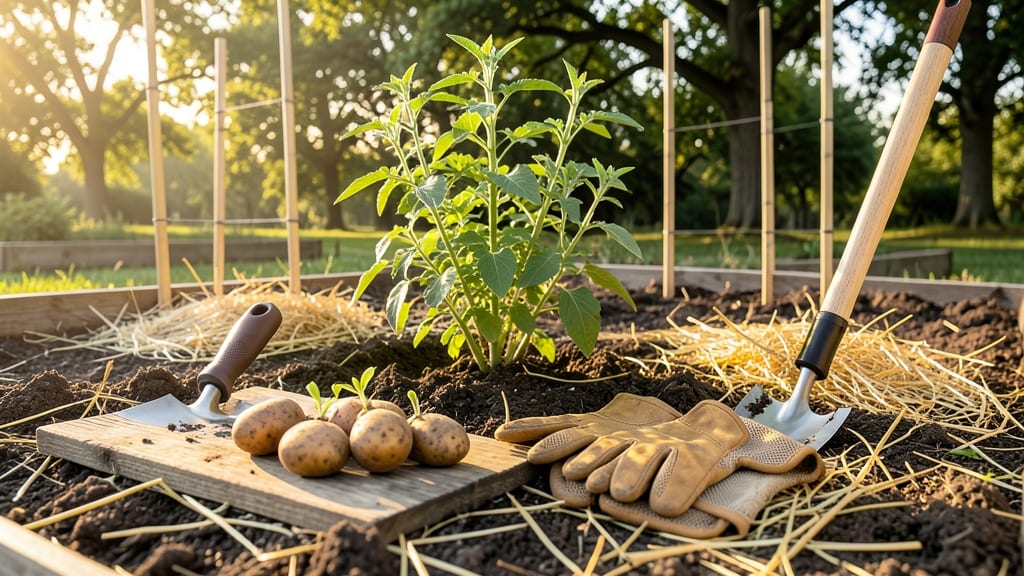
Planting potatoes in Indiana at the wrong time can mean the difference between a bountiful harvest of crisp, golden spuds and a sad, frost-nipped failure. With Indiana’s USDA Zone 6a climate and unpredictable spring frosts, timing is everything—especially when your 🥔 crop depends on it.
Most gardeners swear by early spring planting, but did you know late winter options exist too? The key lies in understanding your last frost date (around April 15 in most of Indiana) and soil temperatures—waiting until the ground reaches 45°F ensures strong, healthy starts.
Whether you're growing early Yukon Golds or late-season Kennebecs, getting this right means fewer losses and more potatoes for your table.
I’ll break down the best months to plant, how to prepare your soil, and which varieties thrive in Indiana’s climate. No more guessing—just proven strategies to maximize your harvest from July through August. Let’s get those spuds in the ground the right way.
Ready to turn your garden into a potato powerhouse? The clock is ticking—spring won’t wait, and neither should you. Here’s exactly when and how to plant for zero-frost success in Indiana.
Indiana potato planting calendar: best months by frost zone and variety type
Indiana’s USDA Zones 5-6 create a unique challenge for potato growers, where last frost dates can vary by 1-2 weeks across the state. The average last frost date falls around April 15, but northern Indiana (Zone 5) often sees frost lingering until May 1.
Timing your planting correctly means the difference between a bountiful harvest and frost-bitten tubers.
For zero-frost success, I focus on three key factors: soil temperature (must reach 45°F/7°C), variety maturity, and microclimate risks. Early varieties like ‘Red Pontiac’ can handle cooler soils, while late varieties like ‘Kennebec’ need warmer conditions to thrive.
Let’s break down the ideal planting windows for each category.
🌱 Key Insight: Indiana’s frost-free season spans 165 days, giving us a 5-month growing window for potatoes. This means we can plant early varieties in late March and late varieties in mid-April without risking frost damage.
| Variety Type | Planting Window | Days to Maturity | Soil Temp Requirement | Frost Risk Level |
|---|---|---|---|---|
| Early Varieties | Late March - Early April | 60-90 days | 40-45°F (4-7°C) | Low (harvest before frost) |
| Mid-Season Varieties | Mid-April - Early May | 90-110 days | 45-50°F (7-10°C) | Moderate (harvest before first frost) |
| Late Varieties | Late April - Early May | 110-120 days | 50-55°F (10-13°C) | High (requires row covers) |
| Extended Season | Early April (with covers) | 90-120 days | 45°F+ (7°C+) | Low (protected planting) |
For early varieties, I plant as soon as the soil is workable (usually late March), even if it’s still chilly.
These potatoes mature quickly—60-90 days—so they avoid frost entirely. ‘Red Norland’ and ‘Yukon Gold’ are my go-to choices for this window because they tolerate cooler soils better than other varieties.
Mid-season varieties like ‘Kennebec’ and ‘Russet’ need warmer soil (45-50°F) and a longer growing season (90-110 days). I wait until mid-April to plant these, giving them plenty of time to mature before Indiana’s first frost in mid-October.
The trade-off? A slightly later harvest, but these varieties store exceptionally well for winter use.
🌡️ Pro Tip: Use a soil thermometer to confirm temperatures before planting. Cold soil (below 45°F) slows germination, leading to uneven sprouts and poor yields. If your soil is still too cold, hold off for 1-2 weeks—your potatoes will thank you with stronger starts.
Late varieties like ‘Purple Viking’ are my high-risk, high-reward choices. They require 110-120 days to mature, pushing their harvest window to late September. To succeed, I plant these in late April and use frost blankets or row covers to extend the season.
These potatoes are perfect for storage and winter cooking, but they demand extra attention to avoid frost damage.
For gardeners in northern Indiana (Zone 5), I recommend sticking to early and mid-season varieties to minimize frost risks. In southern Indiana (Zone 6), you can experiment with late varieties or even try a second planting in early June for a fall harvest.
Just remember: the key to success is planting 4-6 weeks before your expected last frost date.
One strategy I’ve found effective is
How to time your potato planting for Indiana’s unpredictable spring weather
Indiana’s spring weather can be a real wildcard—one day it’s sunny and warm, the next you’re shoveling snow. To avoid frost damage and ensure your potato plants thrive, timing is everything.
The key is planting 4-6 weeks before the average last frost date (around April 15 in most of Indiana), but with a backup plan for late frosts. This means starting in early March for early varieties, but being ready to cover plants if temperatures dip below 45°F (7°C).
Before you even plant, check your soil temperature. Potatoes need soil that’s at least 45°F (7°C) to sprout properly. Use a soil thermometer to confirm—cold soil can delay germination or even kill seedlings.
If your soil isn’t ready, hold off until conditions improve. Patience here pays off with stronger plants and higher yields later in the season.
🌱