
Plants
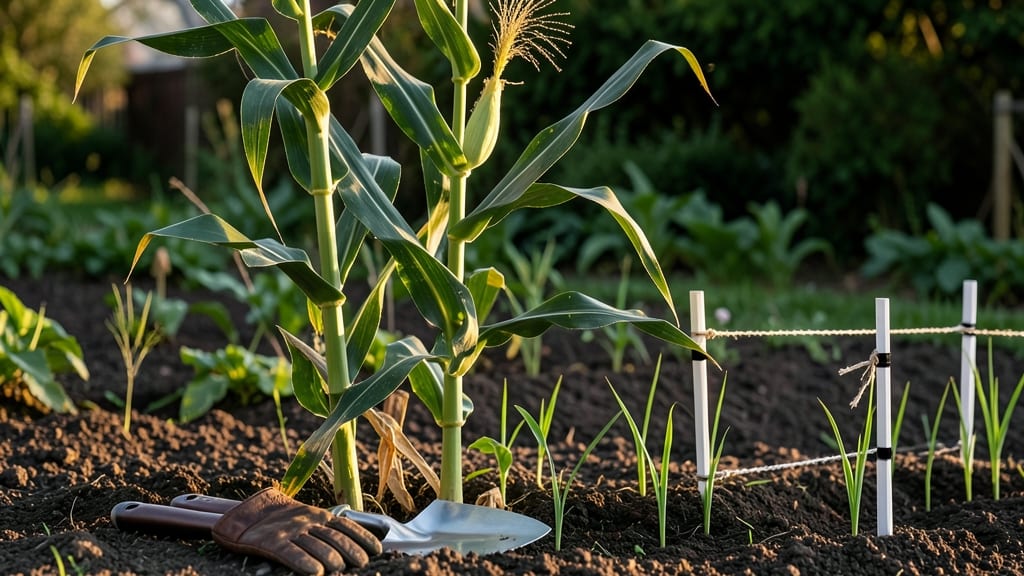
Timing your 🌽 corn planting in Mississippi isn't just about the calendar—it's about soil warmth, frost-free windows, and avoiding summer heat stress that can turn your crop into a flop. Get it wrong, and you might end up with stunted plants or wasted seeds before they even sprout.
Mississippi's USDA Zone 8a climate gives you a generous April-May window to plant, but the real magic happens when soil temperatures hit 60°F—not just the air temperature. That's when roots wake up and grow, setting the stage for a July-September harvest of sweet, plump ears.
I've seen gardeners in northern counties like Tunica rush planting before the last frost (usually around March 15), only to have their corn bolt too early. Meanwhile, those in southern areas closer to the Gulf Coast might wait too long, missing the optimal window entirely.
The difference between these approaches? A 200% yield difference in some cases.
In this guide, I'll break down exactly when to plant based on your specific county's microclimate, how to check soil temperature without fancy tools, and the 5 biggest mistakes Mississippi gardeners make with corn timing.
Let's make sure your next planting season ends with a pantry full of homegrown ears, not empty rows.
Mississippi corn planting dates by soil temperature & frost risk
Mississippi’s 215 frost-free days give corn plenty of time to thrive—but timing is everything. Corn seeds need soil temperatures of 60°F+ to germinate properly, and planting too early risks frost damage while waiting too long can lead to heat stress before harvest.
Most Mississippi counties fall within USDA Zone 8a, but microclimates vary significantly between the Delta region and the Gulf Coast.
For the best results, aim to plant corn 2-3 weeks after your last frost date, typically between mid-April and early May. However, soil temperature is the true deciding factor—corn won’t sprout reliably below 50°F, and growth slows dramatically below 60°F.
Using a soil thermometer is the most accurate way to determine readiness, especially in northern counties like Tunica or Quitman, where frosts linger longer.
Mississippi’s humid subtropical climate also means you’ll need to balance planting dates with summer heat stress. Planting too late can cause corn to bolt prematurely or produce small, underdeveloped ears before the first frost in November.
The ideal window ensures corn reaches harvest maturity (75-100 days) before temperatures drop.
If you’re unsure about your local frost dates, check the Mississippi State University Extension Service or use the National Weather Service’s frost prediction maps.
For home gardeners, a simple trick is to plant test rows 2 weeks apart in early April to gauge soil warmth and adjust your main planting accordingly. This staggered approach also helps extend your harvest window.
Another critical factor is daylength sensitivity. Corn planted too late may experience short-day stress, leading to poor ear development. In Mississippi, this risk increases after mid-May, so prioritize early April plantings for sweet corn varieties.
For dent corn (used for animal feed or grits), you have slightly more flexibility but still aim to finish by early June.
For container-grown corn, timing shifts slightly—you’ll need to start seeds indoors 6-8 weeks before your last frost and transplant when soil is warm. However, corn’s deep root system makes containers challenging; opt for 5-gallon pots or larger if space is limited.
In-ground planting remains the best option for most Mississippi gardeners due to the state’s rich, fertile soil.
Pro tip: Use black plastic mulch to warm soil faster in cooler regions. Lay it down 2-3 weeks before planting to raise soil temperatures by 5-10°F, accelerating germination. This is especially useful in northern Mississippi, where spring soils can linger near 50°F well into April.
Finally, don’t forget about succession planting. Mississippi’s long season allows for 2-3 corn plantings, spaced 2 weeks apart. This ensures a steady supply of ears throughout the summer.
Just be mindful of pest pressure, which builds as the season progresses—rotate planting locations if possible to manage corn earworm and armyworm outbreaks.
By aligning your planting with soil warmth, frost risk, and regional microclimates, you’ll maximize your corn’s potential in Mississippi’s humid, fertile soil. 🌽
How to adjust planting for Mississippi’s microclimates & county variations
Mississippi’s geography creates unique microclimates that can shift your corn planting schedule by weeks. Northern counties like Tunica (USDA Zone 7b) often experience later springs, while southern regions near the Gulf Coast (Zone 8b) may have earlier frost-free windows.
Elevation differences—even within the same county—can also affect soil warming rates.
For example, Hillsborough County in the Delta might see soil temperatures hit 60°F by mid-April, while Jackson County in the central region could wait until late April.
Always check your local Extension Service for county-specific frost data, as these variations can mean the difference between healthy seedlings and frost damage.
County Region
Last Frost Date
Ideal Planting Window
Soil Warmth Goal
North (Tunica, Quitman)
March 20–April 5
Mid-April to early May
60°F+ (wait 2+ weeks after last frost)
Central (Madison, Rankin)
March 15–March 30
Late March to mid-April
55°F+ (soil thermometer recommended)
South (Harrison, Jackson)
March 5–March 15
Early March to late April
50°F+ (earlier varieties preferred)
Elevation plays a critical role in soil warming. Gardens on higher terrain (like the Tombigbee Hills) may need to wait until late April, while low-lying areas near rivers or the coast can plant 2–3 weeks earlier.
Use a soil thermometer ($15–$20) to verify warmth—corn seeds won’t germinate below 50°F, and waiting until 60°F ensures faster growth.
Mississippi’s humidity spikes in summer can also stress corn if planted too early. In southern counties, aim to finish planting by May 15 to avoid heat stress during pollination.
For northern areas, extend your window to June 1 but choose shorter-maturity varieties (60–70 days) to harvest before fall rains arrive.
Pro Tip: If you’re in a transition zone (like Hinds or Yazoo County), split your planting. Sow early varieties (e.g., ‘Silver Queen’) in March for a June harvest, then plant later varieties (e.g., ‘Peaches & Cream’) in April for a September harvest. This staggered approach** maximizes yield and reduces risk.
🌽