
Planting
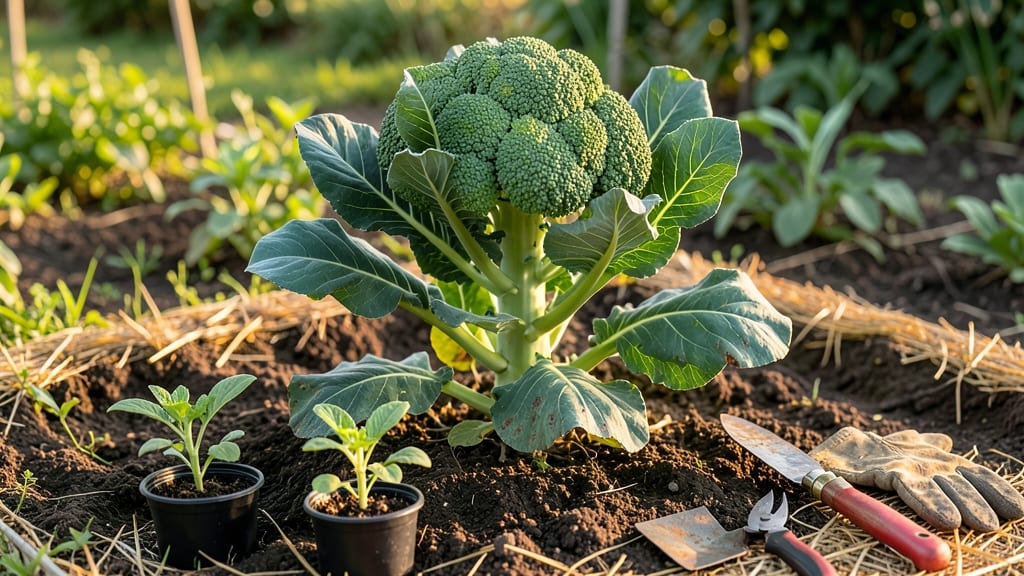
When to plant a fall garden in Zone 7 can make or break your harvest—especially when unpredictable frosts lurk around the corner. If you plant too early, your greens bolt before tasting sweet; too late, and frost steals your hard work before you even harvest. The sweet spot? Starting mid-August to early October, when soil stays warm enough for roots to establish but nights stay mild enough for tender crops to thrive.
But here's the catch: Zone 7 isn't one-size-fits-all. Microclimates—like urban heat islands or sheltered slopes—can shift your planting window by 2-3 weeks. That's why I'll break down exactly how to adjust for your specific corner of 7a or 7b, from soil temperature checks to last-minute frost protection.
No more guessing games.
You’ll also discover the top 8 cold-hardy crops that thrive in fall, plus my foolproof strategy for extending harvests into December. Whether you're a first-time gardener or a seasoned pro, these tips will help you avoid common pitfalls like bolting greens or soil that's too cold for seeds.
Let’s get your fall garden planted just right—so you’re harvesting crisp carrots and sweet peas while your neighbors are still shoveling frost-killed plants into the compost bin. Ready to dig in?
Zone 7 fall planting timeline: first-frost calculations and microclimate adjustments
Planting a fall garden in Zone 7 requires precision timing since the average first frost arrives between October 15–November 15, depending on your exact location.
Unlike spring planting, fall gardens thrive when soil temperatures drop but remain above 50°F—warm enough for germination but cool enough to prevent bolting in heat-sensitive crops.
Most cool-season vegetables need 60–90 days to mature, so you’ll want to plant them 4–6 weeks before your local first frost date. For example, if frost hits on October 30, start sowing leafy greens by September 15 and root vegetables by August 20.
Here’s how to calculate your personalized planting window:
| CROP TYPE | PLANTING TIME | DAYS TO HARVEST | MICROCLIMATE ADJUSTMENT |
|---|---|---|---|
| Leafy Greens (Spinach, Lettuce) | Mid-August to Early October | 30–50 days | Urban areas: plant 1 week later; slopes: 1 week earlier |
| Brassicas (Broccoli, Kale) | Late July to Mid-September | 50–70 days | Near water: plant 10 days earlier; dry areas: 10 days later |
| Root Vegetables (Carrots, Radishes) | Mid-August to Early October | 45–60 days | Shady spots: extend by 2 weeks; sunny spots: shorten by 1 week |
| Peas and Garlic | Late August to Mid-October | 60–90 days | Cold pockets: plant 2 weeks earlier; heat islands: 2 weeks later |
🌱 Pro Tip: Use a soil thermometer to confirm temps are 50–70°F before sowing.
Microclimates can shift your planting window by 1–3 weeks. For example, gardens near large bodies of water stay cooler and may experience frost 10–14 days earlier, while urban heat islands can delay frost by 1–2 weeks. Observe your garden’s behavior over 3 years to refine your schedule.
If you’re unsure about your local frost date, check the USDA Plant Hardiness Zone Map and cross-reference with local weather station data. For Zone 7a (colder end), aim for September 1–15 plantings, while Zone 7b (warmer) can extend to October 1–15.
For succession planting, sow fast-growing crops like radishes every 2 weeks until mid-September to ensure a continuous harvest. Slow growers like broccoli should be planted 8–10 weeks before frost to avoid stunted growth.
Use row covers or frost cloth to extend the season by 2–4 weeks, especially for delicate greens like baby spinach or arugula. These protective layers trap heat during the day and insulate against nighttime chills.
Monitor your garden’s progress with a harvest calendar. Mark sowing dates, transplant dates, and expected harvests to avoid gaps. For instance, if you plant kale on September 1, expect harvests by October 20–November 1.
Finally, prepare for unpredictable cold snaps by selecting cold-hardy varieties like 'Winterbor' kale or 'Red Salad Bowl' lettuce. These varieties tolerate 20–25°F without protection, giving you a safety net if frost arrives early.
Zone 7 fall planting timeline: first-frost calculations and microclimate adjustments
Zone 7 gardeners have a 6-8 week window to plant fall crops, but timing depends on your average first-frost date and local microclimates. Most of Zone 7 experiences first frost between October 15 and November 15, but urban areas can delay frost by 1-3 weeks due to heat retention.
To maximize your harvest, start planting 4-6 weeks before frost. For example, if your frost date is October 20, begin planting by September 15. This ensures crops like kale and spinach mature before cold snaps.
Microclimates play a huge role—south-facing slopes warm up faster, while low-lying areas may frost earlier. Test your soil temperature with a soil thermometer—most fall crops need 50°F+ soil to germinate properly.
🌱 Fall Planting Timeline for Zone 7
| Planting Window | Crops to Plant | Soil Temp | Notes |
|---|---|---|---|
| Mid-August | Peas, radishes, lettuce | 55°F+ | Early starters for quick harvests |
| Late August | Broccoli, carrots, spinach | 50°F+ | Succession plant every 2 weeks |
| September | Kale, garlic, onions | 45°F+ | Cold-hardy; plant 6-8 weeks before frost |
| October | Cover crops, winter rye | 40°F+ | Protect with row covers |
Use row covers or cold frames to extend your season by 2-4 weeks. These create a 5-10°F warmer microclimate, letting you plant hardier crops like Brussels sprouts even in early October.
If you're unsure about your frost date, check local weather records or use the USDA Plant Hardiness Zone Map. Adjust planting dates 1 week earlier for Zone 7a and 1 week later for Zone 7b.
Remember: Soil temperature matters more than air temperature. Use a soil thermometer to confirm readiness—cool soils delay germination, even if air feels warm.