
Plants
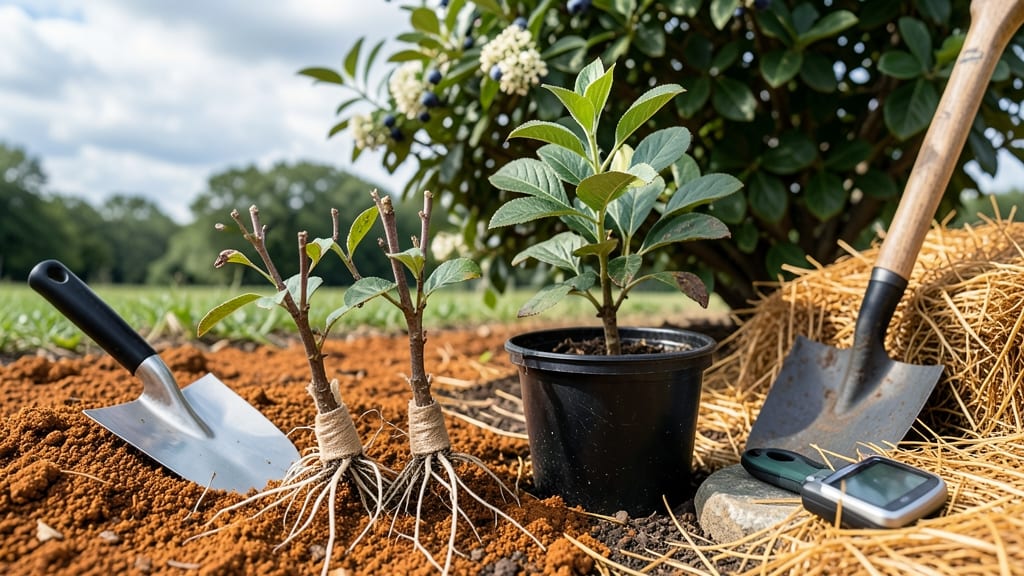
If you’ve ever wondered when to plant blueberries in Maryland, timing is everything—get it wrong, and frost or heat can ruin your harvest before it even starts.
Maryland’s 6b-7a climate means you’ve got a narrow window to plant these 🫐 shrubs just right, whether you’re going bare-root in spring or container-grown in fall.
The secret? Aligning your planting with Maryland’s chill-hour zones and frost-free dates. Plant too early, and a late frost could wipe out your young bushes. Too late, and your berries might not ripen before summer’s end.
I’ll break down the exact months that work best for your zone—and how to prep your soil so your blueberries thrive from the first day.
You’ll also learn which varieties handle Maryland’s unpredictable spring best, how to protect your plants from early frost, and whether container planting gives you more flexibility. Let’s get those 🫐 bushes in the ground at the perfect time for a bountiful harvest.
Skip the guesswork and start with the most efficient planting strategy tailored to Maryland’s climate. Your future breakfast pancakes will thank you!
Maryland’s best blueberry planting months by chill-hour zone
Blueberries thrive in Maryland’s USDA zones 6b-7a, but the real secret to success lies in chill-hour accumulation. Maryland spans 500-800 chill hours, which dictates whether you can grow early-season or late-season varieties.
Most of the state falls in the 600-700 hour range, meaning you’ll want varieties that match this threshold.
For northern Maryland (Baltimore, Frederick), aim for 700+ chill hours—perfect for late-season varieties like ‘Bluecrop’ that need extra cold to set fruit. In southern Maryland (Annapolis, Calvert County), with 500-600 chill hours, opt for early-season types like ‘Duke’ or ‘Jersey’ to avoid poor fruit set.
Here’s how to verify your chill hours: Check the USDA Plant Hardiness Zone Map for your exact location, then use a chill-hour calculator (like the one from the University of Maryland Extension) to confirm your zone’s winter cold accumulation.
This step ensures you pick the right variety for your microclimate.
Blueberries need 6-8 hours of sunlight daily, but Maryland’s spring frost dates (typically mid-April) mean timing matters. Planting too early risks frost damage, while planting too late may delay fruit production.
The sweet spot? Late March to early April for bare-root plants or October to November for container-grown shrubs.
Maryland’s fall planting window (October-November) is ideal because the soil is still warm, encouraging root establishment before winter. However, avoid planting in late November or December, as the ground may freeze, stunting growth.
If you miss fall, early spring (March-April) is your next best bet—just be ready to protect young plants from late frosts.
🌱 Maryland Blueberry Planting Guide by Chill-Hour Zone
| Zone | Chill Hours | Best Planting Months | Recommended Varieties | Notes |
|---|---|---|---|---|
| Northern MD (Baltimore, Frederick) | 700-800 | Late March - Early April or October - November | Bluecrop, Jersey, Patriot | Late-season types; needs full sun. |
| Central MD (Columbia, Hagerstown) | 600-700 | Late March - Early April or September - October | Duke, Bluecrop, Earliblue | Balanced chill; adaptable. |
| Southern MD (Annapolis, Calvert County) | 500-600 | Late February - March or October - November | Duke, Jersey, Top Hat (dwarf) | Early-season; watch for frost. |
If you’re unsure about your chill hours, test your soil’s acidity first—blueberries need a pH of 4.5-5.5. Use a soil test kit from your local University of Maryland Extension office or a digital pH meter.
If your soil is too alkaline, amend it with peat moss or sulfur before planting.
For container-grown blueberries, Maryland’s shorter growing season works in your favor. Plant in late spring (May-June) to avoid frost, and move pots to a sunny, sheltered spot in winter. Dwarf varieties like ‘Top Hat’ or ‘Pink Lemonade’ thrive in containers and produce fruit faster than standard shrubs.
Remember: Bare-root plants must be planted before buds break in spring (usually by early April), while potted plants can go in throughout the growing season.
Always water deeply after planting to encourage root growth and mulch with pine needles or wood chips to retain moisture and acidify the soil naturally.
Pro tip: Label your plants with the variety name and planting date. This helps track growth and fruit ripening times, especially if you’re testing multiple varieties in your Maryland garden. 🫐
Maryland’s best blueberry planting months by chill-hour zone
Maryland’s USDA zones 6b-7a create two distinct chill-hour zones for blueberries: 500-600 hours in southern regions and 700-800 hours in northern areas. This means your planting window shifts based on whether you’re growing early or late varieties.
For example, Duke (a southern favorite) needs just 500 chill hours, while Bluecrop thrives with 700+ hours. Check your local chill accumulation using the Maryland Climate Tool to pick the right variety.
In northern Maryland (Baltimore northward), aim for late March to early April for bare-root plants or October to November for container-grown blueberries. Southern Marylanders (Washington DC area) can plant bare-root as late as mid-April or in fall after October 15.
The key? Plant when soil temps hit 40°F—cold enough to prevent root shock but warm enough for growth.
🌱
📋 Maryland Blueberry Planting by Chill Zone
| Zone | Chill Hours | Best Planting Months | Top Varieties |
|---|---|---|---|
| Northern MD | 700-800 | Late March–Early April October–November |
Bluecrop, Jersey, Patriot |
| Southern MD | 500-600 | Mid-April October 15–November |
Duke, Premier, Tifblue |
Pro Tip: Container-grown blueberries can be planted anytime soil isn’t frozen—ideal for fall planting in Maryland’s mild winters.
I always plant bare-root blueberries in early spring because the soil is workable, and roots establish before summer heat. For container-grown plants, fall is my go-to—it gives roots time to settle before winter dormancy. Both methods work, but spring planting of bare-root varieties often yields fruit 1 year sooner.
Verify your chill-hour zone using the USDA Plant Hardiness Map or your local Cooperative Extension office. For example, Baltimore County averages 750 chill hours, while Prince George’s County sees just 600 hours.
Match your variety to these numbers to avoid poor pollination or weak growth. Bluecrop, Maryland’s most popular variety, needs 700+ hours, so it’s perfect for northern regions but may struggle in southern areas.
🌿