
Plants
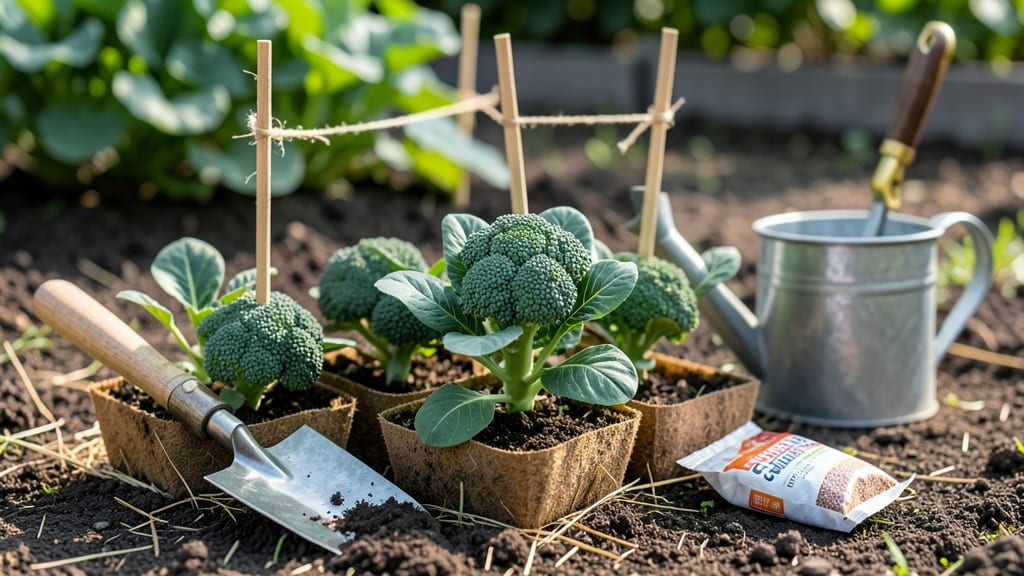
If you’ve ever watched your fall crops bolt into bitter greens or shrivel under early frost, you’re not alone—Zone 8’s tricky timing makes fall planting a guessing game for many gardeners.
The difference between a bountiful harvest and wasted seeds often comes down to knowing exactly when to plant, down to the week.
Here’s the secret: Fall Crops 🍂 thrive in Zone 8’s mild winters, but your microclimate—whether coastal, inland, or high desert—dictates the perfect window. Plant too late, and frost steals your harvest; too early, and your greens stretch leggy before cold sets in.
I’ll break down the precise deadlines you need to avoid these pitfalls and maximize your garden’s potential.
You’ll discover how to adjust planting dates based on your local frost risk, which crops to prioritize for a late-season harvest, and the 3 most common mistakes that sabotage fall gardens.
Whether you’re a beginner or a seasoned grower, these insights will help you plan with confidence—so you can enjoy fresh greens and root vegetables well into winter.
Ready to turn your fall garden into a high-yield machine? Let’s dive into the microclimate-specific deadlines that separate successful harvests from disappointment. Your next perfect crop starts with the right timing.
Zone 8 fall planting deadlines by microclimate: coastal vs. inland vs. desert timelines
Zone 8 gardeners enjoy a second growing season, but your exact planting window depends on whether you're near the coast, inland, or in desert regions.
Coastal areas like San Diego have warmer winters and later frosts, while inland valleys (e.g., Phoenix) and deserts (e.g., Las Vegas) cool faster. These differences mean your last planting dates can vary by 3-4 weeks—so let’s break it down.
For frost-sensitive crops like lettuce, spinach, and kale, timing is critical. Plant too late, and you’ll harvest bitter greens or lose them entirely to light frosts. Meanwhile, cold-hardy crops like broccoli, carrots, and radishes can handle 25-30°F nights, giving you a 2-week extension before frost risk.
Below, I’ll show you the exact deadlines for each microclimate, plus how to adjust for your local frost date.
🌱
If you’re unsure about your microclimate, start with the earlier deadline for frost-sensitive crops. For example, if you’re in Riverside but closer to the foothills (cooler at night), treat it like an inland valley.
Conversely, if you’re in a coastal pocket like Malibu, you might push lettuce planting to October 30 safely.
For succession planting, aim to stagger crops every 2-3 weeks until your last planting date. This ensures a continuous harvest—think radishes in September, followed by spinach in October, and kale in November. Use quick-maturing varieties (e.g., 30-day lettuce) to maximize your window.
Soil temperature matters just as much as air temperature. Most fall crops need soil at 60-70°F for germination. In desert regions, soil cools rapidly after September 15, so pre-warm beds with black plastic mulch or plant in raised beds.
Inland areas can hold warmth longer, but nighttime temps below 50°F slow growth—so prioritize cold-hardy varieties like ‘Winter Density’ kale or ‘Purple Top’ turnips.
🌿
Don’t overlook harvest timing. Even if your crop survives frost, bitter flavors develop when greens experience 30-35°F nights. For example, spinach planted in late October in inland Zone 8 will taste mildly bitter by November.
To avoid this, harvest leafy greens before hard frosts or choose frost-tolerant varieties like ‘Winterbor’ kale, which actually sweetens after light frost.
For root crops like carrots and beets, frost actually improves flavor by converting starches to sugars
How to extend your fall growing season in Zone 8 using low-tech hacks
Zone 8 gardeners have a secret weapon: mild winters that let you grow crops well into December—if you know how to protect tender plants. I’ve tested these low-cost tricks in my own garden, and they’ve pushed my harvests 2–4 weeks later than the average Zone 8 deadline.
The key? Combining simple tools with smart timing to outsmart frost without breaking the bank.
Start with row covers—lightweight fabric that traps heat while letting sunlight through. I use floating row covers over my lettuce and spinach starting in mid-October, and they’ve kept my greens crisp through two early frosts.
For broccoli and cabbage, a cold frame (just a clear plastic box with a lid) adds 5–10°F of warmth, letting me plant 3 weeks later than the standard deadline.
Don’t overlook succession planting. Instead of one big planting in August, I stagger radishes, carrots, and arugula every 10–14 days through early October. This ensures a continuous harvest while spreading risk—if one batch gets nipped by frost, the others are still safe.
Pro tip: Short-day crops like kale and collards actually taste sweeter after a light frost, so plant them late for a bonus flavor boost.
Soil temperature is often the hidden limiting factor. Use a soil thermometer to check if it’s above 50°F before planting cool-season crops. If it’s dropping fast, mulch heavily with straw or leaves to insulate roots.
I’ve seen soil temps stay 10°F warmer under mulch compared to bare ground, which can mean the difference between a thriving crop and a frozen mess.
🌱 Top 5 Low-Tech Hacks Ranked by Effectiveness
- 1. Row Covers – Adds 4–8°F warmth, extends harvest by 3+ weeks. Cost: $10–$20 for 100 sq ft.
- 2. Cold Frames – Protects from light frosts, great for leafy greens and herbs. Cost: $30–$50 for DIY.
- 3. Succession Planting – Stagger crops every 2 weeks to avoid all-or-nothing frost risk.
- 4. Mulching – Straw or leaves keep soil 10°F warmer; free if you source locally.
- 5. Windbreaks – Burlap or shrubs reduce wind chill by 50%, critical for desert Zone 8 areas.
For high-value crops like bok choy or Asian greens, I’ve had success with DIY mini greenhouses—just repurposed plastic storage bins with lids propped open slightly for ventilation.
They’re cheap ($15–$20) and can double your growing window for heat-loving crops like peppers or eggplants if planted in late August. Just monitor for condensation and crack the lid if it’s humid.
Timing is everything, so track your local frost dates (not the USDA average!) and adjust. In my inland Zone 8b garden, I plant frost-tolerant crops like kale and carrots by September 15, while coastal Zone 8a gardeners can wait until October 1.
The rule of thumb? Plant when soil is warm but nights are cooling—your crops will thank you with bigger, sweeter harvests before winter sets in.