
Plants
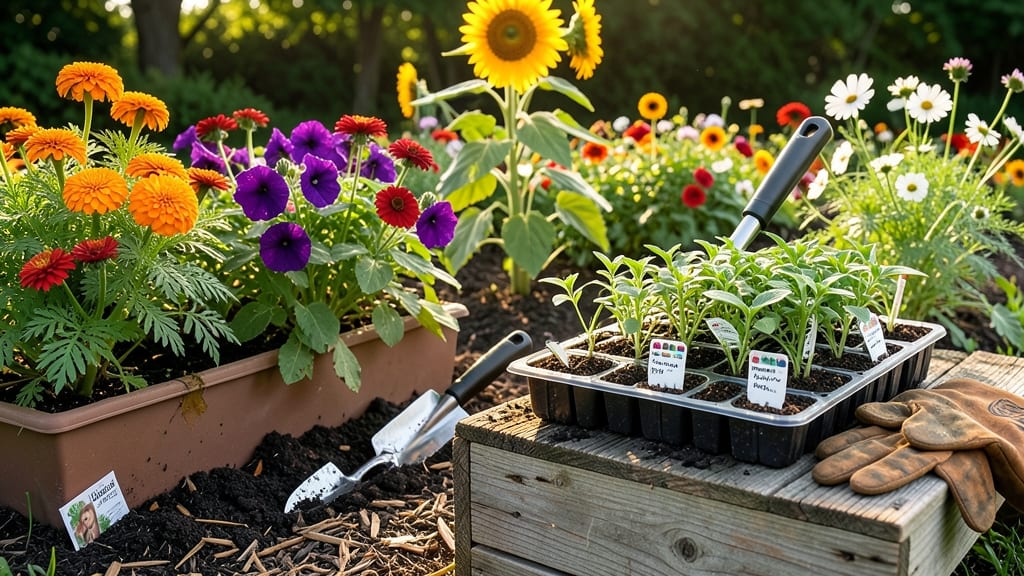
Timing your annuals planting in Virginia can make or break your garden's success—especially when frost dates vary dramatically across the state. Whether you're growing vibrant flowers or crisp vegetables, getting the timing right means the difference between a lush summer display and a sad, frost-nipped disappointment.
Virginia's diverse climate zones—from the cooler highlands to the milder coastal areas—create unique planting windows. I'll break down the best times to plant your 🌱 annuals based on your specific zone, so you can start confidently knowing your plants will thrive. No more guessing games!
Cool-season annuals like lettuce and pansies can go in as early as March in warmer zones, while warm-season favorites like tomatoes and marigolds need to wait until after the last frost, usually April to May.
I’ll show you exactly how to align your planting with Virginia’s frost-free periods for maximum results.
Ready to transform your garden? Let’s dive into the zone-specific calendar that will help you plant with precision—so you can enjoy a garden bursting with color and flavor all season long.
Virginia planting zones & frost dates: when to start annuals by region
Virginia’s diverse geography—from coastal plains to mountain valleys—creates 6 distinct USDA planting zones (5a-8a), each with unique frost patterns. Knowing your zone is the first step to planting annuals at the perfect time to avoid frost damage.
For example, Zone 5a (northern mountains) has a last frost date of May 15, while Zone 7b (Richmond area) typically sees frost-free soil by April 1. These differences mean cool-season annuals like lettuce can go in 6 weeks earlier in the south than the north.
To find your exact zone, check the Virginia Cooperative Extension’s interactive map or use the USDA Plant Hardiness Zone Map. Coastal areas (like Norfolk) often experience earlier springs due to ocean moderation, while inland valleys (like Roanoke) may face later frost risks.
Even within 50 miles, frost dates can shift by 2-3 weeks, so local data beats general rules.
🌱
| Zone | Avg. Last Frost | Cool-Season Planting | Warm-Season Planting | First Frost Risk |
|---|---|---|---|---|
| 5a (Mountains) | May 15–20 | March 15–April 1 | May 25–June 1 | Oct 15–20 |
| 6a (Piedmont) | April 15–20 | Feb 28–March 15 | April 25–May 10 | Oct 5–10 |
| 7a (Central) | March 20–25 | Feb 15–March 1 | April 10–15 | Nov 1–5 |
| 7b (Tidewater) | March 1–5 | Jan 20–Feb 10 | March 15–20 | Nov 10–15 |
| 8a (Southeast) | Feb 15–20 | Jan 1–15 | Feb 28–March 10 | Dec 1–10 |
For cool-season annuals like pansies, kale, or spinach, aim to plant 4–6 weeks before your last frost date. These plants thrive in 50–65°F soil and can even handle light frosts. In Zone 7b, that means starting seeds indoors by January 15 for an early spring harvest.
Meanwhile, warm-season annuals (tomatoes, peppers, zinnias) need soil temps above 60°F—so wait until 2 weeks after your last frost or use row covers to protect tender seedlings.
Pro tip: Use the "10-day rule"—if your area hasn’t seen frost for 10 consecutive nights above 32°F, it’s safe to plant heat-loving annuals. Check local weather stations like NOAA’s Climate Data or Virginia State Climatology Office for real-time updates.
In Zone 5a, this often happens around June 1, while Zone 8a gardeners can plant by April 15.
Virginia’s diverse climate zones mean your March planting in Zone 5a (northern mountains) won’t match April starts in Zone 7b (Tidewater). But no matter where you garden, timing is everything—especially for heat-sensitive annuals like tomatoes or frost-tender flowers like impatiens. I’ve broken down the best annuals to plant each month, balancing cool-season hardiness with warm-season heat tolerance. Pro tip: Use row covers to extend early spring plantings by 2–4 weeks in cooler zones. 🌱 March: Start cool-season veggies (lettuce, peas, spinach) and hardy annuals (pansies, snapdragons) after your last frost. For Zone 5–6, wait until soil warms to 50°F—cold soil delays germination. April is peak planting month for most Virginia gardeners. Warm-season annuals like marigolds, zinnias, and basil thrive when nights stay above 50°F. In Zone 7+, you can even start tomato seeds indoors in early April for May transplants. ☀️ May–June: This is your golden window for heat-loving annuals. Plant vegetables (peppers, cucumbers, okra) and flowers (sunflowers, cosmos, vinca) after soil reaches 60°F. Succession plant bush beans every 2 weeks for continuous harvests. Don’t overlook July–August! While many gardeners think summer planting is too late, heat-tolerant annuals like portulaca (moss rose) and celosia thrive in Virginia’s summer heat. For vegetables, try Malabar spinach or sweet potato leaves—both handle humidity better than traditional greens. Extend your fall blooms by planting cool-season annuals in September: calendulas, stocks, and sweet alyssum tolerate light frosts. In Zone 7b+, you can even grow broccoli and cauliflower for a Christmas harvest! Remember: Companion planting boosts success. Pair basil with tomatoes to repel pests, or plant marigolds near veggies to deter nematodes. Happy planting—your Virginia garden will thank you! 🌻Best annual flowers & vegetables to plant by month in Virginia