
Vegetables
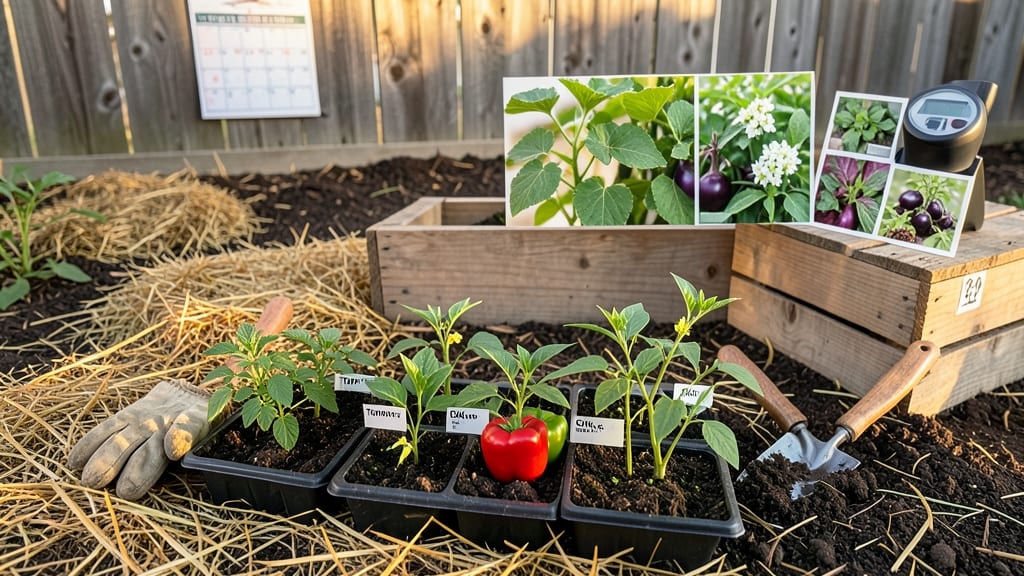
Knowing the best time to plant vegetables in Texas can make or break your harvest—because one wrong move means wilting greens or bolted lettuce before you even taste them.
The Lone Star State’s brutal summers and unpredictable freezes turn gardening into a high-stakes game of timing, where cool-season crops like broccoli 🥕 need to go in early fall, while tomatoes and peppers beg for a spring start.
Here’s the secret: Texas isn’t one-size-fits-all. North Texas gardeners (zones 8a-9a) have to dodge late frosts, while South Texas (9b-10b) can push limits with year-round greens—but even then, summer heat demands shade-loving tricks.
I’ll break down the best months to plant, which veggies thrive when, and how to cheat the Texas climate for bigger, happier harvests.
Skip the guesswork and learn how to sync your planting with Texas’s two golden windows: early spring and late summer/fall.
Whether you’re a first-timer or a seasoned grower, these tips will help you beat the heat, avoid frost traps, and turn your backyard into a produce powerhouse—no matter where you’re planted.
Ready to grow? Let’s dive into the heat-zone breakdown that’ll keep your veggies happy, healthy, and ready to harvest when you are.
Texas heat-zone planting calendar: what to sow each month by region
Texas spans USDA hardiness zones 8a through 10b, meaning your planting schedule should shift dramatically from the Panhandle’s cooler winters to South Texas’ year-round growing potential.
In North Texas (8a-9a), early spring and late fall are your best bets, while South Texas (9b-10b) gardeners can plant almost year-round with careful planning. The key? Aligning your cool-season crops (broccoli, spinach) with warm-season staples (tomatoes, peppers) to maximize your harvest window.
For most Texas regions, March and April are ideal for warm-season vegetables like tomatoes, peppers, and okra, while September and October kick off the cool-season planting rush for kale, lettuce, and carrots.
However, South Texas (zones 9b-10b) can plant tomatoes and peppers as early as February and cool-season crops as late as November, thanks to milder winters. Meanwhile, North Texas gardeners must rush to beat the last frost date (mid-February in 8a) for spring crops.
🌱
| Zone | Cool-Season Crops | Warm-Season Crops | Heat-Tolerant Alternatives |
|---|---|---|---|
| 8a (North Texas) | Sep–Nov Mar–Apr (6 wks before last frost) |
Apr–May Aug–Sep (after summer heat) |
Sweet potatoes, malabar spinach |
| 9a (Central Texas) | Sep–Nov Feb–Mar (extend with row covers) |
Mar–Apr Jul–Aug (shade cloth helps) |
Okra, black-eyed peas |
| 9b–10a (Hill Country) | Sep–Dec Jan–Feb (mild winters) |
Feb–Mar Jul–Sep (year-round potential) |
Peppers, eggplant, tomatoes |
| 10a–10b (South Texas) | Sep–Jan Year-round with shade |
Feb–Mar Jul–Oct (heat-tolerant varieties) |
Sweet potatoes, cowpeas, jute mallow |
In North Texas (zone 8a), where winters can drop below 20°F, focus on late summer (August) for warm-season crops like okra and southern peas, which thrive in the heat before first frost.
Meanwhile, South Texas (zone 10a) gardeners can plant tomatoes and peppers in January—just use shade cloth to protect young seedlings from intense afternoon sun.
The secret? Succession planting: Sow lettuce every 2 weeks in fall to stretch your harvest into December, or plant basil in May and again in September to avoid bolting.
For Central Texas (zone 9a), where unpredictable freezes can strike as late as March, use row covers or cold frames to extend your cool-season growing window. My go-to trick?
Plant spinach and peas in late February under a floating row cover—it buys you 4-6 extra weeks of harvest time before the heat sets in. And don’t overlook heat-tolerant greens like Malabar spinach or Swiss chard, which stay productive when regular lettuce bolts in the 90°F+ heat.
One common mistake? Planting warm-season crops too early in North Texas or cool-season crops too late in South Texas. For example, tomatoes planted in April in 8a will struggle with heat stress by June, while broccoli planted in October in 10a may bolt prematurely before winter cools down.
The solution? Follow your zone’s "safe planting dates"—and when in doubt, start seeds indoors 4-6 weeks before the ideal outdoor date.
Pro tip: Use Texas A&M’s free frost date maps (available online) to pinpoint your last spring frost and first fall frost.
Then, work backwards: For cool-season crops, plant 4-6 weeks before your last frost; for warm-season crops, wait until 2 weeks after the last frost date.
In South Texas, where frost is rare, plant warm-season crops in January and cool-season crops in July—just provide afternoon shade for heat-sensitive varieties.
Don’t forget soil temperature—it’s just as critical as air temperature. Cool-season crops thrive when soil is 50–60°F, while warm-season crops
How to adjust planting times for Texas’ unpredictable freezes and heat spikes
Texas’ unpredictable freezes and heat spikes can turn a thriving garden into a disaster if you’re not prepared. North Texas (zones 8a-8b) often faces late freezes in March or April, while South Texas (zones 9a-10b) battles 100°F+ summers starting as early as May.
The key is flexibility—adjusting planting times, using protective tools, and choosing the right varieties.
For cool-season crops like broccoli or spinach, I always plant 4-6 weeks before the last frost date (typically mid-February in South Texas or late February in North Texas).
But if your area has a history of late freezes, opt for cold-hardy varieties like ‘Winterbor’ kale or ‘Top Bunch’ broccoli, which can survive 20°F temperatures.
To extend your growing season, I rely on row covers (like frost blankets) in early spring and late fall. These can add 4-6°F of protection, letting me plant lettuce in September or green beans in March without fear of frost.
For summer, shade cloth (30-50% coverage) helps heat-sensitive crops like cucumbers thrive in zone 10b.
Another trick? Succession planting every 2-3 weeks ensures a steady harvest. For example, I sow radishes every 10 days from September to November in North Texas, guaranteeing fresh harvests before the first frost.
In South Texas, I stagger okra and sweet potatoes from May to July to avoid bolting in extreme heat.
Don’t forget mulching—a 3-inch layer of straw or wood chips keeps soil temps stable, reducing stress on plants. In my zone 9a garden, mulch helps carrots and beets stay cool during June heat waves, while in zone 8b, it protects onions from winter freezes.
Pair this with drip irrigation to avoid wetting foliage, which invites fungal diseases in Texas’ humid summers.
Finally, monitor local weather patterns using tools like the National Weather Service or Texas A&M AgriLife Extension. I adjust my planting timeline based on 10-day forecasts—if a cold front is predicted, I delay tomato transplants or cover young seedlings.
With these strategies, you can beat Texas’ extremes and enjoy a longer, more reliable harvest. 🌱