
Flowers
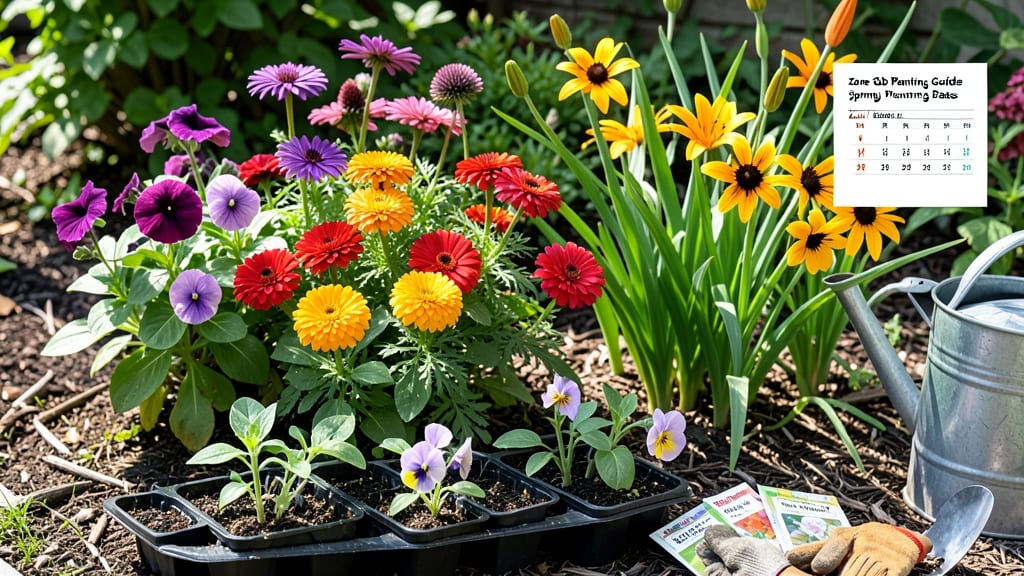
Timing your Flowers 🌸 planting in Zone 6b isn’t just about luck—it’s the difference between a garden bursting with color and one that struggles to take root. Whether you’re dreaming of vibrant annuals or hardy perennials, getting the timing right means avoiding frost damage or missed blooms.
In Zone 6b, where frost can sneak in as early as mid-October or linger until mid-April, knowing when to plant flowers is your secret weapon. Spring and fall are your best bets, but even then, soil temperature and last frost dates play a huge role in success.
I’ll walk you through the exact windows for planting annuals, perennials, and bulbs—plus how to adjust for unpredictable weather. By the end, you’ll know exactly when to dig in for perfect blooms all season long.
No more guessing games—just a foolproof schedule tailored to your region’s unique climate. Let’s get those Flowers 🌸 growing strong!
Zone 6B frost dates by month: critical planting windows for annuals & perennials
Understanding your Zone 6B frost dates is the first step to successful flower gardening. In this region, the average last frost date typically falls around April 15, while the first frost usually arrives on October 15.
These dates create a 165-day growing season—the perfect window for cool-season and warm-season flowers to thrive.
Your planting schedule should revolve around these dates. Cool-season flowers like pansies and snapdragons can handle light frosts, while warm-season favorites like zinnias and marigolds need soil temperatures above 50°F to germinate. Missing these windows can mean stunted growth or frost damage.
Here’s how to use these frost dates to plan your flower planting schedule:
| Season | Planting Window | Ideal Flowers | Soil Temp |
|---|---|---|---|
| Early Spring | March–April (4-6 weeks before last frost) | Pansies, Snapdragons, Sweet Alyssum | 40–50°F |
| Late Spring | May–June (after last frost) | Marigolds, Petunias, Zinnias | 50–60°F |
| Summer | June–July (ongoing) | Sunflowers, Dahlias, Cosmos | 60–70°F |
| Early Fall | August–September (4-6 weeks before first frost) | Chrysanthemums, Asters, Calendula | 50–60°F |
🌱 Key: Adjust dates by 2 weeks if your microclimate varies!
For perennials, like coneflowers or black-eyed Susans, planting in early spring (March–April) gives roots time to establish before summer heat. Meanwhile, annuals like marigolds or petunias can be sown directly after the last frost (mid-May) for summer-long blooms.
Bulbs like tulips and daffodils should be planted in fall (September–October) to naturalize and bloom the following spring. Plant them 6–8 weeks before the first frost for best results.
If you’re unsure about your exact frost dates, check the USDA Plant Hardiness Zone Map and use local weather records. Many Zone 6B gardeners also rely on soil thermometers to confirm when it’s safe to plant heat-loving flowers.
Pro tip: Use row covers or cold frames to extend your planting season by protecting tender seedlings from late frosts. This can add 2–3 weeks to your growing window, giving you more time for blooms.
Once you’ve mastered these frost dates, you’ll never guess when to plant again. Start with cool-season flowers in early spring, transition to warm-season blooms after the last frost, and end with fall favorites for a garden that thrives all season long.
Now that you’ve got your frost dates locked in, let’s dive into the best flowers to plant in Zone 6B by season—each with its own ideal timing for maximum impact.
Best flowers to plant in Zone 6B by season: a month-by-month guide
Zone 6B gardeners have a 165-day frost-free season, giving us plenty of time to grow stunning flowers. The key is matching each bloom to its perfect planting window. Cool-season flowers like pansies thrive in early spring, while warm-season favorites such as zinnias need summer heat to flourish.
I’ve broken down the best flowers to plant each month, including bulbs, perennials, and annuals. This schedule ensures your garden stays vibrant from spring to fall, with minimal gaps between blooms. Let’s dive into the seasonal lineup!
🌱
Start with cold-hardy bulbs like tulips and daffodils in March. By April, transplant pansies and violas for early color, and sow calendula seeds directly into the soil.
June is prime time for heat-loving annuals like zinnias, sunflowers, and marigolds. Perennials such as coneflowers and black-eyed Susans can be divided or transplanted in early summer for a fall rebloom.
Late summer is ideal for fall-blooming perennials like asters and chrysanthemums. Plant spring-blooming bulbs like tulips and crocuses in October for next year’s show. Pansies and snapdragons can also handle cool fall temps.
Use this time to plan next year’s garden, order seeds, and protect perennials with mulch. Winter aconites can be planted in early winter for surprise blooms in late winter.
For annuals, aim to plant after your last frost date (mid-April). Perennials and bulbs often have broader windows—many can handle early spring or late fall planting. Always check seed packets for specific instructions, as some varieties (like cosmos) self-seed prolifically and may not need replanting.
Pro tip: Use row covers to extend the season for tender flowers like petunias or geraniums in early spring or late fall. This simple trick can add 2–4 extra weeks of blooms to your garden! 🌿