
Flowers
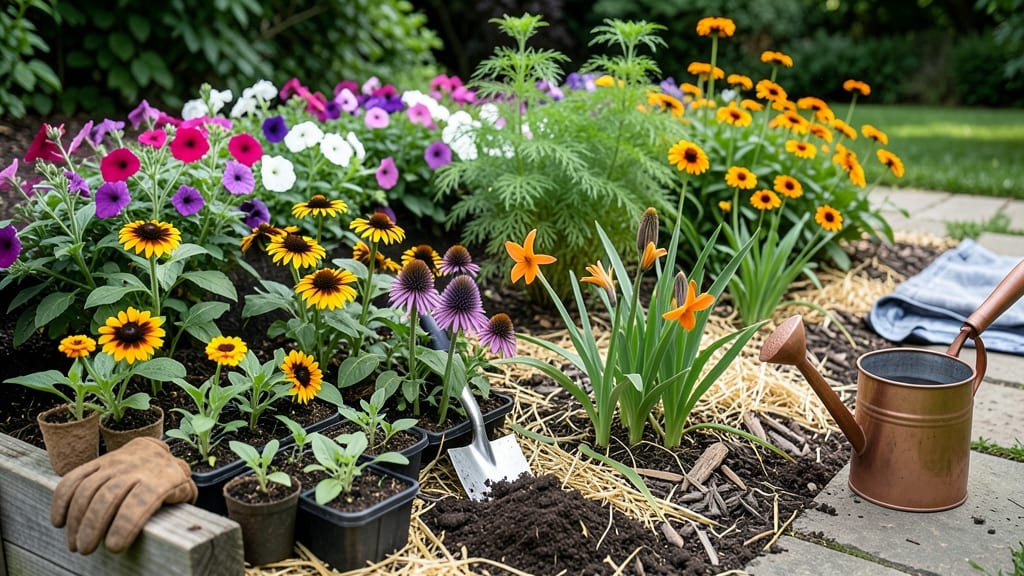
Timing your flower planting in Arkansas is the key to unlocking a garden bursting with color—if you get it wrong, those delicate 🌸 buds might never even sprout.
The state’s 7a-8b zones and unpredictable spring weather mean planting too early can fry tender seedlings, while waiting too long risks missing peak bloom seasons.
Let’s cut through the guesswork: whether you’re dreaming of spring azaleas or fall mums, knowing when to plant is everything. I’ll break down the exact windows for annuals, perennials, and bulbs—plus how to adjust for your county’s heat zone—so you can start seeds or transplant with confidence.
From late February to early April for spring bloomers to August-September for fall favorites, Arkansas gardeners have two prime chances to plant. But frost dates vary wildly—some regions see their last freeze in March, while others wait until April.
I’ll show you how to beat the odds with proven timing strategies.
Ready to transform your yard into a year-round flower show? Grab your calendar and let’s dive into the perfect planting schedule—tailored just for Arkansas’s unique climate. Your garden’s future starts here.
Arkansas heat Zone map: how climate affects flower planting dates
Arkansas spans USDA Hardiness Zones 6a through 8a, meaning your planting timeline should shift depending on whether you're in northern Benton County (Zone 6a) or southern Miller County (Zone 8a).
These zones determine when to plant flowers in Arkansas—get it wrong, and you might face late frosts killing tender seedlings or summer heat stressing newly transplanted perennials.
Most of Arkansas experiences its last spring frost between March 15 and April 15, while the first fall frost arrives between October 15 and November 15. These dates create your planting windows: spring (after last frost) and fall (6-8 weeks before first frost).
For example, Zone 6a gardeners should wait until mid-April for warm-season flowers, while Zone 8a gardeners can start as early as late February.
Here’s how Arkansas’ diverse climate zones impact popular flowers:
| Zone | Last Frost Date | First Frost Date | Spring Planting Window | Fall Planting Window |
|---|---|---|---|---|
| 6a (NW Arkansas) | April 1-15 | October 15-30 | Late April | September 1-15 |
| 7a (Central Arkansas) | March 15-April 1 | October 30-November 15 | Mid-April | September 15-October 1 |
| 8a (SE Arkansas) | February 15-March 15 | November 15-30 | Late February | October 1-November 1 |
For annual flowers like marigolds or petunias, aim to plant 2-3 weeks after your last frost date—this gives seedlings time to establish roots before summer heat arrives. Perennials like daylilies or black-eyed Susans can handle cooler spring soil, so you can plant them as early as 2 weeks after last frost in Zone 7a or warmer.
Bulbs like tulips and daffodils should be planted in fall (October-November) for spring blooms, while winter-blooming flowers like pansies thrive when planted in early September. The key is aligning your planting with Arkansas’ frost-free growing season, which averages 200-240 days across the state.
Pro tip: Use local weather data from sources like the Arkansas Climate Office to fine-tune your planting dates. For example, Zone 6a’s later frost dates mean waiting until mid-April for heat-loving geraniums or salvias, while Zone 8a gardeners can start marigolds indoors in January for an early spring display.
If you’re unsure about your zone, check the USDA Plant Hardiness Zone Map or use Arkansas-specific resources like the University of Arkansas Extension Service. They offer county-by-county planting guides tailored to local microclimates—critical for Arkansas’ humid subtropical regions where summer heat and humidity can stress young plants.
Remember, soil temperature matters too. Most flower seeds need soil at at least 60°F (15°C) to germinate. Use a soil thermometer to avoid planting too early in cooler zones like Zone 6a, where late spring frosts can still occur.
Now that you’ve got your heat zone and frost dates locked in, let’s dive into exact planting dates for Arkansas’ most beloved flowers—from spring-blooming azaleas to fall-loving mums. 🌸
Exact planting dates for Arkansas flowers by season (spring, summer, fall)
Arkansas gardeners know timing is everything—especially when planting flowers that thrive in USDA Zones 6a-8b. The last frost date (typically mid-March in most regions) marks the start of spring planting, while fall planting (August-September) ensures vibrant blooms next year.
Let’s break down the best times to plant popular Arkansas flowers, adjusted for northern (cooler) and southern (warmer) regions.
For spring-blooming flowers like azaleas and daylilies, start planting as soon as the soil is workable (usually late February in Zone 8b and early April in Zone 6a). Annuals like marigolds and petunias can wait until after the last frost, often mid-April.
In southern Arkansas, you might even plant some heat-loving flowers like lantana or zinnias as early as February.
🌸 Spring Planting Schedule: February (Zone 8b) – April (Zone 6a) for perennials; April-May for annuals.
In Arkansas’s humid climate, some flowers (like impatiens or begonias) prefer partial shade and can be planted as early as March in cooler zones. Meanwhile, sun-loving flowers like lavender or rosemary should wait until after April 15th to avoid frost damage.
Pro tip: Use row covers for early plantings in Zone 6a to extend the season.
For container gardening, you can start petunias or geraniums indoors in February and transplant them outside after the last frost. This head start gives them a 2-3 week advantage over direct-sown seeds.
Just remember: Arkansas’s summer heat can stress young plants, so always water deeply in the morning to keep roots cool.
🌿 Fall Planting Bonus: Plant winter pansies or calendulas in September for colorful blooms through December. These cold-hardy annuals thrive in Arkansas’s mild winters and add cheer to holiday gardens.