
Plants
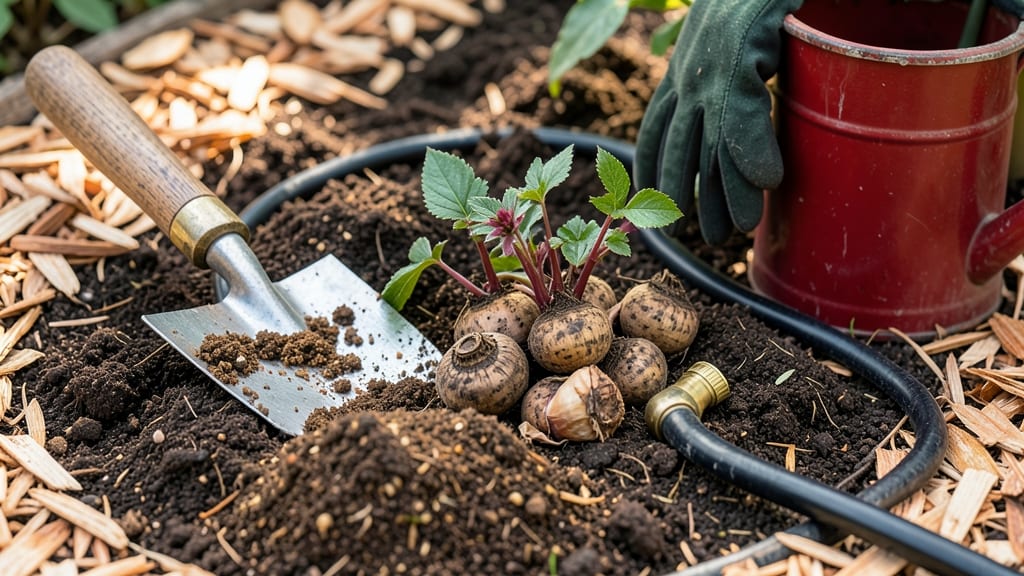
Planting dahlias in San Diego might seem tricky with its famously mild winters, but timing is everything—get it wrong, and your tubers rot or bloom too late.
The key is knowing when soil warms enough to support those delicate tubers, which is typically after the rare frost risk in February or March.
Unlike colder climates, San Diego’s USDA Zone 10a means you can push your planting window later, but coastal areas play by their own rules. Fog delays and ocean breezes can make early planting risky, while inland spots might handle tubers sooner.
I’ll break down exactly when to plant for zero-frost success, whether you’re in La Jolla or Chula Vista.
You’ll also discover how to prep your soil, choose the right microclimate spot, and avoid common mistakes that turn vibrant 🌸 dahlias into sad, stunted plants. Ready to turn your garden into a year-round flower show?
Let’s dive into the perfect planting schedule tailored for San Diego’s unique weather—so you can enjoy blooms from June through October without the guesswork.
Optimal planting windows for dahlias in San Diego’s coastal zones
San Diego’s USDA Zone 10a/10b climate means dahlias can technically be planted almost year-round, but timing still matters for maximum blooms and tuber health. Unlike colder regions, we don’t wait for spring—we focus on soil temperature and microclimate instead.
Coastal areas near the ocean have cooler, foggier conditions, while inland zones like Escondido or Ramona can experience sudden heat spikes. Let’s break down the three best planting windows based on your specific zone.
For coastal San Diego (e.g., La Jolla, Pacific Beach), aim to plant dahlia tubers in late February to early March when soil temps consistently reach 60°F (15°C). This timing avoids the chilly coastal fog that can delay sprouting.
Inland areas like Carlsbad or Chula Vista can plant slightly earlier—mid-January to February—thanks to warmer soil. Pro tip: Use a soil thermometer to confirm readiness, as visual cues like blooming camellias signal the perfect window.
Here’s the golden rule: Never plant when nighttime temps dip below 50°F (10°C). Coastal mornings can still be chilly even in March, so wait until after the last expected fog (usually by mid-March).
If you’re impatient, start tubers indoors in January under grow lights—just transplant them outdoors after March 15 to avoid transplant shock from sudden coastal breezes.
| Zone & Timing | Soil Temp Threshold | Key Microclimate Factors | Best Tubers to Choose |
|---|---|---|---|
| Coastal (La Jolla, Pacific Beach) | 60°F+ (after March 1) | Fog delays, ocean breeze, slower warming | Cold-hardy varieties like 'Café au Lait' or 'Bishop' |
| Inland (Carlsbad, Chula Vista) | 55°F+ (after Jan 15) | Faster soil warming, less fog, more heat spikes | Heat-tolerant types like 'Arabian Night' or 'Karma Choc' |
| Mountainous (Julian, Ramona) | 65°F+ (after March 15) | Cooler nights, higher elevation, shorter season | Compact varieties like 'Thomas Edison' or 'Mignon' |
🌱 Pro Tip: Coastal gardeners should mulch with straw or pine needles to retain heat.
If you miss the primary planting window, don’t panic—San Diego’s mild winters allow for a secondary planting in late August to September. This is ideal for fall-blooming dahlias that will thrive until the holidays.
However, these late plants won’t reach the same height as spring-planted varieties, so choose dwarf or semi-dwarf types like 'Little Chief' or 'Pink Dot'. Just be sure to protect tubers from December rains by covering them with black plastic mulch.
For container gardening in San Diego, timing shifts slightly. Since pots dry out faster, plant tubers in March but use larger containers (18+ inches deep) to accommodate root growth. Coastal balconies may need extra wind protection, like a burlap windbreak or placing pots against a south-facing wall.
Inland containers can handle earlier planting (February), but monitor for heat stress—dahlias wilt faster in pots during 90°F+ days.
One common mistake in San Diego is planting too early due to warm spells. Even if temps spike in January, coastal fog can still cause tuber rot. Always check nighttime lows—if they drop below 50°F, wait.
For extra insurance, soak tubers in water for 6 hours before planting to jumpstart growth. This trick works especially well for coastal gardeners where soil stays damp longer.
Local nurseries like Sterling Nursery (Encinitas) or Sunset Cliffs Nursery (La Jolla) stock dahlias starting in January, but hold off until March for outdoor planting.
If you’re unsure about your microclimate, ask staff about 'coastal-friendly' varieties—they’ll often recommend smaller, hardier types that handle San Diego’s unpredictable marine layer. For inland areas, larger, heat-tolerant varieties like 'Galaxy' or 'Safari Sunset' perform best.
Remember: Dahlias in San Diego bloom year-round if cared for properly. By planting at the right time—late February to March for coastal, January to February inland—you’ll enjoy nonstop color from June through December.
The key is patience with coastal zones and adaptability for inland heat. Once established, your dahlias will reward you with bold blooms that last until frost—and in San Diego, that’s almost year-round.
Optimal planting windows for dahlias in San Diego’s coastal zones
San Diego’s USDA Zone 10a/10b climate means you can technically plant dahlias year-round, but timing is everything. Unlike northern climates, frost isn’t your enemy—but soil temperature and coastal fog delays are. The best windows focus on soil warmth (60°F+) and avoiding the coolest coastal months when growth stalls.
For coastal areas (like La Jolla or Pacific Beach), aim for late February to early March when ocean breezes soften and soil begins warming. Inland zones (like Escondido) can start slightly earlier—mid-January to February—since they heat up faster.
Tubers planted too early in coastal zones may rot from excess moisture.
Here’s the key difference: Pre-started plants (from nurseries) can go in as early as January if nights stay above 50°F, but tubers need warmer soil (60°F+) to sprout reliably. Coastal fog often keeps soil cool until March, so don’t rush!
| Zone Type | Best Planting Window | Soil Temp Requirement | Key Risk |
|---|---|---|---|
| Coastal (e.g., La Jolla) | Late Feb–Early Mar | 60°F+ (warms slowly) | Fog delays sprouting |
| Inland (e.g., Escondido) | Mid-Jan–Feb | 55°F+ (warms faster) | Sudden heat spikes |
| Both Zones | Avoid planting after May | N/A | Late blooms (heat stress) |
Pro tip: Use a soil thermometer to confirm 60°F+ soil temps before planting tubers. Coastal gardeners often need to wait until March—patience pays off with longer bloom seasons. For pre-started plants, check nighttime temps: if they dip below 50°F, delay planting until late February.
One common mistake? Planting tubers in January because it’s warm outside—soil stays cool until solar radiation increases in March. Test this: Stick your hand in the soil at 10 AM on a sunny day. If it feels cooler than 60°F, wait another week.
For extended blooms, aim to have dahlias established by April. This gives them 6+ months of growth before San Diego’s rare December frosts (which are unlikely but possible in inland microclimates). Coastal areas can push planting slightly later without risk.
Remember: Dahlias in San Diego aren’t just about avoiding frost—they’re about harnessing the heat. Plant too early, and you’ll waste energy on slow growth; plant too late, and you’ll miss the peak summer bloom window. March is your sweet spot for most gardeners. 🌸