
Plants
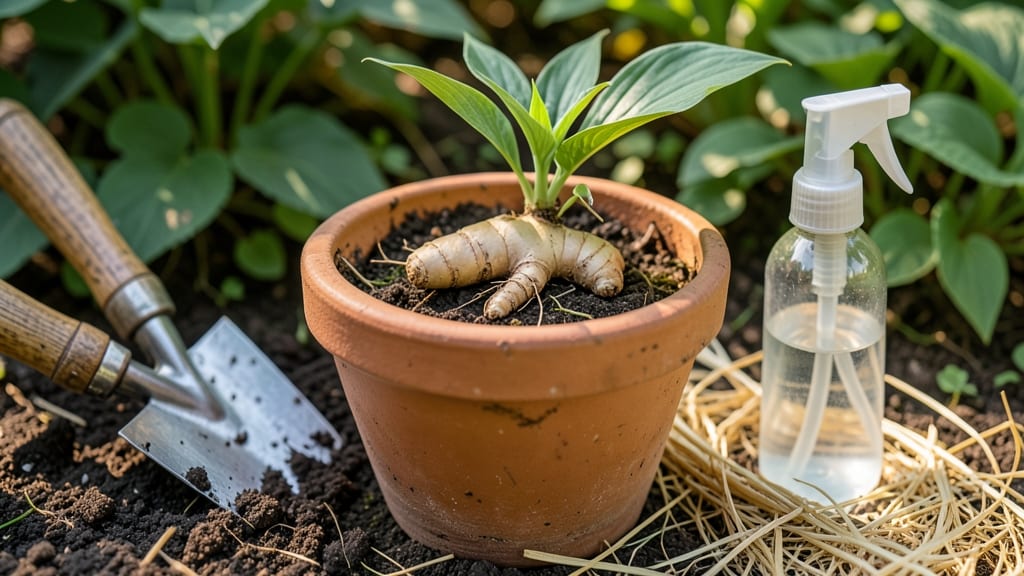
When to plant ginger in California can make or break your harvest—because timing this tropical root wrong means either frost-killed rhizomes or wilting plants before they mature.
Here’s the game-changer: Coastal growers like those in San Diego can plant year-round thanks to frost-free skies, while inland gardeners in Sacramento need to wait until late winter (Feb-Mar) to avoid early chills.
The secret? Soil temperature matters more than calendar dates—ginger 🌿 thrives when the ground warms to 60°F+.
I’ll break down the exact months for your microclimate, whether you’re in Zone 9b’s coastal fog belt or Zone 8a’s hot inland valleys, plus how to stretch the growing season for bigger yields. No more guessing—just science-backed planting windows.
Ready to turn your backyard into a ginger patch? Let’s dive into the calendar that’ll give you plump, harvest-ready rhizomes by next November—or whenever your local growing season peaks.
Optimal planting months for California ginger by climate Zone
California’s microclimates create dramatic differences in ginger growth. Coastal areas like San Diego and Los Angeles enjoy frost-free winters, while inland regions like Sacramento or Fresno face occasional chills. Your planting window depends entirely on whether you’re in a Zone 9b-11 (coastal) or Zone 8a-9c (inland) area.
For coastal California, ginger thrives year-round, but the ideal months are February-March and September-October. These windows align with soil temperatures above 60°F, which ginger loves. Inland areas, however, must wait until after the last frost date—typically mid-March—to avoid rhizome damage.
Soil temperature is your best indicator. Ginger rhizomes need warm soil (65°F+) to sprout. Use a soil thermometer to confirm before planting. Inland zones often hit this mark by late February to early March, while coastal areas can plant as early as January.
Here’s how coastal vs. inland planting windows compare:
| Factor | Coastal (Zone 9b-11) | Inland (Zone 8a-9c) |
|---|---|---|
| Planting Window | Year-round (best: Feb-Mar, Sep-Oct) | After last frost (Mar-Apr, Aug-Sep) |
| Soil Temp Requirement | 60°F+ (Jan+) | 65°F+ (Mar+) |
| Frost Risk | None | Dec-Jan (Zone 9a) |
| Harvest Window | 9-12 months after planting | 9-12 months (Nov-Jan for spring plant) |
| Key Consideration | Heat tolerance (summer care) | Frost avoidance (mulching) |
In Southern California (e.g., San Diego), you can even plant ginger in late summer (August) for a winter harvest. The key is ensuring consistent moisture during the 9-month growth cycle.
Inland areas like Fresno or Sacramento should avoid planting in late summer, as the rhizomes may not establish before winter dormancy.
If you’re in a transition zone (e.g., Santa Barbara or Santa Cruz), err on the side of early spring planting (March). These areas experience cooler coastal breezes but still face mild frosts. Use row covers if planting in February to protect young shoots.
For container growing, coastal gardeners can plant anytime, but inland growers should wait until after May 15 to avoid heat stress in summer. Containers heat up faster, so monitor soil moisture closely during 100°F+ days.
Pro tip: Divide and replant every 2-3 years to refresh your ginger patch. This works best in spring (March-April) when new shoots emerge but before summer heat sets in.
🌱
Optimal planting months for California ginger by climate Zone
California’s microclimates create dramatic differences in ginger planting success. Coastal areas like San Diego and Los Angeles enjoy frost-free winters, while inland valleys like Sacramento face chilly nights that can damage tender rhizomes. Your planting window depends entirely on where you live.
For coastal California (USDA Zones 9b-11), ginger thrives year-round, but spring (Feb-Mar) and fall (Sep-Oct) yield the best harvests. Inland areas (Zones 8a-9c) must wait until after last frost dates (Dec 15-Jan 15) to avoid frost damage to emerging shoots.
| Climate Zone | Best Planting Months | Soil Temp Threshold | Frost Risk | Harvest Window |
|---|---|---|---|---|
| Coastal (San Diego, LA) | Feb-Mar, Sep-Oct | 60°F+ year-round | None | Nov-Jan (spring plant) / May-July (fall plant) |
| Inland (Sacramento, Fresno) | Feb-Mar only | 65°F+ (wait for soil warmth) | High (Dec-Jan) | Nov-Dec (9-month cycle) |
| Desert (Palm Springs) | Sep-Oct (fall) | 70°F+ (avoid summer heat) | None | May-Jun (6-month cycle) |
In coastal zones, ginger grows aggressively year-round, but spring planting gives rhizomes time to mature before summer’s dry heat. Inland gardeners should focus on February-March to align with soil warming and avoid late frosts that can kill young shoots.
For desert regions, fall planting is ideal—rhizomes establish before summer’s 100°F+ temperatures trigger dormancy. Always check your local frost dates (via USDA Plant Hardiness Zone Map) and aim for 60°F soil temps before planting.
Pro tip: Use a soil thermometer to confirm readiness—ginger rhizomes rot in cold, wet soil. Coastal gardeners can plant anytime, but inland growers must wait for consistent warmth to ensure survival.