
Plants
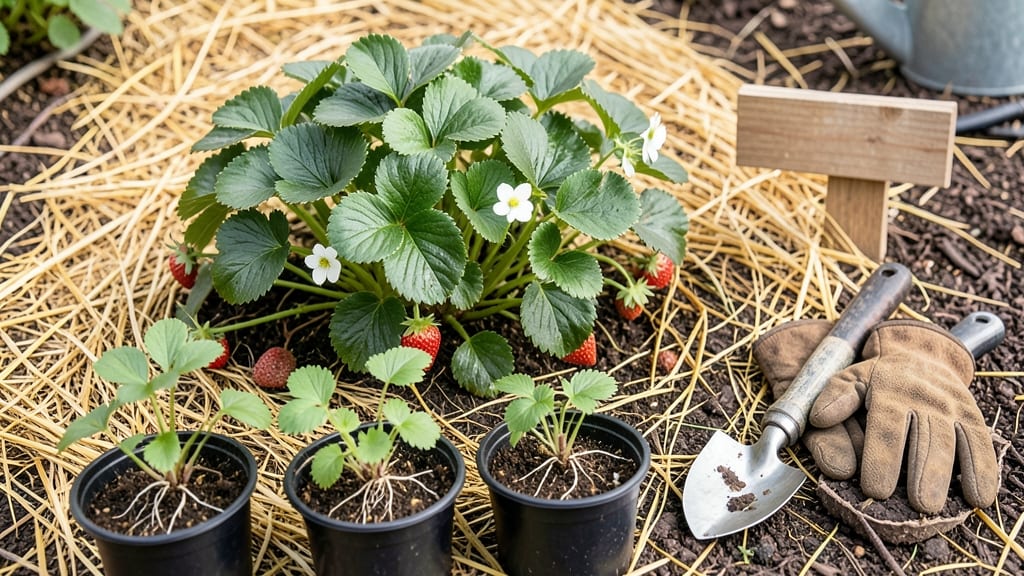
Timing your strawberry planting in Texas can make or break your harvest—get it wrong, and you’ll either lose plants to frost or watch them struggle under scorching heat. The best window isn’t one-size-fits-all, but knowing your region’s frost dates and soil temps is the key to juicy, homegrown 🍓 success.
North Texas gardeners should plant in early spring (February-March) to avoid late frosts, while South Texas can start as early as December—but heat-tolerant varieties are a must. I’ll break down the exact months for your area and share pro tips to extend your harvest season.
You don’t need a green thumb to grow strawberries—just the right timing. We’ll cover soil prep, variety selection, and how to protect plants from Texas’s unpredictable weather. Let’s get those berries thriving!
From frost warnings to summer heat waves, I’ll show you how to plant strawberries so you’re harvesting sweet, ripe fruit all season long. Ready to turn your Texas garden into a berry paradise?
Optimal Texas strawberry planting windows by month: avoid frost and heat stress
Texas stretches across multiple USDA hardiness zones, from Zone 6a in the Panhandle to Zone 10a in the Rio Grande Valley. This diversity means North Texas gardeners face frost risks while South Texas growers battle scorching summer heat.
The key to success? Planting strawberries when soil temperatures hit 45°F-55°F for germination and avoiding 90°F+ days during fruiting.
For most of Texas, late winter to early spring (February through March) is prime time, but timing shifts 1-2 months depending on your region.
In North Texas, aim for February to beat the first frost (typically mid-March), while South Texas can plant as early as December or stretch into April for fall harvests. Let’s break it down by month and zone.
🌱 Soil temperature is your best guide: Use a soil thermometer to confirm 50°F+ before planting. Strawberries won’t germinate in cold soil, and heat stress above 85°F stunts growth. In Central Texas, this usually means March for spring plantings, with September ideal for fall varieties.
| Region | Best Planting Months | Soil Temp Requirement | Frost Risk | Heat Risk |
|---|---|---|---|---|
| North Texas (Zones 7b-8a) | February-March | 50°F+ | High (March) | Moderate (June-August) |
| Central Texas (Zones 8a-8b) | March-April or September | 55°F+ | Low (occasional) | High (July-August) |
| South Texas (Zones 9a-10a) | December-January or September-October | 60°F+ | None | Extreme (May-September) |
| Panhandle (Zones 6a-7a) | Late March-April | 50°F+ | Very High (April) | Moderate (June-July) |
In North Texas, where frost lingers until mid-March, I recommend bare-root plants in February for an early harvest. Use row covers if nights dip below 32°F to protect tender foliage. For Central Texas, March is ideal, but September plantings can yield fall berries before winter sets in.
South Texas gardeners have the luxury of two planting windows: December-January for spring harvests and September-October for winter berries. However, summer heat (June-August) is brutal—strawberries need shade cloth or drip irrigation to survive temperatures above 90°F. Varieties like Chandler or Seascape handle heat better than Albion or Chileno.
Pro tip: Test your soil’s pH before planting—strawberries thrive in 5.5-6.5. In South Texas, where soil can be alkaline, amend with sulfur or peat moss to create the perfect acidic bed. North Texas soils often need compost to improve drainage, as clay-heavy soil can suffocate roots.
If you miss the ideal window, don’t panic! June-bearing varieties planted in late summer (August) can still produce a small fall crop, though yields will be lower. Just mulch heavily with straw or pine needles to retain moisture and water deeply twice weekly to combat Texas heat stress.
For container growers, timing is flexible—just ensure pots are in full sun and soil stays consistently moist
Optimal Texas strawberry planting windows by month: avoid frost and heat stress
Texas stretches from USDA Zone 6a in the Panhandle to Zone 9b along the Gulf Coast, meaning frost dates and heat thresholds vary wildly. In North Texas (Zones 7-8), your last frost typically arrives by mid-March, while South Texas (Zones 9-10) rarely sees frost at all.
Planting too early risks frost damage, but delaying too long means summer heat stunts fruiting—aim for that sweet spot where soil warms to 60-70°F.
For June-bearing varieties (like Chandler), the ideal window is October-November for fall planting or February-March for spring. Ever-bearing types (Seascape, Alpine) handle heat better, so they can go in September-October or February. Soil temperature matters more than air temperature—use a soil thermometer to confirm readiness before planting.
| Region | Best Planting Months | Soil Temp Goal | Frost Risk |
|---|---|---|---|
| North Texas (Zones 7-8) | Feb-Mar (spring) or Oct-Nov (fall) | 60-70°F | High (last frost: Mar 15) |
| Central Texas (Zones 8-9) | Sep-Oct or Feb-Mar | 65-75°F | Low (occasional frost) |
| South Texas (Zones 9-10) | Sep-Oct or Jan-Feb | 70-80°F | None |
In North Texas, prioritize fall planting (October-November)—plants establish roots before winter, then fruit in spring when days lengthen. Central Texas gardeners can stretch harvests by planting ever-bearing varieties in September for fall fruit and June-bearing in February for spring. South Texas offers year-round potential: plant September-October for winter harvests or January-February for spring.
Watch for heat stress signs like yellowing leaves or blossoms dropping—these mean it’s too hot. Shade cloth (30%) can help during peak summer, but focus on morning sun exposure to prevent scorching.
Mulch with straw or wood chips to keep roots cool and retain moisture, especially in Zone 9+ where evaporative loss is high.
Pro tip: Bareroot plants (sold dormant) need 4-6 weeks to establish before heat hits, so time your purchase accordingly. Bare-root strawberries planted in late winter (Feb) will outperform container-grown ones in spring due to stronger root systems. Always soak roots for 1-2 hours before planting to reduce transplant shock.
Remember, Texas strawberries thrive with consistency—whether it’s cool mornings in North Texas or hot afternoons in South Texas, the key is adapting varieties and care to your microclimate. Start with Chandler or Seascape for beginners—they’re heat-tolerant and disease-resistant, making them Texas-friendly superstars.