
Plants
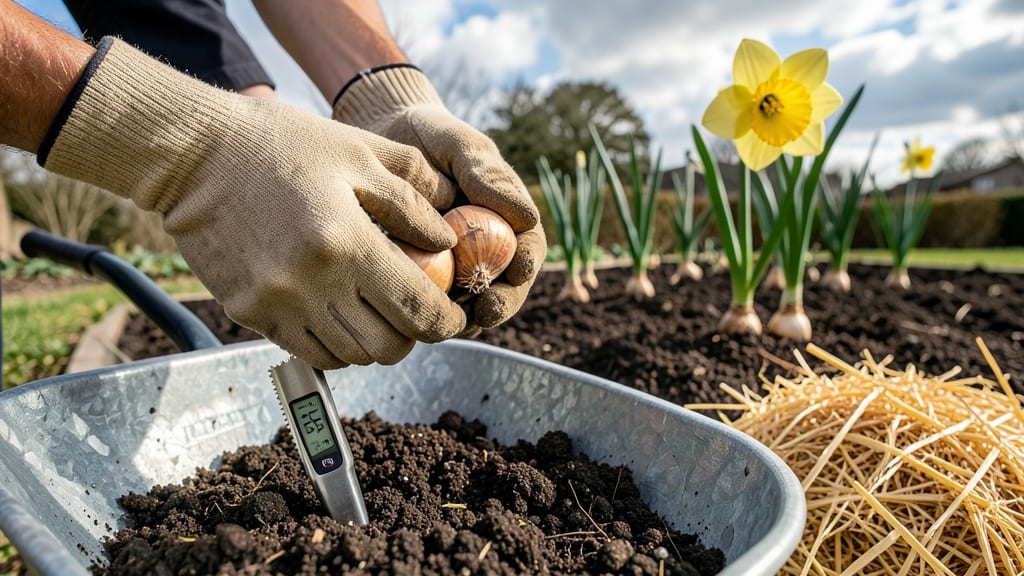
Planting daffodils in Tennessee at the wrong time could mean missing out on those cheerful 🌼 blooms next spring—because timing matters more than you might think. The ideal window for planting these hardy bulbs falls between October and November, when the soil has cooled but hasn’t frozen yet.
This 6-8 week lead-up to winter helps roots establish before dormancy, setting the stage for vibrant flowers in March or April.
Here’s the catch: Tennessee’s USDA Zones 6a-7b create microclimates where frost dates shift by weeks. In the cooler mountain regions, you might need to plant as early as late September, while the warmer western areas can wait until mid-November.
Getting this wrong—planting too soon and risking frost damage, or too late and delaying root growth—can turn your spring garden dreams into disappointment.
Don’t stress over perfect timing, though. Even if you miss the ideal window, daffodils are forgiving. Planting in September or December still works, but you’ll need to adjust for soil conditions and mulch protection.
The key is understanding how your local climate plays into the process, and I’ll walk you through exactly what to watch for in Tennessee’s variable weather patterns.
Ready to transform your yard into a sea of 🌼 daffodils? Let’s break down the zone-specific steps, soil prep secrets, and pro tips to ensure your bulbs thrive—no matter where in Tennessee you’re planting. Your spring color palette starts with this one decision.
Best planting months for Tennessee daffodils by USDA hardiness Zone
Tennessee’s USDA Zones 6a-7b offer ideal conditions for daffodils, but the perfect planting window varies by location. In Zone 6a (eastern Tennessee), aim for mid-October—just before the first frost. Meanwhile, Zone 7b (west and middle Tennessee) gardeners have until early November to plant.
Daffodils need 6-8 weeks of cool soil before winter to establish roots. If you plant too early, bulbs may rot; too late, and they won’t bloom in spring. Use your last frost date as a guide: count back 6-8 weeks for the ideal window.
For example, in Nashville (Zone 7a), the last frost typically falls on March 15, so plant bulbs between October 15 and November 1. In Chattanooga (Zone 7b), extend your window to November 15 due to milder winters.
Soil temperature is critical—wait until the ground cools to 50-60°F (10-15°C). Use a soil thermometer to check, especially in warmer microclimates like urban areas where heat lingers.
Missed the fall window? Late winter planting (February) is possible, but blooms may be delayed. Daffodils planted in late fall or early winter often produce larger, healthier blooms the following spring.
| USDA Zone | Ideal Planting Window | Soil Temp Requirement | Frost Risk |
|---|---|---|---|
| 6a (e.g., Bristol) | Mid-October to late October | 50-60°F (10-15°C) | High (first frost ~Oct 15) |
| 7a (e.g., Nashville) | October 15 to November 1 | 50-60°F (10-15°C) | Moderate (first frost ~Oct 30) |
| 7b (e.g., Memphis, Chattanooga) | October 30 to November 15 | 50-60°F (10-15°C) | Low (first frost ~Nov 15) |
In Zone 6a, where winters are colder, prioritize early October planting to avoid frost damage. Use mulch (3-4 inches) after planting to insulate bulbs. In Zone 7b, you can plant later but monitor soil moisture
Pro tip: Layer mulch in stages—apply 2 inches after planting, then add 1 more inch after the first frost. This protects bulbs without suffocating them. Avoid organic mulches like fresh grass clippings, which can mat down and trap moisture. For container gardening in Tennessee, plant daffodils in October or early November regardless of zone. Containers freeze faster, so use insulated pots or move them to a sheltered location. Daffodils in pots often bloom 2-3 weeks earlier than in-ground plants. Missed the fall window? Late winter planting (February) is possible, but blooms may be delayed. Daffodils planted in late fall or early winter often produce larger, healthier blooms the following spring. If you’re late, focus on soil prep—amend with compost and ensure well-draining soil to compensate. Remember: Daffodils are hardy but not frost-proof. In Zone 6a, cover newly planted beds with straw or leaves if an early frost is forecasted. In Zone 7b, mulch is usually sufficient unless temperatures drop below 20°F (-7°C).
Best planting months for Tennessee daffodils by USDA hardiness Zone
Tennessee spans USDA Zones 6a-7b, giving gardeners a 6-8 week window each fall to plant daffodils. The key is timing bulbs 6-8 weeks before the first frost, which typically hits mid-October in most regions.
For Zone 6a (eastern Tennessee), aim for early October, while Zone 7b (west Tennessee) can wait until late October or early November.
Daffodils need 40-50°F soil temperatures to root before winter dormancy. Use a soil thermometer to check—plant when temps consistently stay below 60°F at 6-inch depth.
This usually aligns with late September to mid-November, depending on your microclimate. Mountain regions (like the Smokies) may need earlier planting due to colder soils.
Missed the fall window? December planting is risky but possible in Zone 7b with heavy mulch (4-6 inches). Bulbs planted after mid-November may not establish roots before freezing. For Zone 6a, December planting is not recommended—wait until next fall instead.
| Zone | Ideal Planting Window | Soil Temp Goal | Frost Deadline |
|---|---|---|---|
| 6a (East TN) | Early October | 40-50°F | Mid-October |
| 7a (Middle TN) | Late October | 40-50°F | Early November |
| 7b (West TN) | Early November | 45-50°F | Mid-November |
Pro tip: Plant daffodils deeper in colder zones (6 inches deep in Zone 6a vs. 4-5 inches in Zone 7b). This adds extra insulation against freeze-thaw cycles. For containers, use black pots to absorb heat and plant bulbs by mid-October—they warm up faster than garden soil.
After planting, water deeply once to settle soil around bulbs, then mulch with 2-3 inches of straw. This protects roots from temperature swings and early spring frosts. In Zone 6a, add 4-6 inches of mulch for extra frost protection during winter.
Daffodils planted at the right time will reward you with bold blooms by March or April, often 2-3 weeks earlier than late-planted bulbs. Mark your calendar now—October is the magic month for Tennessee gardeners! 🌼