
Plants
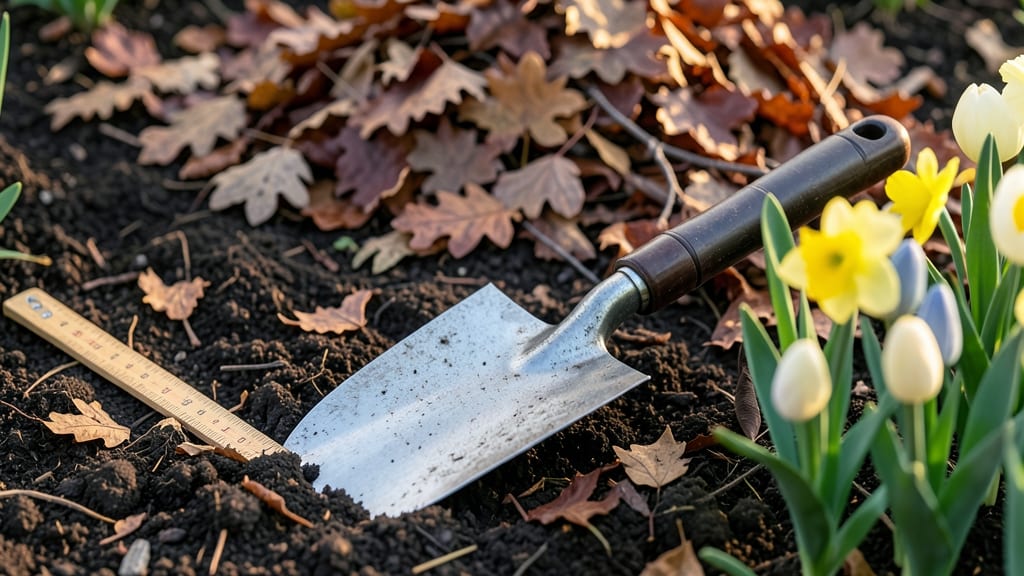
If you’ve ever wondered when to plant bulbs in Zone 7B and still ended up with weak or sparse blooms, timing is likely the culprit.
The key to vibrant spring flowers like tulips and daffodils lies in planting them at the right moment—4-6 weeks before the ground freezes—so they can establish roots before winter’s chill sets in.
In Zone 7B, that sweet spot falls between mid-October and early November, when soil temperatures dip but haven’t yet locked up. Planting too early risks rotting bulbs, while waiting too long means they won’t anchor deeply enough to thrive.
The goal? Give your 🌷 spring flowering bulbs enough time to grow roots while avoiding the harshest winter conditions.
This guide breaks down the exact window, soil prep tips, and how to adjust for Zone 7B’s microclimates—so you can skip the guesswork and enjoy a burst of color come spring. Let’s get those bulbs in the ground the right way.
Whether you’re a first-time gardener or a seasoned pro, mastering this timing will transform your garden. Ready to learn the game-changer for healthy, blooming bulbs?
Ideal fall planting window for zone 7B bulbs (with exact months)
In Zone 7B, the perfect window for planting spring-blooming bulbs like tulips and daffodils is 6-8 weeks before your first hard frost—typically mid-September to early November. This timing ensures bulbs establish roots before winter dormancy. Miss this window, and you risk weak growth or rot.
Zone 7B’s average last frost date is around November 15, so aim to plant by late October for most bulbs. Soil temperature is your best guide: bulbs need 60°F soil to start rooting. Use a soil thermometer to confirm readiness.
For early bloomers like crocus or snowdrops, plant as early as late August—they need extra time to root. Late bloomers like tulips can wait until early November, but avoid planting after the ground freezes.
🌱
| Bulb Type | Ideal Planting Window | Soil Temp Requirement | Notes for Zone 7B |
|---|---|---|---|
| Tulips | Late October–Early November | 55–60°F | Plant deep (6–8") for stability |
| Daffodils | Mid-October–Mid-November | 50–55°F | Tolerates wetter soil; great for shady spots |
| Hyacinths | Late September–Early October | 60–65°F | Needs well-draining soil; avoid soggy areas |
| Crocus | Late August–September | 50–55°F | Early bloomer; plant shallow (3–4") |
Zone 7B’s humid climate means bulbs can rot if planted too early. Wait until soil is cool but workable—usually after Labor Day. If your area has early frosts (like the Appalachians), plant by mid-October to avoid winter stress.
For summer-blooming bulbs like dahlias, wait until late spring (after last frost) when soil reaches 60°F. These bulbs need warmth to sprout, so fall planting isn’t ideal—they’ll rot before spring.
Pro tip: Label your bulbs after planting! Zone 7B’s mild winters can blur planting rows, and you’ll want to remember where tulips meet daffodils next spring. Use biodegradable markers for easy cleanup.
🌿
If you’re in a warmer microclimate (like near the coast), extend planting into early December. Conversely, higher elevations may need bulbs in the ground by mid-October. Always check your local frost dates—they can vary by 1–2 weeks even within Zone 7B.
After planting, mulch with 2–3 inches of straw or shredded leaves to insulate bulbs and retain moisture. This is critical in Zone 7B, where winters can dip below 20°F—mulch prevents heaving (bulbs pushing out of soil) and keeps roots stable.
✂️
Ideal fall planting window for zone 7B bulbs (with exact months)
In Zone 7B, the perfect window for planting spring-flowering bulbs like tulips and daffodils is 6-8 weeks before your area’s first hard frost. For most of Zone 7B, this means mid-September through early November, with late October being the sweet spot.
This timing ensures bulbs establish roots before winter dormancy while avoiding the soil rot risk of early planting.
Your Zone 7B frost dates typically range from November 15 (last frost) to March 1 (first frost). Aim to plant bulbs 4-6 weeks before the ground freezes—usually by October 15 in most areas.
Check your local USDA frost map for precise adjustments, as microclimates (like urban heat islands) can shift timing by 1-2 weeks.
🌱 Zone 7B Bulb Planting Summary
| Bulb Type | Ideal Planting Month | Depth (inches) | Spacing |
|---|---|---|---|
| Tulips | Late October | 6-8" | 4-6" apart |
| Daffodils | Mid-October | 6-8" | 6" apart |
| Hyacinths | Early November | 6" | 4-5" apart |
| Crocus | September-October | 3-4" | 3" apart |
💡 Pro Tip: Use a soil thermometer—plant when soil temps hit 60°F for consistent root growth.
Soil temperature is critical in Zone 7B’s humid climate. Bulbs need 60-65°F soil to start rooting. If you plant too early (e.g., September), bulbs may rot in warm, wet soil.
Wait until late October for most areas, or use a soil thermometer to confirm readiness. In cooler microclimates (like higher elevations), you can plant as late as early November.
Adjust for bulb types: Tulips and hyacinths prefer cooler soils, so plant them 2 weeks earlier than daffodils. Daffodils, being more drought-tolerant, can handle slightly later planting (up to mid-November in mild Zone 7B pockets). Always plant in clusters of 5-7 bulbs for dramatic spring displays.
Missed the fall window? Spring planting is possible for summer-blooming bulbs like dahlias or gladiolas, but spring-flowering bulbs (tulips, daffodils) won’t bloom reliably if planted in spring. For Zone 7B’s mild winters, focus on fall—it’s the only reliable time for vibrant spring blooms.
After planting, mulch with 2-3 inches of straw or shredded leaves to insulate bulbs from freeze-thaw cycles. This is especially important in Zone 7B, where winter temps fluctuate between 20°F and 50°F. Mulch also suppresses weeds and retains moisture for early root growth.