
Plants
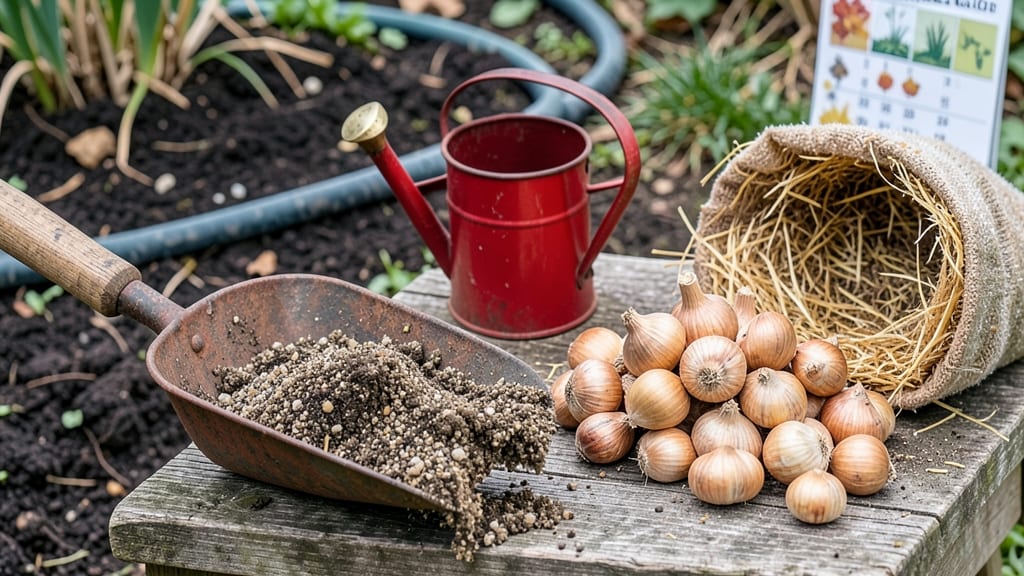
Planting your daffodil bulbs 🌼 at the wrong time in Northern California could mean waiting another year for those cheerful blooms - and nobody wants that!
The key isn't just picking a month from the calendar, but understanding how your local microclimate and elevation zone create the perfect window for success.
Whether you're in the Bay Area's milder coastal zones or the cooler mountain regions, timing matters more than you might think. I'll walk you through exactly when to plant based on your specific location, so you can enjoy vibrant spring blooms year after year without guessing games.
We'll cover the ideal fall planting window for your area, plus how to prepare your soil and what to watch for in terms of frost dates. With these local insights, you'll know exactly when to get those bulbs in the ground for maximum success.
Don't let another season pass without beautiful daffodils brightening your landscape - let's get you planting at the perfect moment for your Northern California microclimate.
Northern California daffodil planting calendar by elevation zones
Northern California's diverse geography—from coastal fog belts to high mountain valleys—creates wildly different planting conditions for daffodils. Elevation and microclimates dictate your ideal window, with soil temperature being the ultimate decider.
Coastal areas (0-1,000ft) can plant later, while Sierra foothills (3,000+ft) need earlier action to avoid frost damage. Let's break it down by zone so you can plant with confidence.
Your first step is checking your local frost dates. Most of Northern California experiences its first hard frost between December 15 and January 15, but coastal areas like San Francisco may see frost as late as January 30.
Plant daffodil bulbs 4-6 weeks before your area's average first frost date to give roots time to establish before winter sets in.
Soil temperature is critical—daffodils need 50-60°F soil to sprout properly. Use a soil thermometer ($10 at garden centers) to verify. Coastal regions hit this threshold in late October to November, while inland valleys may need to start in mid-October.
Mountain areas (3,000+ft) should plant by early October to avoid winter dormancy issues.
| Elevation Zone | Planting Window | Soil Temp Goal | Key Consideration |
|---|---|---|---|
| Coastal (0-1,000ft) | Late October - December | 50-60°F | Fog delays frost; monitor soil temps |
| Foothills (1,000-3,000ft) | Mid-September - November | 50-60°F | Earlier frost risk; plant by October 15 |
| Mountain (3,000+ft) | Early September - October | 45-55°F | Short growing season; plant ASAP |
For coastal gardeners (San Francisco, Santa Cruz, Monterey), aim for late October to November planting. The marine layer keeps soils cooler longer, so don't rush—wait until soil temps consistently reach 50°F at 4" depth.
In urban heat islands like Sacramento or Stockton, plant by mid-October to avoid summer heat stress on emerging shoots.
If you're in rural or mountain areas (Shasta, Tahoe, Sierra foothills), start planting by early September. These zones have earlier frosts and shorter growing seasons. Use black plastic mulch to warm soil if needed, but avoid planting too early—daffodil bulbs can rot in cold, wet soils.
Pro tip: Northern California's USDA zones range from 7b to 9a, but elevation trumps zone designations. A 3,000ft elevation in Napa Valley behaves more like USDA Zone 6 than 9a. Always check your specific microclimate—your neighbor's yard might have a 10°F temperature difference!
For container gardening, adjust timing by 2-3 weeks later than in-ground planting. Pots dry out faster and cool quicker. Use heat-retaining containers (terracotta, ceramic) and place them in protected microclimates (against south-facing walls) to extend your planting window by 1-2 weeks.
Remember: Daffodils planted in January (even in mild zones) rarely bloom well—they need 6-8 weeks of root growth before winter dormancy. If you miss fall planting, hold off until next fall rather than forcing a weak January plant.
🌼 Use the UC Master Gardener frost calendar for your county to pinpoint exact dates—it's your best local resource. Happy planting!
Best months for planting daffodils in Northern California’s microclimates
Northern California’s diverse landscapes—from the coastal fog belts to the Sierra foothills—create wildly different planting windows for daffodils. While most gardeners aim for fall planting, your exact timing depends on whether you’re in San Francisco’s chilly coastal zone or Sacramento’s warmer inland valleys.
Even a 50-mile difference can shift your ideal window by 2-3 weeks.
In the Bay Area and coastal regions (USDA zones 8-9), you can plant daffodil bulbs as early as late September—sometimes even into early October—thanks to milder winters. However, inland areas like Sacramento and Stockton (zones 7-8) need to wait until mid-October to avoid frost damage.
Mountainous regions above 3,000 feet should delay until November to ensure bulbs root before winter sets in.
Here’s how rainfall patterns and urban heat islands further complicate timing. Coastal areas receive consistent winter rains, which can soften soil too early—planting in September risks rot if bulbs sit in soggy ground.
Meanwhile, cities like Oakland or Berkeley experience microclimates where pavement retains heat, allowing slightly earlier planting than rural areas just 10 miles inland.
🌼
- 🌊 Coastal (SF, Marin, Sonoma) Late Sept–Early Oct
- 🏙️ Inland Cities (Sacramento, Oakland) Mid-Oct–Early Nov
- 🏔️ Foothills (3,000–5,000ft) Late Oct–Nov
- ❄️ High Elevations (5,000+ft) Nov–Early Dec
For gardeners in Northern California’s wine country or Redwood Coast, I recommend checking the UC Master Gardener frost maps—these tools show historical frost dates down to the neighborhood level.
A general rule: plant bulbs 4-6 weeks before your area’s average first frost. For example, Santa Rosa’s frost date often falls around December 15, so aim for mid-November planting.
If you miss the fall window, spring planting is possible but risky. Bulbs planted in January or February may not establish strong roots before summer heat arrives. For spring planting to work, choose shady, moist sites and water deeply every 5–7 days until bulbs bloom.
However, fall-planted daffodils consistently produce larger, healthier blooms the following spring.
Pro tip: Mark your calendar for early December—this is when bulb catalogs often drop their last shipments for the season. Order early to secure your favorite varieties, especially tiger-stripe daffodils or poeticus types, which sell out fast in Northern California nurseries.