
Plants
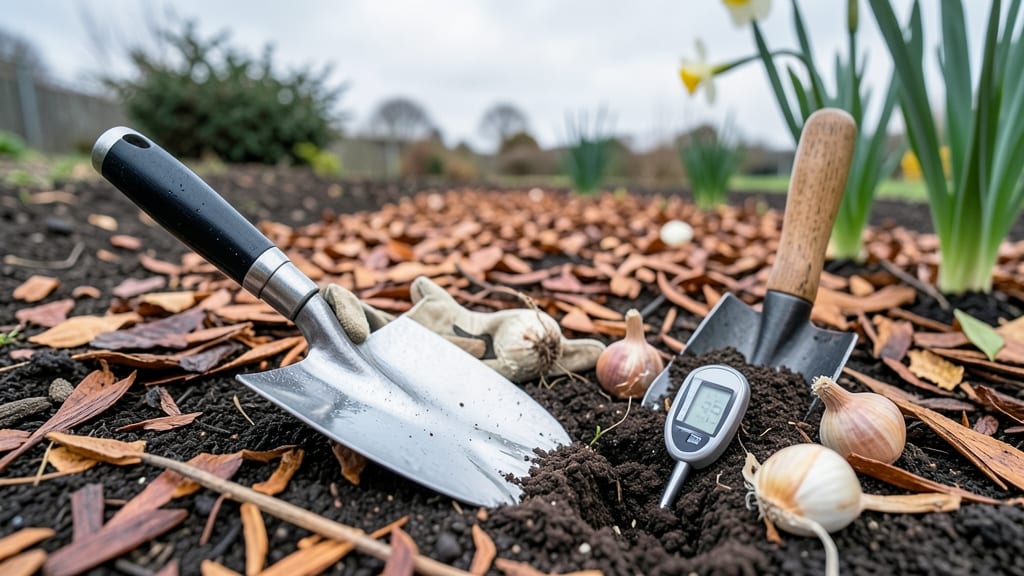
Planting daffodil bulbs in Georgia at the wrong time could mean watching your investment rot in the ground before spring arrives. With Georgia's USDA Zones 7b-8b climate, timing isn't just important—it's the difference between a stunning spring display and wasted effort.
Most gardeners in your area know fall is the ideal season for planting daffodil bulbs 🌼, but the exact window matters more than you might think. We're talking about October through November, specifically 4-6 weeks before your first frost—typically around mid-November.
This timing gives bulbs enough time to establish roots before winter sets in.
Why does this matter so much? Because daffodils need that root development period to survive Georgia's winter chill. Plant too early, and they'll start growing when they shouldn't. Plant too late, and they won't have time to anchor themselves before the ground freezes.
In this guide, I'll show you exactly how to time your planting for zero-frost success, including soil prep tips and how to adjust for Georgia's microclimate variations. Let's get those bulbs in the ground at the perfect moment so you can enjoy vibrant blooms next spring.
Optimal planting window for Georgia’s USDA Zones 7b-8a: exact dates and soil conditions
In Georgia’s USDA Zones 7b-8a, daffodil bulbs need 6 weeks of cool soil temperatures (50–60°F) to establish roots before winter dormancy. This translates to a mid-October to early November planting window—just before the first frost, which typically hits around November 15 in most of the state.
For example, in Atlanta (Zone 7b), aim to plant by October 20, while Savannah (Zone 8a) gardeners have until November 5. These dates align with soil temperatures dropping below 60°F, signaling bulbs to focus on root growth rather than sprouting too early.
Missed the fall window? Spring planting is possible in Georgia, but bulbs may bloom 2–4 weeks later and require extra care to prevent rot in wet soil. Spring planting works best if done by February 15, giving bulbs time to root before summer heat arrives.
| Key Factor | Georgia-Specific Details | Actionable Tip |
|---|---|---|
| Soil Temperature | 50–60°F (ideal for root growth) | Use a soil thermometer to confirm readiness. |
| First Frost Date | Mid-November (varies by region) | Plant 4–6 weeks before frost for best results. |
| Moisture Level | Well-drained, slightly moist | Water deeply after planting; avoid soggy soil. |
| Planting Depth | 6–8 inches deep (2x bulb height) | Use a trowel for precision in clay-heavy Georgia soil. |
| Spring Planting Deadline | February 15 (high risk of rot) | Choose dwarf varieties for better success. |
Georgia’s clay-heavy soils can delay drainage, so amend planting areas with compost or sand to prevent bulb rot. Test soil moisture by squeezing a handful—if it forms a tight ball, wait 2–3 days before planting. Overly wet conditions in late fall can suffocate bulbs before they root.
Pro tip: Plant daffodils after daylilies or hostas in your garden beds. These perennials finish their top growth by late summer, leaving room for bulb planting without disturbing their roots. This also mimics natural woodland conditions where daffodils thrive.
If you’re in north Georgia (Zone 7b), like in the Blue Ridge Mountains, account for earlier frosts (as soon as October 30) by planting 2 weeks earlier than coastal areas. Use mulch (3–4 inches of straw) to insulate bulbs and regulate soil temperature through winter.
For container gardening in Georgia, use fast-draining pots with terracotta or fabric liners to mimic well-drained soil. Plant bulbs in October and move containers to a sheltered location (like a garage) if temperatures drop below 30°F for more than 24 hours.
Remember: Daffodil bulbs need 6–8 weeks of cool weather to establish roots before winter. Planting too late (after November 15) risks shallow roots, leading to weak spring blooms or no flowers at all.
Mark your calendar and set a reminder—Georgia’s unpredictable fall weather can turn a perfect planting day into a muddy mess in hours!
Optimal planting window for Georgia’s USDA Zones 7b-8a: exact dates and soil conditions
Georgia’s USDA Zones 7b-8a offer a narrow but critical window for planting daffodil bulbs—typically between mid-October and early November. This timing ensures bulbs establish roots before winter’s chill sets in, ideally 4-6 weeks before the first frost.
For Georgia, that usually lands between October 15 and November 15, but adjust based on your local frost dates.
In Zone 7b, where frost hits earlier, aim for planting by October 20 to give bulbs time to root. Meanwhile, Zone 8a gardeners have until November 10 or later.
Check your local National Weather Service for precise frost predictions—this small adjustment can mean the difference between thriving blooms and wasted bulbs.
Soil temperature is just as critical as dates. Daffodils need 50–60°F soil to root properly. In Georgia, soil temps drop below this threshold by mid-November, so don’t wait too long. Use a soil thermometer to confirm—planting too early in warm soil can trigger premature sprouting, leaving bulbs vulnerable to frost damage.
| Zone | Ideal Planting Window | Soil Temp (°F) | Key Consideration |
|---|---|---|---|
| 7b | October 15–25 | 50–60°F | Frost risk by November 1 |
| 8a | October 25–November 10 | 55–65°F | Warmer soil delays rooting |
| Both | Avoid after November 15 | Below 50°F | Bulbs won’t root in time |
Moisture matters just as much as timing. Plant bulbs in well-draining soil that’s moist but not soggy. Georgia’s clay-heavy soils can trap water, leading to rot, so amend with compost or sand if needed.
Water deeply after planting to settle the soil around bulbs, then maintain consistent moisture until the ground freezes. Avoid overwatering—daffodils hate soggy roots.
Pro tip: If your fall is unusually warm, delay planting until late October to prevent bulbs from sprouting too soon. Conversely, if an early frost is forecasted, plant by mid-October even if soil temps are ideal. Flexibility is key—Georgia’s weather doesn’t follow a script!
Once planted, mulch with 2–3 inches of straw or pine needles to insulate bulbs from temperature swings. This extra layer helps protect roots during freeze-thaw cycles, which are common in Georgia’s transitional seasons. Remove mulch in early spring to allow sunlight to reach emerging foliage.