
Plants
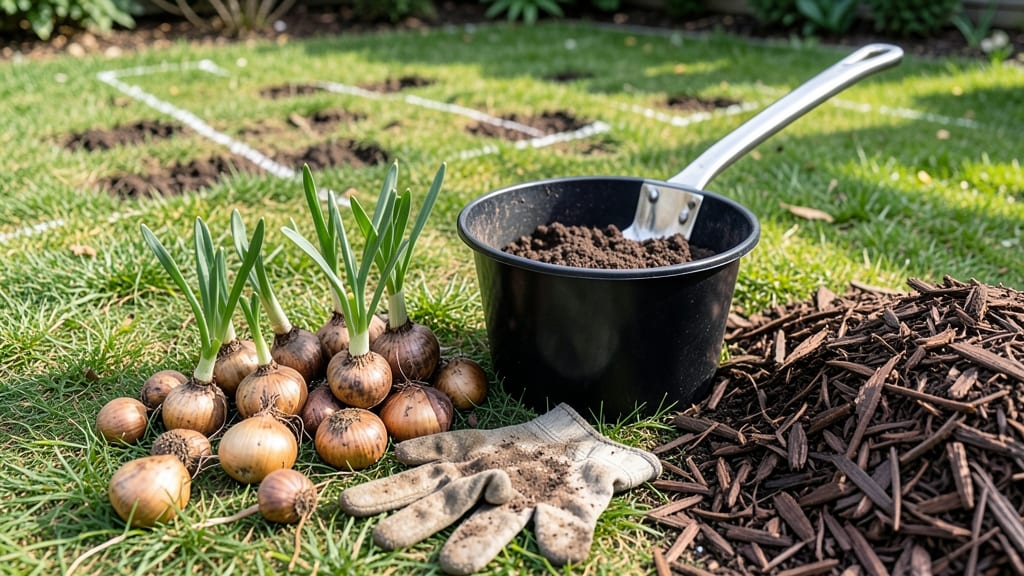
Timing your daffodil bulb planting in Seattle could mean the difference between a burst of cheerful 🌼 blooms next spring and a sad, frost-nipped disappointment.
The Pacific Northwest’s damp, chilly fall makes getting this right absolutely critical—plant too early, and your bulbs might rot; too late, and they’ll miss the window to establish roots before winter.
Here’s the secret: Seattle’s USDA Zone 8a climate gives you a narrow but sweet 4-6 week window in late fall, typically between October and November.
This isn’t just about avoiding frost—it’s about giving your daffodils the perfect head start so they can push through Seattle’s famously wet winters and reward you with vibrant color by April.
I’ll walk you through exactly when to plant for zero-frost success, how to prep your soil for Seattle’s unique conditions, and which varieties handle our rainy climate best.
Whether you’re a seasoned gardener or a first-timer with a sunny patch in your backyard, these tips will help you nail the timing every time.
Let’s get your daffodils in the ground at the perfect moment—so you can enjoy their bright faces peeking through the mud by spring. You’ll be glad you didn’t guess!
Seattle’s ideal planting window for daffodil bulbs (with frost-free guarantees)
Seattle’s USDA Zone 8a/8b climate creates a narrow but critical window for planting daffodil bulbs. Unlike warmer regions, timing here hinges on avoiding early November frosts while ensuring bulbs establish roots before winter dormancy.
The sweet spot? Mid-October to early November, when soil temps hover between 50–60°F—perfect for root growth without premature frost risk.
Why this window? Daffodils need 4–6 weeks of root development before ground freezes. Plant too early (September), and bulbs may sprout prematurely, only to be nipped by Seattle’s infamous November chill.
Plant too late (December), and they’ll struggle to anchor before winter. Think of it as a frost-free race against time.
Seattle’s first-frost average falls around November 15, but microclimates vary. Urban areas like Ballard or West Seattle may frost earlier, while elevated spots in Shoreline stay warmer. Always check WSU Extension’s frost data or local gardeners’ groups for real-time updates.
Here’s the golden rule: Aim to plant 6–8 weeks before your area’s first hard frost. For most of Seattle, that’s early October to mid-November. Use this soil temperature guide to fine-tune: Bulbs thrive when soil is below 60°F but above freezing—ideal for root growth without sprouting.
| Planting Window | Soil Temp | Root Development | Frost Risk |
|---|---|---|---|
| Early October | 55–60°F | Slow but steady | Low (if planted deep) |
| Mid-October | 50–55°F | Optimal growth | Moderate |
| Late October | 45–50°F | Good (if soil drains well) | High after Nov 1 |
| Early November | 40–45°F | Minimal (risky) | Very high |
🌱 Pro Tip: Use a soil thermometer to confirm temps before planting.
Seattle’s rainy fall adds another layer of complexity. Overly wet soil can rot bulbs before they root. Amend clay-heavy soils with compost or sand to improve drainage, and plant in raised beds if your yard stays soggy. Containers also work well for urban gardeners—just ensure pots have drainage holes.
What if you miss the window? Don’t panic. Late November plantings can still work if you use mulch (4–6 inches of straw or leaves) to insulate bulbs. Just expect smaller blooms the first year.
For spring planting, skip it—daffodils won’t bloom until their second year, and Seattle’s short summers won’t give them enough energy.
For container gardening, the rules shift slightly. Pots warm up faster, so you can plant 2–3 weeks later (early November) without frost risk. Just move containers to a protected spot (like a garage or under eaves) if frost is forecasted.
Urban balconies with southern exposure are ideal for this flexibility.
Verify your local frost date using WSU Extension’s Plant Amnesty tool or the National Weather Service’s Seattle forecast. These resources predict first-frost dates with 90% accuracy, helping you adjust your planting timeline.
Pro tip: Plant in batches—start with a few bulbs in early October, then add more in November if the weather cooperates.
Remember, daffodil bulbs are cold-hardy, but they need time to establish roots. The key is balancing root growth with frost avoidance. With Seattle’s 165 frost-free days, you’ve got a short but sweet window—don’t let it slip away!
How to prepare Seattle soil for daffodil bulbs (avoiding common mistakes)
Seattle’s clay-heavy soil and acidic pH can stifle daffodil bulbs if not prepped correctly. Unlike sandy soils, our local dirt compacts easily, trapping moisture that leads to bulb rot—a silent killer in wet climates.
The key? Loosen the earth, improve drainage, and balance pH before planting. I’ve learned this the hard way after watching bulbs fail in soggy soil last November.
Start by testing your soil’s pH level—daffodils thrive in neutral to slightly alkaline soil (6.5–7.0). Seattle’s natural acidity often skews lower, so amend with wood ash or crushed limestone if your test shows pH below 6.5.
Sprinkle ½ cup per square foot and work it into the top 6 inches of soil. Avoid overdoing it, though; too much lime can burn bulbs.
Next, tackle drainage. Daffodils hate soggy feet, and Seattle’s rainy winters make this a real risk. Amend heavy clay by mixing in 3–4 inches of compost or well-rotted manure into the planting area.
For containers, use a blend of 50% potting mix, 30% perlite, and 20% compost to mimic ideal conditions. If your garden sits in a low spot, consider raised beds to prevent winter waterlogging.
Over-fertilizing before planting is a common mistake. Daffodils store energy in their bulbs and don’t need extra nutrients at planting time. Too much fertilizer can burn roots and encourage weak growth. Stick to compost-only amendments now—save fertilizer for early spring when shoots emerge.
When it’s time to plant, dig holes 6–8 inches deep (about 3 times the bulb’s height) and space them 4–6 inches apart. In clay soil, add a handful of sand or grit to the hole bottom to improve drainage.
Place bulbs with the pointy end up—this isn’t just tradition, it ensures proper root development. If you’re unsure which end is up, remember: “Pointy top, roots will pop!”
After planting, mulch with 2–3 inches of straw or shredded leaves to insulate bulbs from freeze-thaw cycles and retain moisture. In Seattle’s wet winters, mulch also prevents soil erosion. Just avoid piling it directly against bulb stems—keep it 2 inches away to prevent rot.
Water deeply after planting to settle the soil, but reduce watering once frost arrives unless we get a dry spell.
Finally, mark your planting spots with biodegradable flags or a garden map. Seattle’s unpredictable fall weather can make it hard to remember where you planted, and you’ll want to avoid disturbing bulbs when spring arrives.
Come March, you’ll thank yourself when those cheerful yellow trumpets break through the mud—proof your soil prep paid off.