
Plants
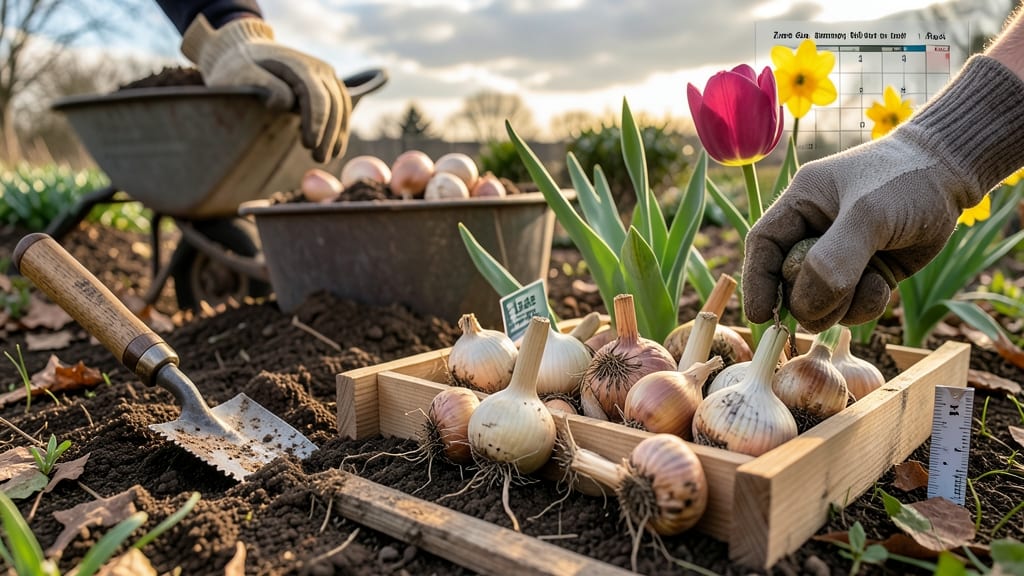
Knowing when to plant bulbs in Zone 6a makes the difference between a garden full of vibrant blooms and one that disappoints. The fall window—typically between September and November—is your best bet, but timing depends on your specific bulb types and frost dates.
Zone 6a’s unpredictable winters demand precision: plant too early, and your bulbs may rot before frost; too late, and they won’t establish strong roots. I’ll break down the exact months for tulips, daffodils, and other favorites, plus how to adjust for early or late frosts.
You’ll also discover how soil temperature (not just calendar dates) dictates success. Whether you’re a first-time gardener or a seasoned pro, these tips will help you avoid common mistakes and ensure your 🌱 bulbs thrive year after year.
Let’s dive into the science-backed strategies that will set you up for a showstopping spring display—without the guesswork.
Optimal planting months for Zone 6A bulbs based on root development needs
In Zone 6A, the key to successful bulb planting isn’t just about the calendar—it’s about soil temperature and root growth timing. Bulbs need 6-8 weeks of cool soil (below 60°F) to establish roots before winter dormancy.
Plant too early, and they’ll rot; too late, and frost stunts their growth. The ideal window is 6-8 weeks before the first hard frost, typically mid-September to mid-November.
For spring planting, aim for 4-6 weeks before your last frost date (usually early March to mid-April in Zone 6A). This gives bulbs time to root before active growth begins. However, spring-planted bulbs often bloom 2-4 weeks later than fall-planted ones.
The trade-off? Spring planting works well for tender bulbs like dahlias or cannas that can’t survive Zone 6A winters.
Here’s the science: Bulbs store energy in their basal plate (the flat bottom). When planted in cool soil, they send out fine root hairs to anchor and absorb moisture. By the time winter arrives, these roots are frost-hardy and can withstand 20-30°F temperatures.
In Zone 6A, where first frosts hit around October 15, this means late September to early November is your sweet spot.
🌱 Zone 6A Bulb Planting Timeline Comparison
| Planting Window | Soil Temp Goal | Root Growth Phase | Frost Risk | Best For |
|---|---|---|---|---|
| Fall (Late Sept–Mid-Nov) | Below 60°F | Root establishment before dormancy | Low (after roots form) | Hardy bulbs (tulips, daffodils, crocus) |
| Spring (Early Mar–Mid-Apr) | Above 50°F | Rapid root + shoot growth | None (post-frost) | Tender bulbs (dahlias, cannas, gladiolas) |
| Avoid: Late Nov–Feb | Frozen soil | No growth possible | High (frost damage) | All bulbs (except spring-planted tender types) |
📅 Pro Tip: Use a soil thermometer to confirm temps—aim for 50-60°F for fall planting.
Zone 6A’s unpredictable frost dates add complexity. While the average first frost is October 15, early frosts can hit as soon as October 1. To hedge your bets, plant early bloomers like crocus in late September and late bloomers like tulips in mid-October.
This staggered approach ensures some bulbs bloom early and others later, extending your spring color show.
Soil type matters too. In clay-heavy soils common to Zone 6A, bulbs can suffocate if planted too deep. Amend the soil with compost or sand to improve drainage.
For sandy soils, add organic matter to retain moisture. The goal? A well-draining, slightly sandy loam that mimics bulbs’ natural habitat in meadows and forests.
Don’t overlook moisture management during planting. Water bulbs deeply after planting to encourage root growth, but avoid waterlogged soil, which causes rot. In Zone 6A’s dry spells, mulch with 2-3 inches of straw to retain moisture.
For wet winters, ensure your planting site has slope or raised beds to prevent soggy conditions.
One common mistake? Waiting until November to plant. By then, roots may not have enough time to establish before winter. Instead, prioritize September and October for fall planting. If you miss the window, hold off until spring—but be prepared for later blooms.
For spring-planted bulbs, start seeds indoors in February to get a jump on the season.
Finally, consider microclimates in your Zone 6A garden. South-facing slopes warm up faster and may allow late October planting, while low-lying areas might need <
Optimal planting months for Zone 6A bulbs based on root development needs
In Zone 6A, the 6-8 week rule is your golden guideline: plant bulbs 6-8 weeks before the first hard frost (typically mid-October in most of Zone 6A). This timing ensures bulbs establish strong roots before winter dormancy, giving them energy to push up vibrant blooms next spring.
For example, if your first frost hits October 15th, aim to plant by early September.
Fall planting is ideal because bulbs need cool soil temperatures (60-65°F) to trigger root growth. In Zone 6A, soil temps drop below this threshold by late October, making September and early October the sweet spot.
Spring planting is also possible, but bulbs must go in 4-6 weeks before your last frost date (usually mid-April), giving them time to root before summer heat arrives.
Here’s the science behind it: Bulbs store energy in their basal plate. When planted in fall, they develop roots that survive winter’s chill and burst into growth when temperatures rise. Missing this window? You risk weak roots or frost damage to tender shoots.
| Planting Window | Zone 6A Dates | Soil Temp | Root Growth Goal |
|---|---|---|---|
| Fall Planting | September 15 – October 15 | 60–65°F | Establish 2–3" roots before frost |
| Spring Planting | March 15 – April 15 | 50–55°F | Root before summer heat stress |
| Late Planting Risk | After October 15 | Below 50°F | Roots freeze; poor survival |
Pro tip: Use a soil thermometer to confirm temps. If your soil is still above 65°F in early October, wait a week or two—root development stalls in warm soil.
For Zone 6A’s shorter growing season, this precision prevents wasted energy and ensures bulbs like tulips and daffodils bloom on cue.
Adjust for your exact location: In northern Zone 6A (e.g., Chicago), plant by September 1st; in southern Zone 6A (e.g., Atlanta), you might squeeze in planting until late October. Check your local frost dates—they’re your planting calendar!
Remember, bulb size matters: Larger bulbs (like garden lilies) need 6-8 weeks of root growth, while smaller ones (like crocus) can handle a 4-6 week window. Plan accordingly to avoid underdeveloped roots next spring.