
Plants
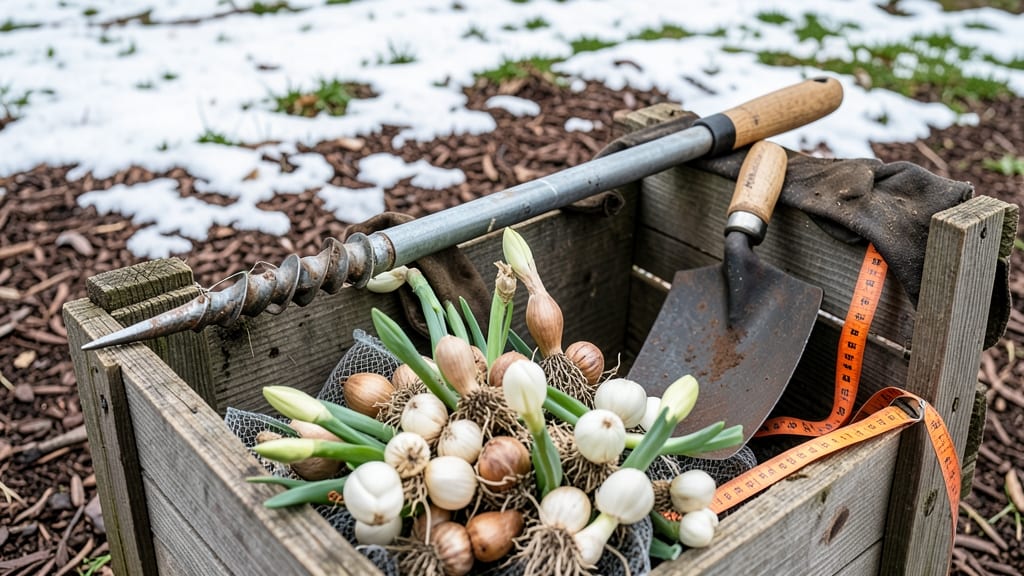
Timing your bulbs (general) 🌷 planting in Colorado isn't just about the calendar—it's about mastering the dance between elevation, frost dates, and your garden's microclimate. Whether you're in Denver's urban heat islands or the high-altitude foothills, getting the window right means the difference between vibrant spring blooms and disappointed gardeners.
Most gardeners know fall is prime time, but did you realize Colorado's USDA zones 5-7 create a 6-week planting window that shifts dramatically between September and November?
I'll break down exactly when to plant for your specific location, so you can avoid the common mistake of planting too early (and risking rot) or too late (and missing the frost window).
What you'll discover isn't just a schedule—it's a system that accounts for Colorado's unpredictable weather. We'll cover how to adjust for early freezes, late springs, and even those tricky high-altitude microclimates where conditions can change 10°F in a single day.
Plus, I'll share my top 5 bulb varieties that thrive here, from cold-hardy daffodils to showstopping alliums.
Ready to transform your Colorado garden into a springtime explosion of color? Let's dive into the exact planting times, soil prep secrets, and elevation-based adjustments that will have your 🌷 bulbs popping up right on schedule—no guesswork required.
Colorado bulb planting calendar by elevation zones (Front Range, foothills, mountains)
Colorado’s dramatic elevation changes mean your planting window for bulbs can vary by 1,000+ feet between neighborhoods. The Front Range (2,500–5,500 ft) has milder winters, while mountain regions (7,500+ ft) face earlier freezes. Understanding your zone ensures bulbs like tulips and daffodils bloom reliably every spring.
For most Coloradans, fall planting (September–November) is ideal, but high-altitude gardeners should start earlier. The key rule: plant bulbs 6–8 weeks before the first hard frost. In Denver (Zone 5), that’s typically mid-October, while Aspen (Zone 4) may need bulbs in the ground by late September.
Spring planting is possible too—just wait until after the last frost (usually mid-April in lowlands, May in mountains). This method works best for summer-flowering bulbs like dahlias or alliums, which tolerate warmer soil.
🌱
In low-elevation zones like Colorado Springs, you can push fall planting later—even into early November—thanks to slower soil cooling. But in high-altitude areas, like near Leadville, soil freezes faster, so late August is your cutoff. Always check local USDA Zone maps (Colorado spans Zones 4–7) for precision.
Pro tip: Use a soil thermometer to confirm ground temps are below 60°F (15°C) before planting fall bulbs. This prevents premature sprouting, which weakens bulbs over winter. For spring planting, wait until soil reaches 50°F (10°C)—warmer soil speeds root growth.
Microclimates matter too. Urban areas like Denver may experience 5–10°F warmer soil temps than rural farms due to the heat island effect. Adjust your schedule by 1–2 weeks later if you’re in the city. Conversely, wind-exposed mountain gardens freeze faster, so plant 2–3 weeks earlier.
Don’t forget summer bulbs like dahlias or cannas, which thrive when planted in late spring (May–June) after all frost risk has passed. These varieties need warmer soil to establish roots before Colorado’s hot, dry summers arrive.
🌿
For container gardening in Colorado, plant bulbs in pots by late September and move them to a garage or cold frame once soil freezes. This extends your window by 2–4 weeks compared to in-ground planting. Just ensure pots have drainage holes to prevent rot in our freeze-thaw cycles.
Finally, mark your calendar for early March in most zones—this is when crocuses and snowdrops often peek through snow, signaling it’s time to stop fertilizing (bulbs need dormancy) and start watering lightly to support spring blooms.
5 Critical factors that determine your exact planting window in Colorado
Colorado’s microclimates and elevation shifts mean your neighbor’s perfect planting time might not work for you. Five key factors dictate when to plant bulbs in your specific backyard—so let’s break them down to avoid missed blooms or wasted bulbs.
First, soil temperature is your best friend. Bulbs need 60°F soil to root before winter sets in. Use a soil thermometer to check—if it’s below 50°F, wait a week or two before planting. In high-altitude areas like Denver or Boulder, this often means starting in mid-October.
Last frost dates vary wildly across Colorado. The Front Range (e.g., Denver) averages April 15, while mountain towns like Leadville can see frost until June 1. For spring planting, wait until two weeks after your local last frost date to ensure no surprise chills.
🌱 Critical Factors for Colorado Bulb Planting
- Soil Temp: Plant when soil is 60°F+ (use thermometer)
- Frost Dates: Fall: 6-8 weeks before first frost; Spring: 2 weeks after last frost
- Elevation: Higher = later planting (e.g., 7,500+ ft → wait until October 15+)
- Snow Cover: Bulbs need 4-6 weeks to root before snow arrives
- Microclimates: Urban areas warm faster than rural zones (plant 2 weeks earlier in cities)
Don’t overlook snow cover duration. Bulbs planted too late may rot under persistent snow. Aim to finish planting 4-6 weeks before your area’s first consistent snowfall. In Grand Junction, this might be early November, while Aspen could push it to mid-November.
Microclimates create another layer of complexity. Urban areas like Colorado Springs often experience "heat islands" that warm soil faster—plant bulbs 2 weeks earlier than rural zones. Conversely, wind-exposed areas (like mountain foothills) may need a later start to protect young roots.
Finally, adjust for early/late seasons. Check your local CoCoRaHS station or Colorado Climate Center for recent trends. If winters have been warmer lately, you might push planting to mid-November safely. For cold snaps, shift earlier to September.