
Planting
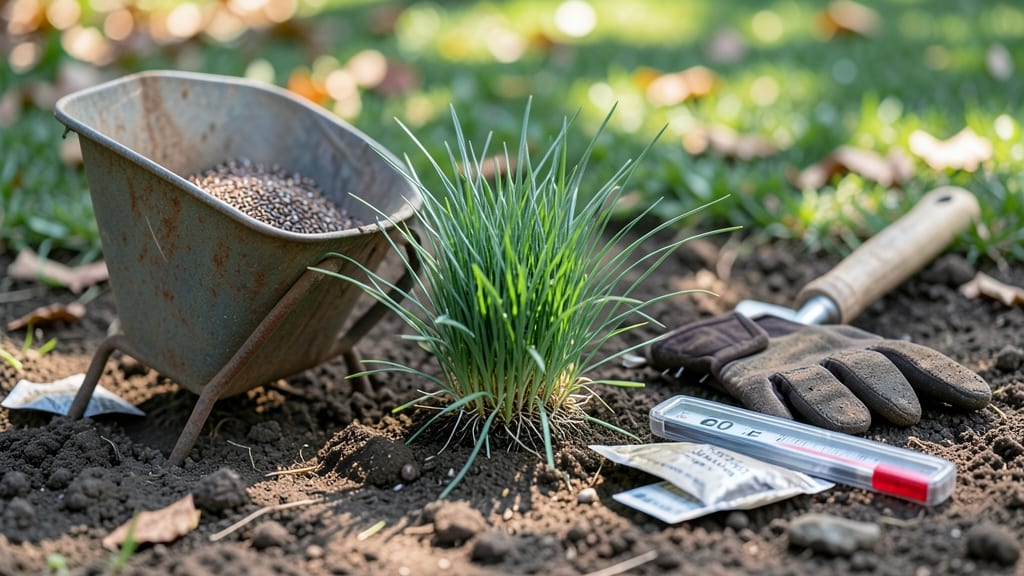
Planting grass (🌱) in spring at the wrong time can mean throwing away money on seeds that never sprout—or worse, watching your lawn struggle for months to take hold. The difference between a lush, green carpet and a patchy disappointment often comes down to two critical factors: soil temperature and your local frost date.
If you've ever stared at a seed packet wondering, "Why isn't this working?" the answer might be simpler than you think. Grass needs the ground to warm up to at least 55°F—any earlier, and the seeds risk rotting in cold, damp soil.
But timing isn't just about heat; it's also about avoiding late frosts that can wipe out tender new shoots.
In this guide, I’ll break down the exact 4-6 week window before your last frost when you should plant, plus how to check soil temperature like a pro.
Whether you're in Zone 6a or another region, you’ll learn the secrets to a lawn that starts strong and stays that way all season.
Ready to skip the guesswork? Let’s get your grass off to the best possible start—without wasting a single seed.
Best spring grass planting dates by US hardiness Zone (soil temp guide)
Planting grass in spring is all about soil temperature and frost-free windows. Cool-season grasses like Kentucky bluegrass and fescue thrive when soil hits 50-60°F, while warm-season types like Bermuda need 65-75°F.
Your USDA zone determines the perfect timing—plant too early, and frost will kill tender sprouts; too late, and summer heat stresses seedlings.
Most gardeners aim for 4-6 weeks before the last frost date, but this varies by region. For example, Zone 3 gardeners should plant in early May, while Zone 10 can start as early as February.
Always check your local frost calendar and soil thermometer readings—these are your best guides.
Here’s a quick reference for cool-season grasses (ideal for Zones 3-7) and warm-season grasses (Zones 8-10), including soil temp thresholds and frost-free windows.
| Zone | Grass Type | Soil Temp (°F) | Planting Window | Last Frost Date |
|---|---|---|---|---|
| 3-4 | Cool-season (Tall Fescue) | 50-60°F | Early May | May 15 |
| 5-6 | Cool-season (Kentucky Bluegrass) | 55-65°F | Late April | April 30 |
| 7-8 | Cool/Warm-season (Ryegrass Mix) | 60-68°F | March-April | March 15 |
| 9-10 | Warm-season (Zoysia/Bermuda) | 65-75°F | February-March | January 31 |
For Zone 6a (like much of the Midwest), aim for late April when soil temps hit 55-60°F. If you’re in Zone 5, wait until early May to avoid frost damage.
In southern states (Zones 8-10), you can plant Bermuda grass as early as February, but avoid late spring plantings—summer heat stresses new seedlings.
Pro tip: Use a soil thermometer to confirm warmth. Bury it 4 inches deep and check readings in the morning. If temps dip below 50°F at night, delay planting until conditions stabilize. Consistency is key—grass seeds need steady warmth to germinate properly.
Regional variations matter too. In Pacific Northwest zones (6-7), cooler springs mean planting Kentucky bluegrass in May, while Southern California (Zone 10) gardeners can sow warm-season grasses in late winter. Always cross-check with your local cooperative extension service for hyper-local advice.
Don’t forget: Cool-season grasses establish faster in spring but go dormant in summer, while warm-season grasses need summer heat to thrive. Choose your grass type based on your climate zone and lawn use—high-traffic areas need dense, durable varieties like tall fescue.
Once you’ve nailed the timing, prep your soil by removing weeds, tilling 2-3 inches deep, and leveling the area. Add a starter fertilizer with high phosphorus (10-20-10 ratio) to encourage root growth. Water lightly after planting to keep seeds moist but not soggy—consistent moisture is critical for germination.
🌱
How to check soil temperature and frost risk before planting grass
Before you rush to plant your spring grass, checking two critical factors—soil temperature and frost risk—can make the difference between a lush lawn and wasted seeds. Cool-season grasses like fescue and ryegrass need soil temps between 50-65°F, while warm-season types like Bermuda prefer 65-75°F.
Planting too early risks frost damage, while waiting too long delays growth.
Start by testing your soil’s warmth with a soil thermometer, inserted 4 inches deep. Early spring often means chilly mornings and warm afternoons, so check temps at 10 AM for consistency.
If your thermometer reads below 50°F, wait—your grass seeds won’t germinate properly in cold soil. For cool-season grasses, aim for 55°F or warmer.
Even if soil temps are ideal, a late frost can destroy tender seedlings. Use the National Weather Service or local frost forecast to confirm a 4-6 week frost-free window before planting. For example, in Zone 5, wait until mid-April when last frost dates average April 15.
Next, assess moisture levels—dry soil slows germination, while waterlogged soil can suffocate seeds. Press your finger into the soil: if it feels damp but not soggy, it’s ready.
If it’s bone-dry, water deeply 24 hours before planting to give seeds a moisture head start. For sandy soil, which drains quickly, consider adding compost to retain moisture.
Don’t forget to monitor nighttime temperatures—even if days warm up, nights below 40°F can stress young grass. Use a minimum-maximum thermometer to track overnight lows. If temps dip frequently, opt for slow-release seeds or delay planting until late spring when nights stay consistently warmer.
For extra peace of mind, use a frost cloth or row covers if planting early. These lightweight fabrics protect seedlings from unexpected cold snaps without trapping too much heat. Remove them during the day to allow sunlight access.
In Zone 7 or warmer, you might even plant as early as February, but always confirm with your local cooperative extension service for zone-specific advice.
Finally, keep a planting journal to track soil temps, frost dates, and germination progress. Note which months worked best in your area—this helps future seasons. For example, my Kentucky Bluegrass thrived when planted in early April (Zone 6), but Tall Fescue needed to wait until mid-April for consistent warmth.