
Plants
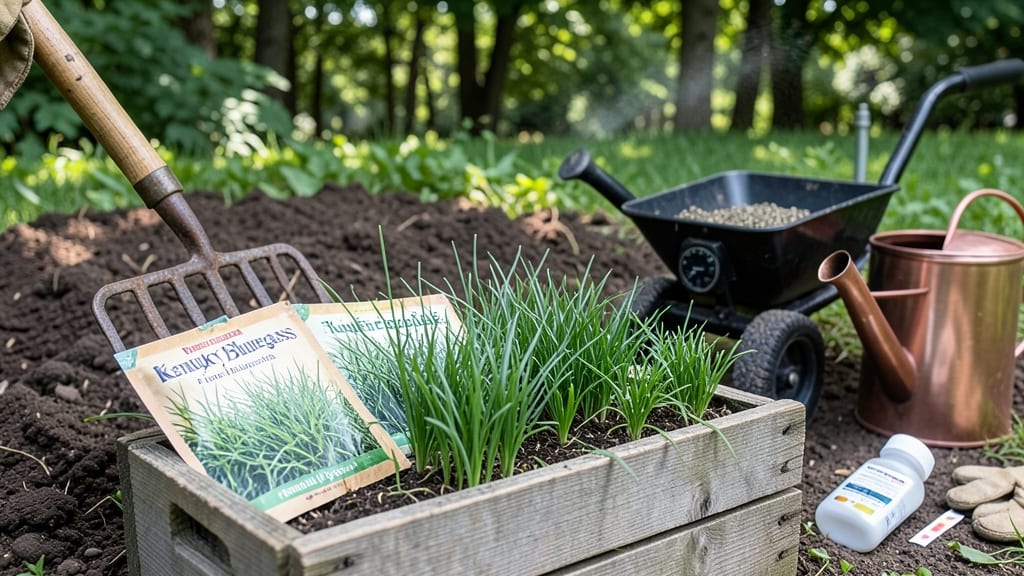
If you're asking "when is the best time to plant grass seed in Connecticut", the answer isn't just about seasons—it's about giving your 🌱 a fighting chance against frost, heat, and Connecticut's unpredictable weather swings.
Planting too early risks frost damage, while waiting too late means weak roots before winter hits.
Connecticut's 5b-6b climate gives you two prime windows: early spring (March-April) when soil warms to 50-65°F, and early fall (September-October) when temperatures stay mild. But here's the catch: coastal areas like New Haven behave differently than inland Hartford—microclimates matter more than you think.
I've seen firsthand how timing mistakes lead to patchy lawns, and I'm here to show you exactly how to avoid them. Whether you're seeding a new yard or repairing bare spots, these insights will help your grass establish strong roots before Connecticut's first frost.
Let's break down the science behind spring vs. fall planting, regional adjustments, and the critical 4-6 week rule that separates successful lawns from disappointing ones. Your perfect green lawn starts with getting this timing right.
Optimal Connecticut grass seed planting windows: spring vs. fall timing explained
Connecticut’s variable climate—with USDA zones 5b-6b—means timing is everything for grass seed success. Plant too early, and frost damage stunts growth. Too late, and summer heat stresses seedlings.
The sweet spot? Late April to early June for spring or September to mid-October for fall, when soil temps hover between 50-65°F—ideal for germination.
Spring planting in Connecticut kicks off 4-6 weeks after the last frost date (typically mid-April). This window balances warm soil and cool air, giving seedlings a head start before summer’s intensity. Fall, meanwhile, offers cooler temps and steady moisture, letting grass establish deep roots before winter dormancy.
Soil temperature is your best indicator. Use a soil thermometer to confirm 50°F+ before planting. In Connecticut’s cooler northern regions, aim for late May if April planting feels risky. Southern areas like Fairfield County can start as early as late April.
Here’s how Connecticut’s two prime windows stack up for grass seed success:
Connecticut’s fall planting often yields better long-term results because cooler temps reduce weed competition and disease pressure. However, spring planting is ideal if you’re repairing winter damage or need a quick summer lawn.
Pro tip: Test your soil first—Connecticut’s clay-heavy soils in areas like Hartford need amendments (like compost) for optimal drainage.
For coastal Connecticut (e.g., New Haven), plant 1-2 weeks earlier than inland areas—milder microclimates delay frost. Inland zones like Litchfield Hills may need to push planting to late May to avoid late-spring frosts. Always check the UConn Home & Garden Education Center for local frost alerts.
One critical rule: Never plant when soil temps exceed 70°F. In July/August, Connecticut’s heat waves can bake seeds before they sprout. If you miss the spring/fall windows, overseeding in late August can work for cool-season grasses like Kentucky bluegrass or fescue.
Finally, choose your grass type wisely. Tall fescue thrives in Connecticut’s heat and humidity, while perennial ryegrass germinates faster for quick coverage. Mixing cool-season grasses can extend your planting window by a few weeks.
Timing your Connecticut grass seed planting right isn’t just about calendar dates—it’s about soil temps, microclimates, and grass variety. Get it right, and you’ll enjoy a thick, green lawn that outlasts the Connecticut winters.
How Connecticut’s microclimates affect grass seed planting success
Connecticut’s diverse geography—from coastal shorelines to inland valleys—creates microclimates that dramatically impact when and how you should plant grass seed. Coastal areas like New Haven and Groton enjoy milder winters and longer growing seasons, while inland regions like Hartford and Litchfield experience earlier frosts and shorter spring windows.
Even within a single town, urban heat islands can create 5-10°F temperature differences, affecting germination timing.
For coastal Connecticut, the optimal planting window extends slightly later into fall (through mid-October) due to delayed frost. Inland areas, however, should aim to finish planting by early October to avoid winter damage.
These regional differences mean your neighbor’s perfectly timed spring planting might fail in your yard if you’re just 20 miles inland.
Drought-prone zones in western Connecticut (like Danbury) require extra attention to soil moisture during establishment, while southern Connecticut’s humid climate increases fungal risks if seeds aren’t planted at the right depth and watered properly.
Understanding these variations helps you adjust not just timing but also grass seed variety and soil preparation for maximum success.
| Region | Climate Traits | Best Planting Window | Key Adjustments |
|---|---|---|---|
| Coastal (New Haven, Groton) | Milder winters, longer fall | Late April–early June; Sept–mid-Oct | Use tall fescue for heat tolerance |
| Inland (Hartford, Litchfield) | Early frosts, shorter season | Late April–early June; Sept only | Prioritize cool-season grasses like ryegrass |
| Western (Danbury, Waterbury) | Drought-prone, hot summers | Early May–early June; Sept only | Add mulch to retain moisture |
| Southern (New London) | Humid, fungal risks | Late April–early June; Sept–early Oct | Use fungicide-treated seed |
Urban gardens in Bridgeport or New Britain often face compacted soil and heat retention from pavement, which can delay germination by up to 10 days. To counteract this, amend soil with compost and plant shade-tolerant varieties like fine fescue if your yard has partial shade.
Meanwhile, rural areas with loamy soil may require less amendment but benefit from pre-emergent herbicide applications to prevent weed competition during establishment.
Always check the USDA Plant Hardiness Zone for your specific address—most of Connecticut falls in Zone 5b-6b, but microclimates can shift this by a full zone.
For precise guidance, consult the UConn Home & Garden Education Center, which offers free soil tests and localized planting calendars tailored to your town’s climate history.
By accounting for these regional nuances, you’ll avoid the heartbreak of uneven germination or winter kill—and enjoy a lawn that thrives year after year, no matter where in Connecticut you live. 🌱