
Plants
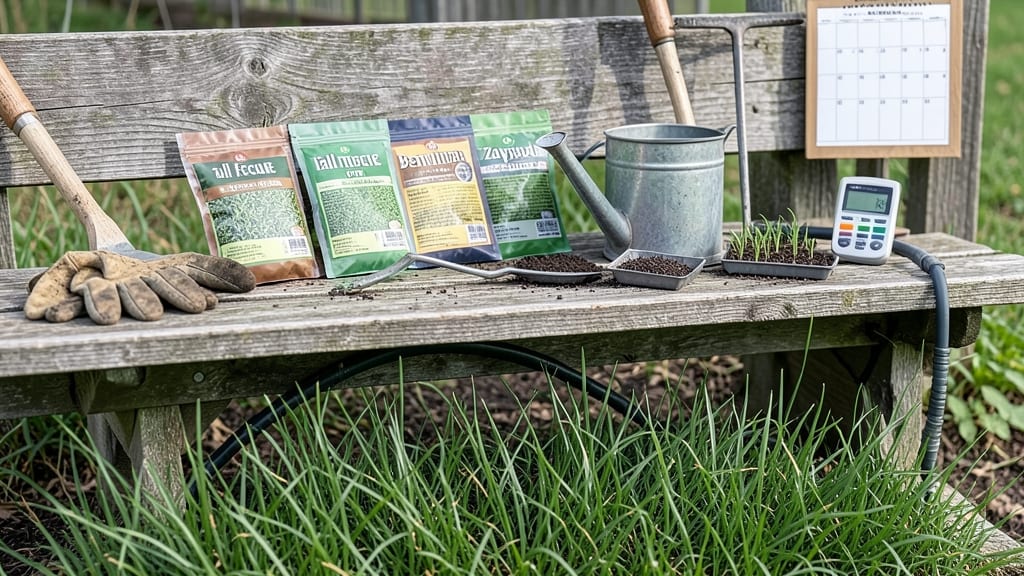
Timing your grass seed planting in South Carolina is the key to avoiding frustration and wasted effort—especially when coastal humidity clashes with Piedmont heat. Whether you're prepping a new lawn in Charleston or Greenville, getting the window right means the difference between lush, green grass and patchy disappointment.
Most gardeners know spring and fall are ideal, but exact timing matters more than you think. The best months for planting—March-April in 7b-8a zones—align with soil temperatures hitting that sweet spot of 60-65°F.
But here's the catch: coastal areas and Piedmont regions have different microclimates that shift those windows by weeks.
I’ve seen firsthand how planting too early in coastal zones leads to fungal issues from lingering moisture, while Piedmont lawns suffer if seeded too late in the heat. The solution? Understanding your specific region’s frost dates, rainfall patterns, and how to prep your soil for maximum germination.
In this guide, I’ll break down the exact planting windows for both regions, plus pro tips to ensure your grass seed takes root like a dream. Let’s get started—your perfect lawn is just a few weeks away!
South Carolina grass seed planting calendar: coastal region timing vs Piedmont climate differences
South Carolina’s diverse climate means your grass seed planting window depends entirely on whether you live in the coastal region or the Piedmont. Coastal areas like Charleston and Myrtle Beach stay warmer longer, while Piedmont cities like Greenville and Columbia face earlier heat spikes.
These differences create two distinct planting seasons—and missing them can lead to poor germination or wasted seed.
For coastal South Carolina, the best time to plant grass seed is late winter to early spring (February-March) and again in late summer to early fall (September-October). The mild winters and humid summers create ideal conditions for germination during these windows.
Meanwhile, Piedmont regions should focus on March-April and September to avoid the intense summer heat that can stress young seedlings.
Soil temperature is your #1 indicator for planting. Grass seed germinates best when soil is between 60°F and 65°F. Coastal areas hit this range earlier in the year, while Piedmont soils often warm up faster in spring.
Check soil temps with a soil thermometer—it’s the only way to know for sure when conditions are right.
🌱
In coastal South Carolina, the February-March window is critical because it allows seeds to germinate before summer humidity peaks. I’ve seen homeowners in Charleston rush planting in April only to deal with fungal diseases from excessive moisture.
The September-October window works equally well—cooler temps and consistent rainfall create perfect conditions.
For Piedmont regions, planting in March-April ensures seeds germinate before the soil heats up past 75°F, which can inhibit growth. The September window is your last chance—planting in October risks early frosts, especially in higher elevations.
I recommend marking your calendar for September 15th as the cutoff for fall planting in Piedmont areas.
Don’t overlook soil preparation—both regions need well-aerated, loose soil for seeds to establish roots. Coastal areas often have compacted soil from salt spray, while Piedmont soils can be clay-heavy.
Work in 2-3 inches of compost before planting to improve drainage and fertility. This step alone can double your germination success rate.
🌿
If you’re unsure about your local climate, check the USDA Plant Hardiness Zone Map.
Most of South Carolina falls in Zone 7b-8a, but microclimates near the coast can feel like Zone 8b. Use this info to fine-tune your planting schedule—even a 1-2 week difference can mean the difference between thick grass and bare patches.
Pro tip: Test your soil’s pH before planting. Coastal areas often have slightly acidic soil (pH 5.5-6.0), while Piedmont soils can be neutral to alkaline (pH 6.5-7.5). Grass prefers a pH of 5.8-6.5, so amend with sulfur (to lower pH) or lime (to raise pH) as needed.
A simple $20 soil test kit from your local garden center will save you from guesswork.
Finally, choose the right grass type for your region. Coastal homeowners should opt for St. Augustine or Zoysia, which thrive in humidity, while Piedmont lawns do best with Tall Fescue or Bermuda.
Mixing grass types can also extend your planting window—some varieties germinate faster in cooler temps, while others handle heat better.
☀️
South Carolina grass seed planting calendar: coastal region timing vs Piedmont climate differences
South Carolina’s diverse climate means your grass seed planting timing depends entirely on whether you live in the humid coastal regions (like Charleston) or the warmer Piedmont (like Greenville). Coastal areas thrive with fall planting due to milder temperatures, while Piedmont’s spring window is critical to avoid summer heat stress.
Let’s break down the optimal months for each zone.
For coastal South Carolina, the best planting window is September through early November, when soil temperatures stay between 60-75°F. This timing avoids summer’s intense heat and gives seedlings time to establish before winter.
In contrast, Piedmont regions should focus on March through early May, targeting soil temps of 60-65°F before summer’s heat arrives.
Soil temperature is your most reliable guide—never plant when it’s below 55°F or above 80°F. Use a soil thermometer to check depths of 2-4 inches. Coastal areas may extend planting into December if mild, but Piedmont’s window closes firmly by late April to prevent drought stress.
| Climate Zone | Best Planting Window | Soil Temp Range (°F) | Key Consideration |
|---|---|---|---|
| Coastal (Zone 8a) | September–Early November | 60–75°F | Humidity + mild winters |
| Piedmont (Zone 7b) | March–Early May | 60–65°F | Avoid summer heat |
| Upstate (Zone 7a) | April–Mid-May | 55–65°F | Later frost risk |
Rainfall patterns also play a role. Coastal areas often face excess moisture in fall, requiring well-draining soil to prevent fungal diseases. Meanwhile, Piedmont’s spring showers are ideal, but consistent watering is critical if rain skips.
Aim for 1/2 inch of water daily until germination (about 10-14 days) to keep seeds moist but not waterlogged.
If you miss the primary window, late summer (August) can work for coastal zones with shade-tolerant varieties like tall fescue, but expect slower growth. Piedmont’s secondary option is September, but only for cool-season grasses like ryegrass.
Warm-season grasses (e.g., Bermuda) should never be planted in fall—they’ll brown out.
Pro tip: Check your local Cooperative Extension Service for microclimate updates. For example, Charleston’s last frost averages March 15, while Greenville’s can linger until April 1.
Planting too early risks frost damage, while waiting too long means battling weeds or heat stress. Timing is everything in South Carolina’s grass-growing game! 🌱