
Plants
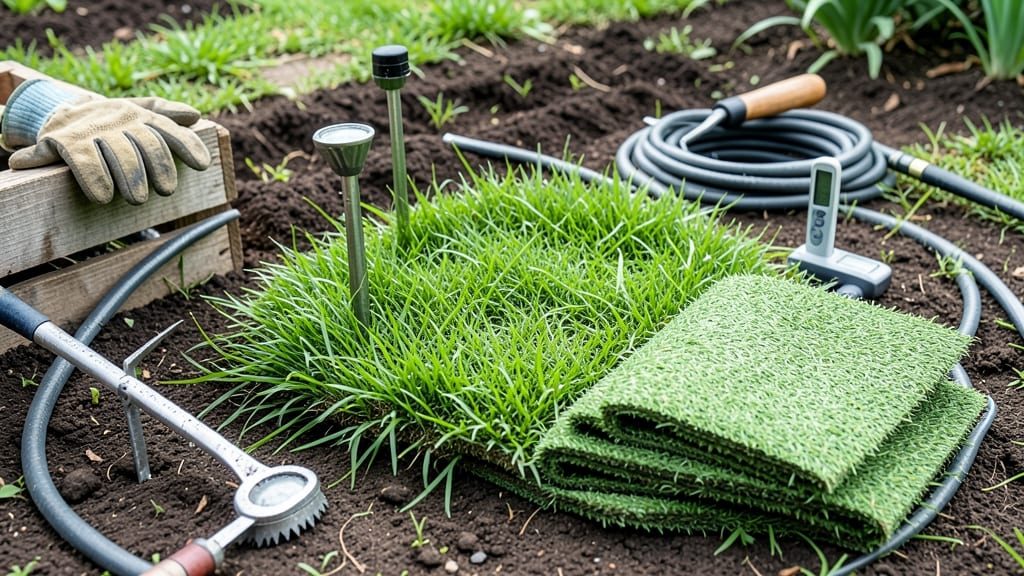
Planting Bermuda grass 🌱 at the wrong time in North Georgia can mean the difference between a lush, green lawn and a patchy, struggling yard.
The key to success lies in understanding your local climate—where frost dates shift and soil temperatures fluctuate—so you don’t waste time or money on failed attempts.
In zones 7a-8a, your best windows are late spring (April-May) or early fall (September-October), when soil stays consistently above 65°F.
But here’s the catch: rushing it too early can leave young grass vulnerable to late frosts, while waiting too long might mean summer heat stress before roots establish.
I’ll break down exactly when to plant based on real North Georgia conditions—plus how to prep your soil and avoid common mistakes that derail even the most eager gardeners. Let’s get your lawn off to the right start.
Whether you’re seeding or laying sod, timing matters more than you think. Skip the guesswork and learn the proven schedule that keeps Georgia lawns thriving year after year.
Optimal planting timeline for Bermuda grass in North Georgia (soil temp & frost dates)
North Georgia’s USDA Zones 7a-8a create a unique window for Bermuda grass planting, where soil temperature and frost dates dictate success.
Unlike cooler climates, Bermuda thrives when soil reaches 65°F (18°C)—a threshold typically met by late April in Atlanta but as late as early May in the Blue Ridge Mountains. Timing your planting right means avoiding frost damage while maximizing root growth before summer heat.
For most of North Georgia, the ideal planting window spans from late April through early June (spring) or early September to early October (fall). This aligns with the region’s 210 frost-free days, giving Bermuda grass enough time to establish before winter dormancy.
However, microclimates—like the Piedmont region—may shift these dates by 1-2 weeks.
Here’s how to align your planting with North Georgia’s climate quirks:
| Region | Spring Planting Window | Fall Planting Window | Soil Temp Threshold |
|---|---|---|---|
| Atlanta (Zone 7b) | Late April – Early May | Early September – Mid-September | 65°F (18°C) |
| Piedmont (Zone 7a-8a) | Early May – Early June | Mid-September – Early October | 65°F (18°C) |
| Blue Ridge Mountains (Zone 7a) | Late May – Early June | Early September – Mid-September | 65°F (18°C) |
Spring planting offers the longest growing season, but fall planting (especially in September) reduces stress from summer heat and provides a head start for root development.
If you’re in a warmer microclimate like Athens, you might even push fall planting to early October—but avoid planting after October 15, as cooler nights slow growth.
Use a soil thermometer to confirm readiness. Bury it 2-3 inches deep and wait until readings consistently hit 65°F for 3-5 days. This is your green light to plant, whether you’re using Bermuda grass seed or sod.
Pro tip: In North Georgia, dandelions blooming often signal soil warmth—nature’s calendar for grass planters!
For sod installation, aim for a 10-14 day window after soil warming to allow roots to knit into the soil before summer’s intensity. Seed, however, needs 6-8 weeks of warm soil to germinate, so plant seeds 4-6 weeks before your region’s last frost date.
In Atlanta, that’s typically by April 15; in the mountains, wait until May 1.
North Georgia’s humid summers can stress young Bermuda grass, so prioritize planting 4-6 weeks before peak heat (usually late June). This gives roots time to establish before the 90°F+ temperatures that can stunt growth.
If you miss the spring window, don’t despair—fall planting is your backup, but stop by September 30 to avoid winter dormancy risks.
Remember: Bermuda grass is dormant in winter, so planting too late in fall (after October 15) means it won’t recover before frost. Use this timeline to plan ahead, and you’ll have a lush, drought-resistant lawn by next summer.
🌱
Optimal planting timeline for Bermuda grass in North Georgia (soil temp & frost dates)
North Georgia’s USDA Zones 7a-8a create a unique window for planting Bermuda grass, where soil temperature and frost dates dictate success.
The ideal planting window spans late April through early June for spring and early September through early October for fall—aligning with when soil warms to 65°F (18°C) or higher.
In Atlanta and Piedmont regions, where last frost typically occurs around March 15, you can start preparing your lawn as early as March by testing soil temperatures. Meanwhile, mountain areas like Blue Ridge may experience later frosts, delaying planting until mid-May or late September.
Here’s a quick reference for North Georgia’s planting timeline based on regional microclimates and soil conditions:
| Region | Last Frost Date | Optimal Planting Window | Soil Temp Threshold |
|---|---|---|---|
| Atlanta/Piedmont | Mid-March | Late April–Early June | 65°F+ |
| North Georgia Mountains | Late April | Mid-May–Early June | 65°F+ |
| All Regions (Fall) | Early November | Early September–Early October | 65°F+ |
For spring planting, aim to finish by June 1 to allow roots to establish before summer heat sets in. In fall, plant by October 1 to give Bermuda grass time to develop before the first frost hits around November 15.
If you’re using Bermuda grass seeds, germination requires consistent soil temperatures above 65°F (18°C) for at least 7-10 days. For sod installation, wait until soil is 70°F (21°C) or warmer to reduce transplant shock.
Pro tip: Use a soil thermometer to confirm readiness—planting too early can lead to frost damage, while waiting too long risks summer drought stress. Monitor local weather forecasts for unexpected late frosts, especially in higher elevations.