
Plants
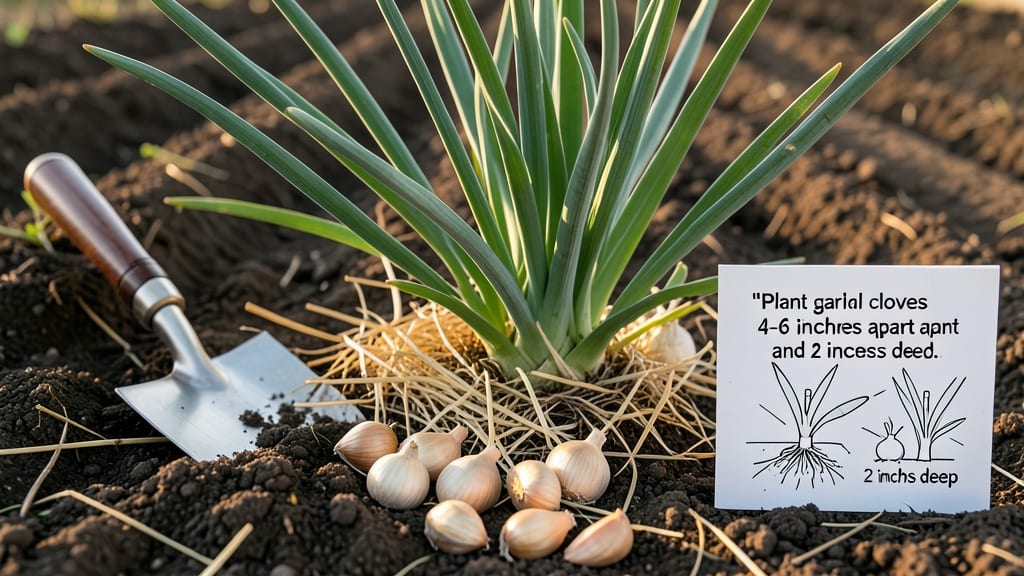
If you're dreaming of a bountiful 🧄 garlic harvest in Alabama, timing your planting is the key to success—and getting it wrong could mean missing out entirely.
Alabama’s unique 7b-8a climate gives you a narrow but critical window between October and November to plant garlic bulbs for that perfect spring harvest.
Many gardeners assume garlic can be planted anytime in fall, but the truth is, Alabama’s unpredictable weather makes precision planting essential. Plant too early, and your cloves might rot in soggy soil; too late, and frost could stunt growth before harvest season.
I’ll show you exactly how to align your planting with Alabama’s frost dates and soil conditions for the best results.
You’ll also discover why some varieties thrive better than others in our region and how to prepare your soil for maximum growth. Whether you’re a seasoned gardener or just starting, these insights will help you avoid common pitfalls and grow plump, flavorful garlic that’s ready by April or May.
Let’s dive into the step-by-step guide that will transform your Alabama garden into a garlic-growing powerhouse—no guesswork required.
Best planting dates for garlic in Alabama by variety type
Alabama’s USDA Zones 7b-8a offer two ideal windows for planting garlic: fall (October–November) and early spring (February–March). The key is timing your plantings to avoid freezing soil or unseasonable warmth that can stress young bulbs. Hardneck varieties thrive in Alabama’s cooler winters, while softnecks tolerate warmer conditions better.
Fall planting is the gold standard for Alabama gardeners. Most regions see their first frost between November 15–December 15, so aim to plant 4–6 weeks before that date.
For example, in North Alabama (Zone 7b), October 1–15 is perfect, while South Alabama (Zone 8a) can extend planting until early November.
Spring planting is riskier but possible if you use cold-hardy varieties and protect seedlings. Plant no later than March 1 to ensure bulbs mature before summer heat sets in. Many gardeners skip spring planting entirely due to Alabama’s unpredictable weather patterns.
🌱 Alabama Garlic Planting Comparison
| Variety Type | Best Planting Window | Soil Temp Requirement | Harvest Time | Alabama Notes |
|---|---|---|---|---|
| Hardneck (e.g., 'German White', 'Music') | Oct 1–Nov 15 (fall) | 45–60°F (7–15°C) | April–May | Best for North Alabama; produces scapes |
| Softneck (e.g., 'Silverskin', 'Artichoke') | Oct 15–Dec 1 (fall) or Feb 1–Mar 15 (spring) | 50–65°F (10–18°C) | May–June | Better for South Alabama; stores longer |
| Elephant (e.g., 'German Red Straps') | Oct 15–Nov 10 (fall) | 50–60°F (10–15°C) | May–June | Large bulbs; needs extra space |
Moon phases play a subtle but meaningful role in Alabama garlic planting. Planting during the waning moon (after a full moon) is traditionally believed to encourage bulb development.
For fall plantings, aim for the waning gibbous phase in October or November. Use a lunar calendar to align your planting with these phases for potentially better yields.
Alabama’s microclimates can shift planting windows by weeks. For example, mountainous regions (e.g., Huntsville) may experience frost by November 1, while coastal areas (e.g., Mobile) might delay planting until December. Always check your local Alabama Extension Office for last frost dates and adjust accordingly.
Soil temperature is the critical factor beyond dates. Garlic cloves need soil temps between 45–65°F (7–18°C) to sprout consistently. In Alabama, soil temps drop below 50°F by late October in most zones. Use a soil thermometer to verify readiness—plant only when temps stabilize above 50°F for at least 10 days.
Spring plantings require extra caution in Alabama due to unpredictable warmth and summer humidity. If you choose this route, select heat-tolerant varieties like 'California Early' and plant in late February to avoid bolting (premature flowering). Mulch heavily to retain moisture and protect against sudden temperature swings.
Pro tip: Alabama gardeners often double their harvest by planting half their cloves in fall and half in early spring. This staggered approach ensures a continuous supply from April through June, perfect for fresh cooking or braiding.
How to calculate your Alabama-specific planting window (step-by-step)
Figuring out the exact planting window for garlic in Alabama isn’t just about checking a calendar—it’s about reading your local microclimate and preparing your cloves correctly. Since Alabama’s USDA zones 7b-8a experience varied frost patterns, even neighbors might have different ideal dates.
Start by confirming your last average frost date (typically November 15 for most regions) and work backward from there.
For fall planting (the preferred method), aim to plant 4-6 weeks before the ground freezes solid. In Alabama, this usually lands between mid-October and early November. Use a soil thermometer to verify—ideal soil temps should be between 40°F and 50°F at planting time.
If your soil stays warm longer (common in southern Alabama), you might push planting into early December.
Step-by-Step Planting Timeline for Alabama Gardeners
- 6-8 Weeks Before Planting: Order garlic cloves (hardneck or softneck) from a reputable supplier. Let them cure and dry for 2-3 weeks in a dark, well-ventilated space (like a garage).
- 4 Weeks Before Planting: Peel and soak cloves in lukewarm water for 6-12 hours to stimulate root growth. This is especially helpful in Alabama’s humid climate, which can slow germination.
- 2 Weeks Before Planting: Test your soil pH (aim for 6.0-7.0). If needed, amend with lime or sulfur. Break soil to a depth of 6-8 inches to improve drainage—critical in Alabama’s clay-heavy soils.
- Planting Day: Plant cloves 2 inches deep, 4 inches apart, with the pointy end up. Space rows 12 inches apart for easy harvesting. Mulch with straw or leaves (3-4 inches) to insulate bulbs during winter.
- Post-Planting: Water deeply once to settle soil. Avoid overhead watering to prevent fungal diseases like rust, common in Alabama’s damp springs.
If you’re planting in early spring (February-March), the process is similar, but rush your cloves by chitting—placing them in a cool, bright spot (like a sunny windowsill) for 2-3 weeks before planting.
This gives them a head start on growth before Alabama’s warm springs arrive. Just beware: spring-planted garlic often yields smaller bulbs compared to fall plantings.
Alabama’s unpredictable weather can throw off even the best-laid plans. If an early frost threatens before planting, use row covers or cold frames to protect young shoots. Conversely, if unseasonable warmth delays frost, extend your window by planting softneck varieties, which tolerate slightly warmer soils better than hardnecks.
Pro tip: Mark your planting date on a garden calendar and note the moon phase (root crops like garlic thrive when planted during a waning moon). In Alabama’s short growing season, every day counts—so don’t wait until the last minute to prepare your soil or cloves! 🌱