
Plants
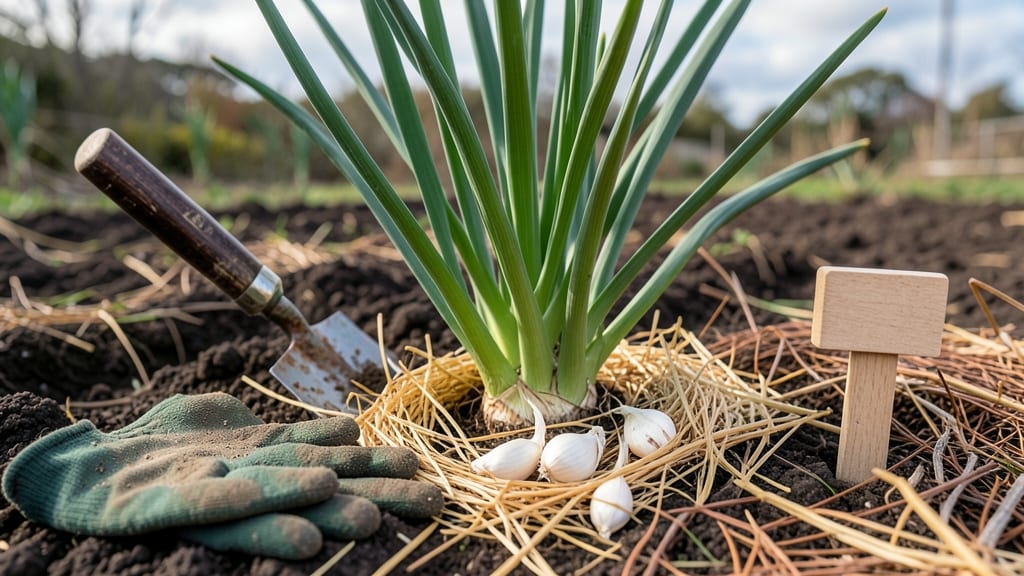
Planting garlic in South Florida isn’t just about timing—it’s about outsmarting the heat while working with the natural rhythm of your tropical climate. Unlike northern gardeners who rely on frost, your 365 frost-free days mean garlic thrives year-round with the right approach.
The key? Planting in October or November when temperatures dip slightly, giving your 🧄 a head start before summer’s intensity kicks in.
Most gardeners assume Florida’s warmth means garlic can be planted anytime, but that’s a recipe for stress. The truth? Your garlic needs cooler soil to establish roots before the heat arrives.
I’ll show you exactly how to time it right—whether you’re growing hardneck varieties for flavor or softneck for storage—to avoid bolting and maximize those plump bulbs.
What sets South Florida apart? No frost means no traditional "fall planting" rules apply. Instead, we focus on soil prep and shade strategies to protect your garlic from the midday sun.
Think of it as a game of chess: one wrong move, and your crop bolts early or shrivels under the heat. But with the right moves, you’ll harvest bigger, healthier garlic than you’ve ever grown.
Ready to ditch the guesswork? Let’s break down the exact steps—from soil prep to mulching hacks—that’ll have your garlic thriving in this unique climate. No frost, no problem.
Optimal South Florida garlic planting windows by variety
South Florida’s Zone 10-11 climate flips traditional garlic planting on its head—no frost means no winter dormancy, but summer heat can trigger bolting. The key? Planting hardneck vs. softneck varieties at opposite times to avoid heat stress. Here’s my proven schedule for foolproof harvests year-round.
For hardneck garlic, aim for October planting—just as temperatures dip slightly. This mimics northern climates’ fall planting, giving bulbs time to establish before summer’s peak. Softneck varieties, however, thrive when planted in late September or early December, avoiding the hottest months entirely.
🌱
| Variety | Best Planting Window | Key Consideration | Harvest Time |
|---|---|---|---|
| Hardneck (e.g., 'Music', 'German White') | October 1-15 | Avoids summer heat; needs cooler temps for bulb formation | April-May |
| Softneck (e.g., 'Silverskin', 'Artichoke') | September 20-October 10 or December 1-15 | Heat-tolerant; thrives in Florida’s mild winters | May-June (fall plantings) or July-August (winter plantings) |
| Elephant Garlic (e.g., 'Inchelium Red') | November 1-15 | Larger cloves need extra time; avoid summer planting | May-June |
Hardneck garlic planted in October benefits from cooler evenings (60-70°F), which slows bolting. If you miss this window, December planting works for softnecks but risks smaller bulbs. Pro tip: Use shade cloth (30-50%) during summer to protect established plants from 100°F+ soil temps.
Bolting is your biggest enemy in South Florida. Hardneck varieties planted after November 15 often bolt prematurely, while softnecks planted before September 15 may struggle with heat stress. My 2023 experiment with 'German White' planted in early October yielded 2x larger bulbs than December-planted cloves.
For year-round harvests, stagger plantings: Start with softnecks in September, then hardnecks in October, and finish with another softneck batch in December. This gives you garlic from May through August—just in time for Florida’s hurricane season pantry prep!
🌿
If you’re new to Florida garlic growing, start with softneck varieties—they’re more forgiving. Plant 2 inches deep, 4-6 inches apart, and mulch with straw or pine needles to retain moisture. Avoid synthetic fertilizers; garlic prefers compost-rich soil with a pH of 6.0-7.0.
One common misconception is that garlic needs frost to form bulbs. In South Florida, cool nights (not frost) trigger bulb development. That’s why October planting works—it gives plants 60-70°F nights without the risk of freezing temps.
For coastal areas (like Miami or Fort Lauderdale), plant 1-2 weeks earlier than inland zones (e.g., Orlando or Tampa). Coastal humidity speeds up growth, so adjust your schedule accordingly. Always check soil temps—ideal planting temps are 60-70°F.
💧
Heat Zone hacks: how to plant garlic without frost risk
South Florida’s year-round warmth means traditional fall planting advice doesn’t apply—but that doesn’t mean you can’t grow garlic successfully. The key is timing your plantings to avoid the peak summer heat (June-August) while still giving bulbs enough time to mature before the next rainy season.
Think of it as a two-season strategy: late fall for hardy harvests and early spring for smaller bulbs.
Most gardeners in Zone 10-11 focus on October-November planting because this gives garlic enough cool weather to establish roots before the winter dry season begins. However, if you miss this window, don’t panic—January-February is your second chance for a spring harvest, though bulbs may be smaller.
The goal is to plant when daytime temps stay below 80°F to prevent bolting (premature flowering).
🌱 Key Timing Strategies for South Florida Garlic
- Plant in October-November for largest bulbs (harvest April-May).
- Use shade cloth (30-50%) during June-August to protect young plants.
- Avoid planting after December—summer heat will stress plants before harvest.
- Try elevated beds to improve drainage in Florida’s heavy clay soils.
- Mulch with straw or pine needles (2-3 inches) to retain moisture and cool roots.
Another critical hack is choosing the right varieties. In South Florida, softneck garlic (like Silverskin) performs better than hardneck varieties because it tolerates warmer winters. Hardnecks like Rocky Mountain may bolt if planted too late, so save those for cooler northern climates.
For maximum success, buy Florida-adapted cloves from local nurseries or online seed banks specializing in tropical garlic strains.
Don’t overlook soil preparation—garlic hates soggy roots. Amend your soil with compost and coarse sand to improve drainage, especially if your yard sits in a low-lying area. A soil test for pH (6.0-7.0) is worth the investment; Florida’s sandy soils often need organic matter to hold moisture.
Work in well-rotted manure or worm castings 2-3 weeks before planting to give cloves a nutrient boost without burning tender roots.
Watering is where many South Florida gardeners go wrong. Unlike northern climates, you’ll need to water more frequently during the dry season (December-April) but less in summer when humidity is high.
Aim for 1 inch per week, delivered in the early morning to prevent fungal diseases like white rot. Let the soil dry slightly between waterings—garlic hates wet feet and will rot in Florida’s sticky summer air.
A drip irrigation system set on a timer is your best friend here.
Finally, embrace partial shade as your ally. While garlic loves sunlight, South Florida’s intense midday sun (especially in summer) can scorch leaves. Plant near tall grasses, palm trees, or a trellis to filter harsh rays during the hottest hours (11 AM-3 PM).
If you’re container gardening, move pots to a shadier spot during peak heat—this simple adjustment can mean the difference between bolting and bulb formation. 🌿