
Companion Plants
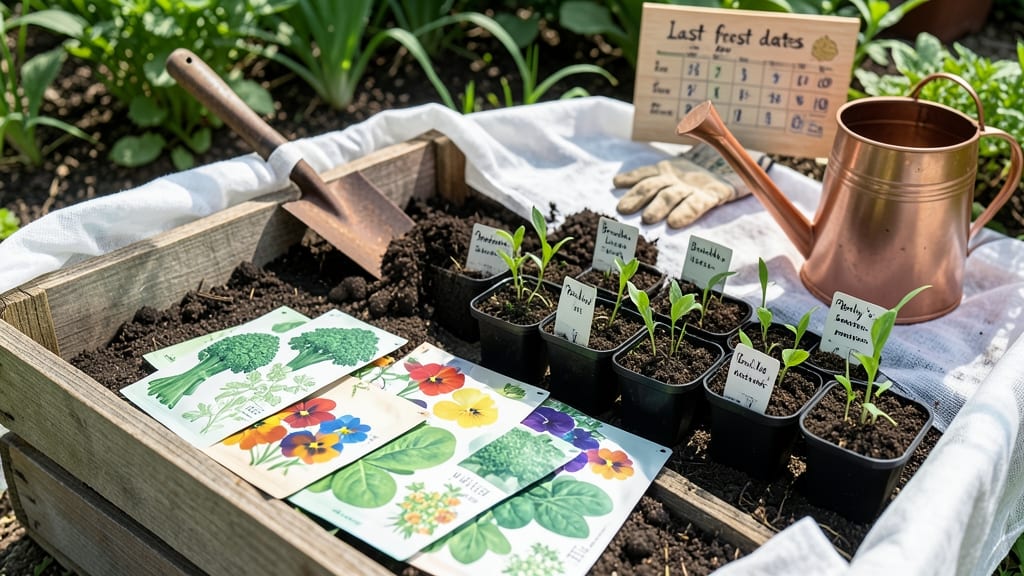
Timing your Zone 6b planting just right could mean the difference between a garden bursting with life and one that struggles to take root.
With average last frost dates hovering around mid-April, knowing exactly when to plant your cool-season crops like peas or spinach—and when to wait for warm-season favorites like tomatoes—isn’t just helpful, it’s essential.
I’ve spent years watching gardens thrive (and sometimes fail) in Zone 6b, and the key isn’t just guessing—it’s understanding how frost-free days and soil temperatures work together. Whether you’re a first-time gardener or a seasoned green thumb, getting this right ensures your plants grow strong from the start.
In this guide, I’ll break down the exact months to plant everything from early spring veggies to late-summer blooms, plus how to adjust for those tricky early or late frosts. No more wasted seeds or stunted growth—just a foolproof schedule tailored to your zone.
Ready to turn your garden into a high-yielding success? Let’s dive into the perfect planting windows for Zone 6b, so you can start sowing with confidence.
Zone 6B last frost dates: exact months for cold-hardy and warm-season crops
Understanding Zone 6B last frost dates is the foundation of successful gardening in this climate zone. The average last frost date falls between April 15 and May 15, though it can vary by 1-2 weeks depending on microclimates.
This window separates your cool-season crops (like spinach and peas) from warm-season crops (like tomatoes and peppers).
For cool-season vegetables, you can start planting as early as late February under frost protection, but direct sowing should begin by March 15 for best results. Warm-season crops must wait until after the last frost date, typically May 15, to avoid frost damage.
Always monitor local forecasts—late frosts can push planting back by 2-3 weeks.
Here’s how to use these dates for your garden:
| Season | Planting Window | Ideal Soil Temp (°F) | Example Crops |
|---|---|---|---|
| Early Spring | March 15 – April 15 | 40–50°F | Peas, Lettuce, Spinach, Kale |
| Late Spring | April 30 – May 15 | 50–60°F | Carrots, Radishes, Beets, Onions |
| Summer | May 20 – June 15 | 60–70°F | Tomatoes, Peppers, Cucumbers, Beans |
| Fall | August 1 – September 15 | 50–60°F | Broccoli, Cabbage, Brussels Sprouts, Spinach |
Your first frost date in Zone 6B typically arrives between October 15 and November 1, signaling the end of your outdoor growing season.
For warm-season crops like tomatoes and peppers, this means you’ll need to harvest before frost or use season extenders like row covers. Cool-season crops, however, can often survive light frosts and may even taste sweeter after a frost.
Pro tip: Use a local frost calendar (like the Old Farmer’s Almanac) to fine-tune your planting dates. Microclimates—like south-facing slopes or urban heat islands—can shift your frost dates by 1-3 weeks.
For example, if you live in a warmer microclimate, you might plant tomatoes by May 1 instead of waiting until May 15.
Another critical factor is soil temperature. Most warm-season crops need soil temps of at least 60°F to germinate properly.
Use a soil thermometer to check—if temps are too cold, wait another week or use black plastic mulch to warm the soil faster. Cool-season crops, on the other hand, thrive in cooler soils (40–50°F) and can even handle light frosts.
Remember, Zone 6B’s frost-free season spans about 165 days, giving you ample time for two full growing seasons: one in spring and another in fall. Plan your garden layout to maximize this window—interplant fast growers (like radishes) with slow growers (like broccoli) to keep your harvests coming year-round.
If you’re new to Zone 6B gardening, start with cold-hardy crops like kale or peas in early spring to build confidence. These plants are forgiving and can handle temperature fluctuations better than delicate warm-season crops.
Once you’ve mastered the basics, experiment with heirloom tomatoes or bell peppers—but always be ready to protect them with row covers if late frosts strike.
Finally, keep a gardening journal to track your frost dates and planting success. Over time, you’ll notice patterns in your local climate that may differ from the average.
For example, my garden in central Virginia often sees its last frost by April 20, giving me an extra week to plant early potatoes compared to the average date.
With these frost dates in mind, you’re ready to dive into the next step: month-by-month planting for Zone 6B. Let’s explore which crops thrive in each season and how to maximize your harvest! 🌱
Best vegetables to plant in Zone 6B by month (March–September)
Zone 6B offers a 165-day frost-free window, giving you plenty of time to grow both cool-season and warm-season crops. The key is knowing which plants thrive in early spring, summer, or late summer plantings.
Let’s break it down month by month so you can plan your garden like a pro!
March is your window for cool-season crops like peas, spinach, and kale. These hardy plants tolerate light frosts and can even be planted in February under row covers.
Meanwhile, onion sets and potatoes can be planted in early March for an early harvest. Just ensure soil temperatures stay above 40°F for best germination.
April is when the real action begins! After your last frost date (typically around April 15), you can safely plant warm-season crops like tomatoes, peppers, and eggplants.
Start these indoors in March for a head start. For cool-season crops, succession plant lettuce, radishes, and carrots every 2-3 weeks for continuous harvests.
- Peas: Direct sow after soil warms to 40°F.
- Spinach: Plant in partial shade for slower bolting.
- Onion sets: Set out in early March for harvest in June.
- Potatoes: Plant seed potatoes when soil reaches 45°F.
- Lettuce: Succession plant every 2 weeks.
May is all about warm-season vegetables. Once soil temperatures hit 60°F, plant tomatoes, cucumbers, and squash. If you missed starting seeds indoors, opt for transplants from your local nursery. Don’t forget to harden off seedlings for 7-10 days before transplanting to avoid shock.
June through August is peak growing season in Zone 6B. Focus on heat-loving crops like beans, corn, and okra. Use shade cloth for delicate greens like basil and Swiss chard to prevent bolting.
This is also the time to succession plant quick-growing crops like radishes and bush beans every 2 weeks for a steady supply.
Late summer (August–September) is your last chance for cool-season crops. Plant broccoli, cabbage, and Brussels sprouts 4-6 weeks before your first frost (around October 15). These plants thrive in cooler weather and can even survive light frosts. Don’t overlook garlic—plant cloves in October for next year’s harvest!