
Plants
When is the best time to plant tomatoes in Georgia? Knowing this can mean the difference between a bumper crop and a wasted effort. The 7b-8a climate zone here gives us a 210-day growing season, but timing is everything—especially when soil temperatures and frost dates play such a critical role.
If you plant too early, a late frost could wipe out your 🍅 seedlings before they even take root. Too late, and summer’s heat might stress young plants before they’ve had a chance to establish themselves.
The key is waiting until the soil warms to at least 60°F and nighttime temps stay above 50°F, usually around late February to early April after the last frost.
But here’s the thing: not all tomatoes are created equal. Early varieties can handle cooler soil, while heat-loving types need warmer conditions to thrive.
I’ll break down the best strategies for both direct sowing and transplanting, plus how to adjust for Georgia’s microclimates—whether you’re in the mountains, coastal areas, or the Piedmont.
Ready to set your tomatoes up for fast germination and zero frost risk? Let’s dive into the soil temperature tricks and planting windows that’ll give you the best harvest all season long.
Georgia’s ideal tomato planting window: soil temperature rules for fast germination
Timing your tomato planting in Georgia isn’t just about avoiding frost—it’s about hitting the perfect soil temperature window for fast germination and strong starts. Tomatoes thrive when soil stays between 55°F and 85°F, but seeds need at least 60°F to sprout reliably.
In most of Georgia, this means waiting until mid-April for direct sowing or transplanting hardened seedlings in late March.
Georgia’s frost-free dates vary dramatically by region—Atlanta averages March 15, while coastal areas like Savannah see frost-free conditions by February 15. Mountain regions like Blue Ridge often wait until April 15 or later.
Checking your local USDA Zone 7b-8a guidelines ensures you’re planting at the right time for your microclimate.
| Planting Method | Ideal Soil Temp | Georgia Window | Key Consideration |
|---|---|---|---|
| Direct Sowing (Seeds) | 60°F+ | Mid-April to May 15 | Slower germination; risk of frost |
| Transplanting Seedlings | 55°F+ (night) / 70°F+ (day) | Late March to April 15 | Faster growth; lower frost risk |
| Late-Season Succession | 65°F+ | June 15 - July 15 | Short-season varieties only |
To test soil warmth without a thermometer, press your finger into the soil—if it feels warm but not hot, it’s likely in the 60-70°F range. Another trick: watch nearby plants.
If marigolds or basil are thriving, your soil is probably ready. For direct sowing, aim for consistent daytime temps above 70°F to avoid stunted seedlings.
Georgia’s humid summers can stress young tomato plants, so transplanting hardened seedlings (grown indoors or in a greenhouse) gives them a 2-week head start. Start seeds indoors 6-8 weeks before your last frost date—for most of Georgia, that’s early February.
Use grow lights if natural light is limited, and harden off seedlings by gradually exposing them to outdoor conditions over 7-10 days.
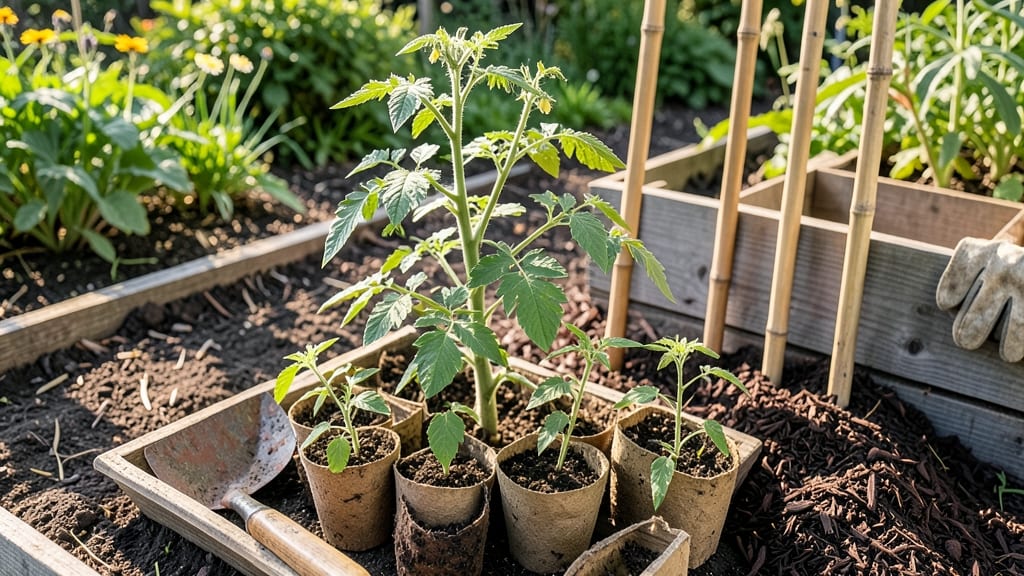
If you’re direct sowing seeds, use biodegradable seed starter pots to avoid disturbing roots when transplanting later. Plant seeds 1/4 inch deep and keep soil moist until germination (usually 7-14 days).
For transplants, bury stems deeper than recommended to encourage root growth—up to 2/3 of the stem can be covered without harm.
One common mistake Georgia gardeners make is planting too early to beat the frost, only to have seeds rot in cold, wet soil. Always wait until soil temperatures are consistently above 60°F, even if air temps feel warm.
Use a soil thermometer for accuracy, or watch local agricultural extension service alerts for frost warnings.
For late-season planting (June-July), choose heat-tolerant varieties like ‘Celebrity’ or ‘Solar Fire,’ which handle Georgia’s 90°F+ summers better than traditional types. Mulch heavily with straw or grass clippings to keep roots cool and retain moisture during dry spells. Succession planting every 2-3 weeks ensures a continuous harvest through October.
Remember: Tomatoes need warmth to thrive, but they also hate extreme heat stress. In Georgia’s Piedmont region, afternoon shade cloth can help during July-August heatwaves. For coastal areas, windbreaks protect plants from salt spray and storm damage.
Adjust your planting timeline based on your specific microclimate—mountain gardens stay cooler longer, while urban heat islands may need earlier starts.
How to adjust planting time for Georgia’s microclimates: mountain vs. coastal vs. Piedmont zones
Georgia’s varied geography means your tomato planting schedule should change based on whether you’re in the Blue Ridge Mountains, the Coastal Plain, or the Piedmont region. Each area has different last frost dates and microclimates that can shift your ideal planting window by weeks.
For example, Savannah can start planting in early March, while Blue Ridge areas might wait until mid-April.
Understanding these regional differences helps you avoid frost damage or heat stress in young plants. Coastal areas also face higher humidity, which can increase disease risks if you plant too early.
Meanwhile, mountain gardeners often deal with cooler nights that delay soil warming. Let’s break down the best planting windows for each zone.
🌱
| Region | Last Frost Date | Ideal Planting Window | Soil Temp Goal | Special Notes |
|---|---|---|---|---|
| Coastal (Savannah, Brunswick) | Mid-February to early March | Late February - early April | 60-65°F | High humidity; use row covers for early starts. |
| Piedmont (Atlanta, Macon) | Late March | Early April - mid-May | 65-70°F | Balanced climate; best for most varieties. |
| Mountain (Blue Ridge) | Mid-April | Late April - early June | 70-75°F | Cooler nights; choose cold-hardy varieties. |
If you’re in the Piedmont region, like Atlanta or Macon, aim to plant transplants by early April. This gives your plants enough time to establish roots before summer heat arrives.
For coastal gardeners, you can start earlier, but watch for fungal diseases like early blight in humid conditions. Use drip irrigation to keep foliage dry if needed.
Mountain gardeners should focus on heat-tolerant varieties like 'Celebrity' or 'Better Boy' and consider black plastic mulch to warm the soil faster. Even in cooler zones, you can extend your season by using row covers or cold frames to protect young plants from unexpected late frosts.
For example, in Dahlonega, you might start seeds indoors in early March and transplant after May 1.
No matter your zone, always check your local Almanac frost dates and adjust by 2-3 weeks if you’re using row covers or greenhouses. And remember: soil temperature is more critical than air temperature. Use a soil thermometer to confirm it’s reached at least 60°F before planting.
🌿