
Plants
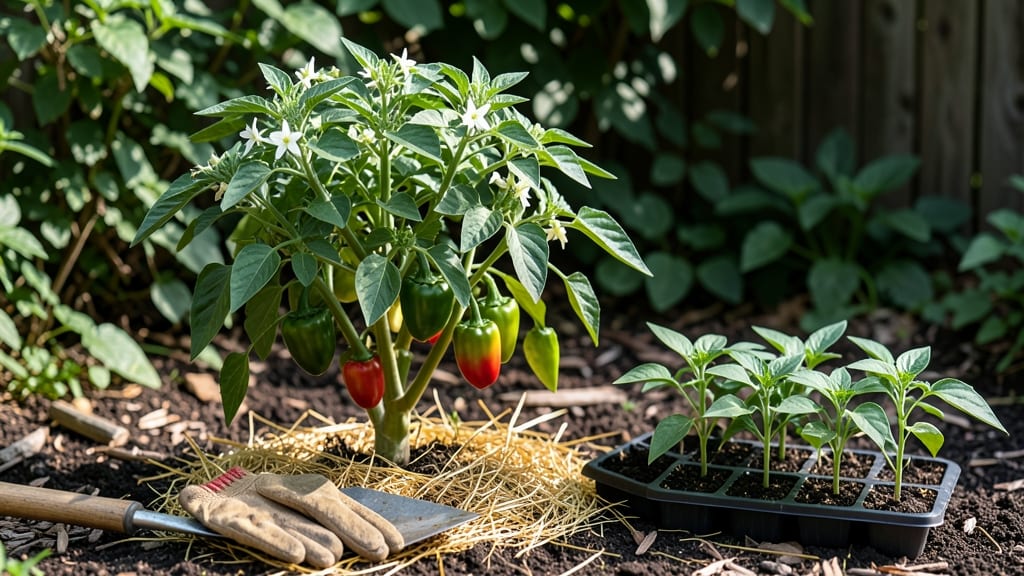
Timing your bell pepper planting in Michigan can mean the difference between a bountiful harvest and a sad, wilted 🌶️ experiment. With the state's unpredictable frosts and short growing season, getting those seedlings in the ground at the right moment is absolutely critical.
Most Michigan gardeners know the general rule: wait until after the last frost date, which typically lands around April 15. But what you might not realize is that soil temperature plays an even bigger role than calendar dates.
Your bell peppers won't thrive until the ground reaches a consistent 60°F, which can happen weeks after the frost danger has officially passed.
Here's the good news: with the right strategies, you can extend your growing window and enjoy peppers well into September. Whether you're starting seeds indoors or transplanting seedlings, I'll show you exactly when to make your move for maximum success in zones 5b-6b.
Let's cut through the guesswork and get you planting with confidence - because nobody wants to watch their hard work turn to mush when temperatures dip unexpectedly. You'll learn the precise windows, microclimate tricks, and variety-specific tips that make all the difference in Michigan's challenging climate.
Michigan bell pepper planting calendar: soil temperature & frost-free deadlines by zone
Michigan’s USDA zones 4-6 create a tight window for growing bell peppers. Unlike heat-loving tomatoes, peppers need consistent warmth—both in soil and air—to thrive. Plant too early, and you’ll end up with stunted, struggling plants. Wait too long, and your harvest shrinks before frost hits in mid-October.
Your best bet? Aim for after the last frost date—typically April 15 in southern Michigan but May 15 in the Upper Peninsula. But don’t just rely on dates—check your soil temperature. Peppers won’t germinate or grow well until the soil hits 60°F (15.5°C).
Here’s how to time it perfectly for your location:
| Location | USDA Zone | Last Frost Date | Optimal Transplant Window | Soil Temp Check |
|---|---|---|---|---|
| Detroit | 6a | April 15 | May 1–15 | 60°F+ |
| Grand Rapids | 5b | May 1 | May 15–30 | 60°F+ |
| Traverse City | 5a | May 10 | June 1–15 | 60°F+ |
| Upper Peninsula (e.g., Marquette) | 4b | May 20 | June 15–30 | 60°F+ |
Pro tip: Use a soil thermometer to confirm warmth before planting. Cold soil can stunt growth for weeks—even if daytime temps feel warm. If your soil isn’t ready by the ideal window, consider starting seeds indoors 8–10 weeks before your last frost date.
For direct sowing (planting seeds outside), wait until soil is 70°F+. This is riskier in Michigan but works for heat-loving varieties like ‘Jupiter’ or ‘Carmen’. Most gardeners opt for transplants from nurseries, which are already hardened off and ready to grow.
If you’re in zone 5 or 6, don’t panic if you miss the early window. Peppers planted in early June can still produce a decent harvest—just use row covers to protect them from late frosts. The key is consistent warmth, not just timing.
For extended harvests, plan to plant successive crops every 2–3 weeks until mid-July. This staggered approach ensures peppers are ready to fruit before frost hits in October.
Remember: Bell peppers need heat. If your garden gets chilly nights, prioritize southern exposures or use black plastic mulch to warm the soil faster. A few degrees can mean the difference between a bountiful harvest and a sad, stunted plant.
Microclimate hacks to extend Michigan’s pepper growing season by 2–4 weeks
Michigan’s short growing season (just 165 frost-free days) can make bell pepper gardening feel like a gamble—but it doesn’t have to be. With the right microclimate strategies, you can push planting dates 2–4 weeks earlier or delay harvests until late September.
The key? Creating a warmer, more sheltered environment for your peppers.
I’ve tested these tactics in my own Zone 6b garden in Traverse City, and they’ve added 30+ days to my harvest window. Whether you’re using row covers, black plastic mulch, or a cold frame, each method has trade-offs.
Let’s break down what works best for ‘Jupiter’ (heat-tolerant) vs. ‘California Wonder’ (classic but sensitive).
🌱 Extending Season Methods
Black Plastic Mulch
- Warms soil 10–15°F faster (reaches 60°F 2 weeks early)
- Suppresses weeds, retains moisture
- Works for direct-sown seeds (no transplant shock)
- Requires clear plastic (not biodegradable)
- Can overheat soil if temps exceed 90°F
- Harder to remove if weeds grow underneath
Row Covers (Floating)
- Adds 4–6°F warmth and protects from light frosts
- Extends harvest by 2–3 weeks in fall
- Works with ‘Jupiter’ peppers (heat-loving varieties)
- Reduces sunlight by 10–15% (thins foliage)
- Requires stakes or hoops (labor-intensive)
- Can trap humidity (risk of fungal issues)
Cold Frames
- Extends season by 4–8 weeks (spring/fall)
- Protects from wind and pests (aphids, flea beetles)
- Best for ‘California Wonder’ (needs consistent warmth)
- Limited to 4–6 plants (space constraints)
- Requires ventilation on hot days
- Can overheat if not monitored
For maximum effectiveness, combine methods. I start with black plastic mulch (laid in early April) to warm the soil, then add row covers in late May to protect from late frosts.
This combo lets me plant ‘Jupiter’ peppers 3 weeks earlier than the average gardener—and still harvest in October.
Pro tip: Use a soil thermometer to monitor temperatures. Bell peppers won’t germinate below 60°F, and roots struggle in cold soil. If your thermometer reads 55°F or lower, wait or use a heat mat under seed trays.
Remember, ‘California Wonder’ peppers are more sensitive to cold than ‘Jupiter’ varieties. If you’re pushing the season limits, opt for heat-tolerant hybrids like ‘Aristotle’ or ‘Carmen’, which handle 85°F+ temps better and recover faster from chilly nights.