
Plants
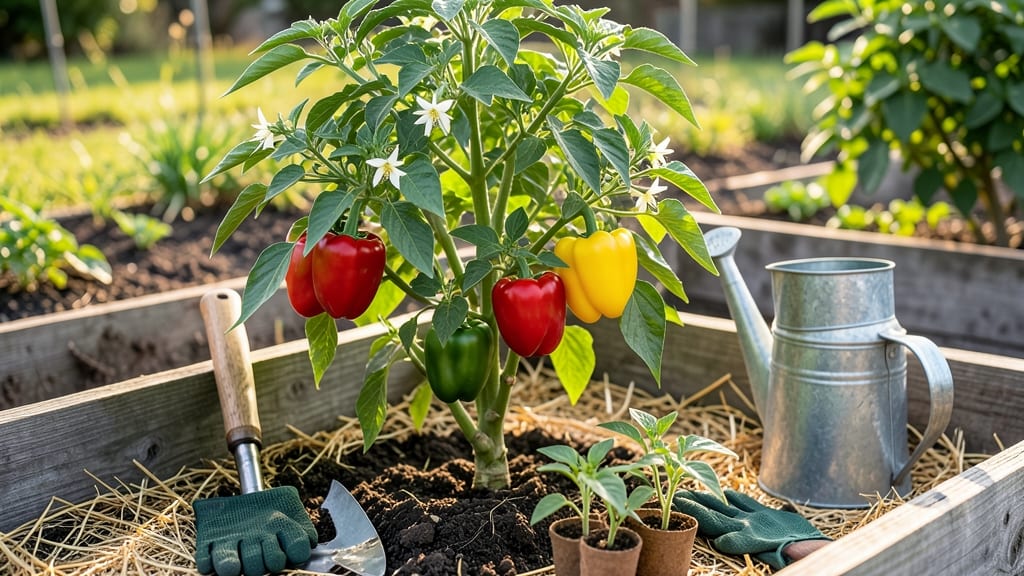
Timing your 🌶️ bell pepper planting in Indiana can mean the difference between a bumper crop and wasted effort. One wrong move—like planting too early—means frost-nibbled seedlings, while waiting too long cuts your harvest short.
The secret lies in understanding your zone's 6a climate, soil temperatures, and last frost dates.
Most Indiana gardeners know the April 15-May 15 window is critical, but what you don’t see are the hidden clues in your soil. Peppers need warmth—60°F+ to thrive—and transplanting too soon can stunt their growth.
I’ll show you exactly how to read your garden’s signals and avoid common mistakes that sabotage even the most eager gardeners.
Whether you’re starting seeds indoors or sowing directly, this guide breaks down the exact timing for your region, plus pro tricks to stretch your growing season.
From companion plants that boost yields to soil prep hacks, you’ll learn how to give your peppers the perfect head start for a summer of crisp, flavorful harvests.
Ready to turn your Indiana garden into a pepper paradise? Let’s dive into the soil temperature secrets that make all the difference—and set you up for a harvest that’ll last from July through October.
Indiana bell pepper planting calendar: soil temperature rules for success
Indiana's USDA Zone 5-6 climate means bell peppers need precise timing to thrive. The last frost date typically falls around April 15 in southern Indiana and up to May 1 in northern regions.
However, soil temperature matters more than calendar dates—peppers won’t grow well until the ground warms to 50°F+ for transplants or 60°F+ for direct sowing.
Rushing planting because of eagerness often backfires. Frost-sensitive seedlings can die overnight, while slow soil warming delays growth. My rule of thumb: Wait until nighttime temps stay above 50°F consistently before transplanting. Use a soil thermometer to confirm—it’s the only way to avoid guesswork.
Northern Indiana gardeners face longer winters, so staggered planting is key. Start transplants indoors 8-10 weeks before last frost (around February 15) and harden them off before moving outside. Southern Indiana growers can direct-sow after May 1, but always check 7-day forecasts for late frosts.
| Stage | Action | Indiana Timeline | Soil Temp |
|---|---|---|---|
| Indoor Start | Sow seeds | Feb 15 - Mar 15 | N/A (indoors) |
| Hardening Off | Acclimate seedlings | Apr 1 - Apr 15 | 50°F+ |
| Transplant Outdoors | Move to garden | Apr 15 - May 15 | 60°F+ |
| Direct Sow | Plant seeds directly | May 1 - May 15 | 65°F+ |
| Harvest Window | Pick peppers | July - October | N/A |
Indiana’s microclimates create regional differences. In southern Indiana (e.g., Evansville), you can plant 2 weeks earlier than in northern areas (e.g., Fort Wayne). Check your local cooperative extension office for precise frost dates—even a 5-day difference affects pepper maturity.
Common mistakes include planting too early and watching seedlings wilt from cold soil or overcrowding plants that struggle to establish. Space transplants 18-24 inches apart and mulch heavily to retain soil warmth. I’ve seen black plastic mulch raise soil temps by 10°F+ in just days.
For direct-sown peppers, wait until nighttime temps stay above 55°F. Seedlings take 7-10 days to germinate in warm soil but 3+ weeks in cool conditions. If you’re impatient, start a few transplants early and direct-sow later for a staggered harvest.
Indiana’s summer heat can also be tricky. Once peppers are established, they thrive in 80°F+ temps, but prolonged heatwaves (>95°F) may cause blossom drop. Provide shade cloth (30-50%) during peak afternoon sun if your garden hits these extremes.
Always test your soil pH before planting—bell peppers prefer 6.0-6.8. Amend with lime or sulfur if needed, and add compost or aged manure for nutrients. My go-to mix is 50% compost, 30% garden soil, and 20% perlite for perfect drainage.
Remember: Patience pays off. Rushing leads to stunted plants, while waiting ensures vibrant, productive peppers all season long. Mark your calendar for April 15 as your earliest transplant date—but always verify with your soil thermometer!
How to extend Indiana’s bell pepper growing season with smart planting tricks
Indiana’s unpredictable spring weather can make growing bell peppers challenging, but smart strategies help you extend the season and boost your harvest. With the right techniques, you can start peppers 4-6 weeks earlier or keep them producing well into fall—even when temperatures dip.
The key is protecting young plants from late frosts and cool nights while maximizing warmth for late-season growth.
One of my favorite season-extending tools is a floating row cover. These lightweight fabrics trap heat and shield seedlings from 20-30°F drops, letting you plant 2-3 weeks earlier than usual.
For example, if your last frost is April 15, row covers let you set out transplants by mid-March in sheltered spots. Just remove them when daytime temps hit 70°F consistently to avoid overheating.
For gardeners in Northern Indiana (Zone 5), a cold frame or mini greenhouse can push your planting window even further. These structures add 5-10°F of warmth and let you start seeds indoors 10-12 weeks before your last frost date.
I’ve had success with ‘Jupiter’ bell peppers grown this way, harvesting full-sized peppers by early July instead of August.
- 📅 Staggered Planting: Sow seeds every 2 weeks from April to June for continuous harvests.
- 🛡️ Row Covers: Use floating fabric to plant 3 weeks early and protect from light frosts.
- 🌡️ Black Plastic Mulch: Warms soil 5-8°F faster than bare ground, speeding up growth.
- 🌿 Companion Planting: Surround peppers with basil or marigolds to repel pests and improve flavor.
- 🏡 Greenhouse Starts: Begin seeds indoors by February for early transplants in Zone 5.
Don’t overlook the power of black plastic mulch—this simple trick can raise soil temps by 5-8°F, helping peppers germinate faster and mature earlier. Lay it down 2-3 weeks before planting to let it warm up, then create small slits for seedlings.
Pair this with drip irrigation to keep roots cool while the mulch heats the soil.
Companion planting is another low-cost, high-reward strategy. Basil planted near bell peppers enhances flavor and deters pests, while marigolds repel nematodes. I’ve also had success with onion family plants, which confuse pepper moths. Just avoid planting peppers near fennel or beans, as these can stunt growth.
For late-season success, focus on heat-tolerant varieties like ‘Carolina Wonder’ or ‘Aristotle’, which thrive in 85-95°F heat—common in Indiana summers. If frost threatens in October, cover plants with row fabric and harvest before temps drop below 50°F.
With these tricks, you can extend your harvest 4-6 weeks later than traditional planting!