
Plants
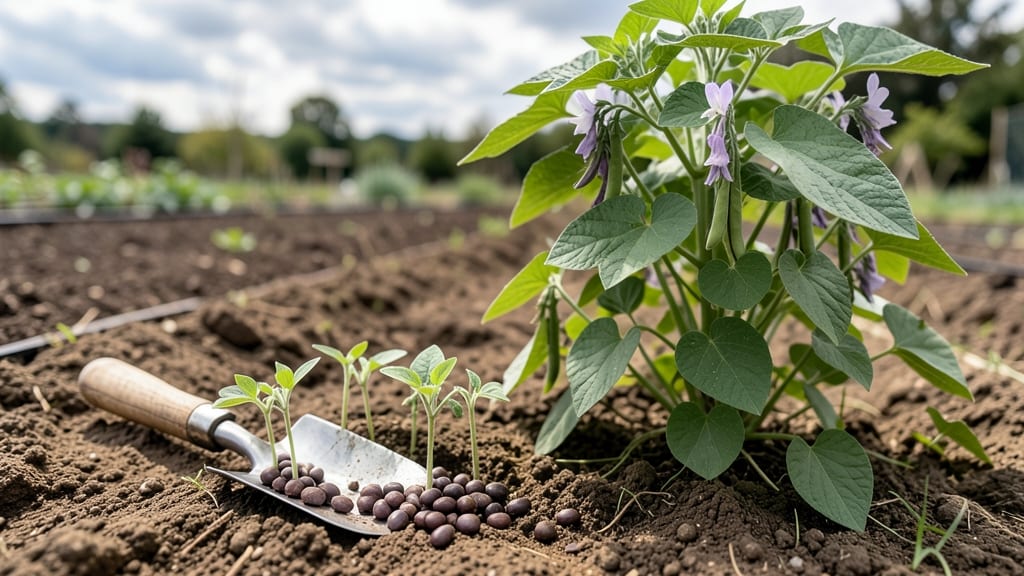
If you're wondering when to plant bush beans in Florida, timing is everything—because those little seeds can turn into a fast harvest of crisp, flavorful pods in just 50-60 days if you play it right.
Unlike northern states, Florida's frost-free climate means you can grow them year-round, but heat and humidity throw a wrench into the plan if you're not careful.
Here's the secret: staggered plantings are your best friend. Start with early spring sowings when soil temps hit 60°F, then follow up with fall crops as summer's brutal heat fades.
This way, you avoid the slow germination and stress that comes with Florida's midday sun beating down on tender seedlings.
I've grown bush beans 🌱 in every Florida zone from 8a to 11, and let me tell you—skipping this strategy means missing out on continuous harvests. The key is working with Florida's climate, not against it. Ready to learn the exact months that work best for your region?
We'll break down the science behind soil temperatures, humidity tricks, and even how to spot the perfect planting window using your local weather patterns. Trust me, once you master this, you'll have beans on the table faster than you can say "garden-fresh."
Florida planting zones for bush beans: best months by region
Florida’s unique climate lets you grow bush beans year-round, but timing matters for fast germination and high yields. Unlike northern states, Florida’s USDA Zones 8a-11 mean no frost worries—but summer heat can stress young plants.
I’ll break down the best planting windows for North, Central, and South Florida, plus how to avoid heat-related failures.
In North Florida (Zones 8a-8b), cooler winters and hotter summers create a two-season planting window. Start seeds indoors 8-10 weeks before your last frost (though frost is rare, early spring chills can slow growth). For outdoor planting, aim for February-March and August-September to dodge peak summer heat.
Central Florida (Zones 9a-9b) enjoys longer growing seasons. You can plant year-round with staggered sowings, but focus on January-February and September-October. These months offer ideal soil temps (60-85°F) and lower humidity, which prevents fungal diseases like bean rust.
South Florida (Zones 10a-11) is the most forgiving—plant anytime! However, June-August heat (above 90°F) can cause poor germination. For best results, stick to spring (March-May) and fall (September-November) when temps are milder and rainfall is balanced.
For successful germination, monitor soil temperature with a soil thermometer. Bush beans thrive when soil is 60-85°F. In North Florida, early spring and late summer often hit this sweet spot naturally. In South Florida, afternoon showers can cool soil—plant after rains to take advantage.
Another key factor is humidity. Florida’s air is naturally humid, but 90%+ humidity during June-August invites fungal diseases. If you must plant in summer, choose dwarf varieties like ‘Blue Lake Bush’ and space plants 4-6 inches apart for better airflow.
I’ve found raised beds help too—they warm up faster in spring and drain better in rainy seasons.
Don’t overlook succession planting. Since bush beans mature in 50-60 days, stagger plantings every 2-3 weeks for a continuous harvest. For example, in Central Florida, start one batch in January, another in March, and a final one in September.
This ensures you’re never without fresh beans—and avoids overcrowded plants competing for nutrients.
Finally, avoid planting near where beans grew last year. Florida’s warm climate means soil-borne diseases like root rot persist longer. Rotate crops with squash, corn, or tomatoes to keep your bush bean patch healthy. With the right timing, you’ll enjoy crisp, sweet pods all year in Florida’s climate!
How to time bush bean planting for maximum germination success
Florida’s long growing season means you can plant bush beans almost year-round, but timing matters for fast germination and healthy growth. The key is avoiding extreme heat (above 90°F) and ensuring soil stays consistently moist during germination.
Most varieties sprout best when soil temperatures hover between 60°F and 75°F, which aligns with Florida’s spring and fall seasons.
For maximum success, I recommend planting bush beans in January through March or September through November. These windows give seeds time to germinate before summer’s brutal heat sets in.
If you’re eager for a summer harvest, opt for heat-tolerant varieties like ‘Contender’ or ‘Blue Lake Bush’ and plant in late May or early June for a late-summer crop.
Here’s my 7-day prep