
Plants
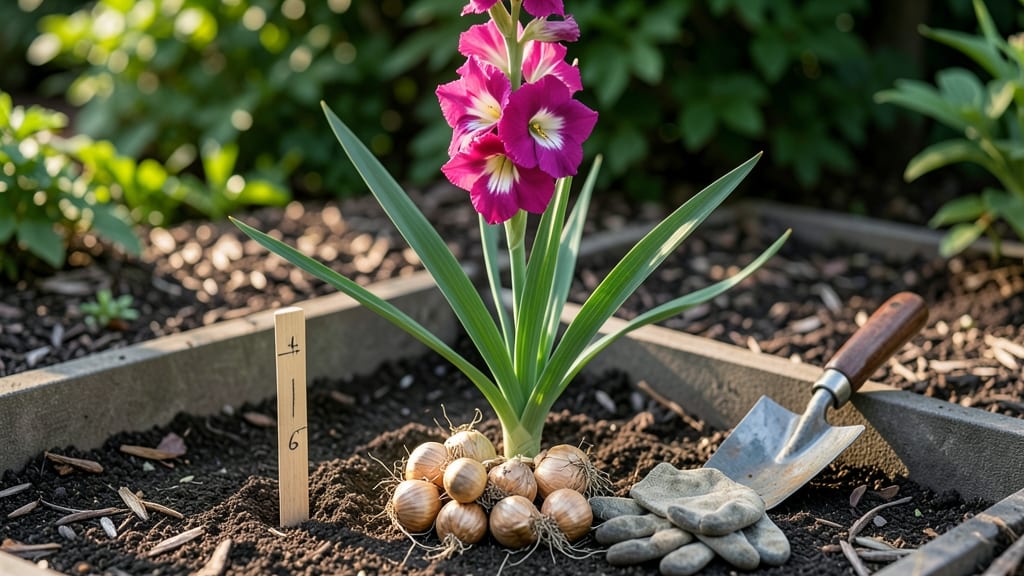
Timing when to plant gladiolus bulbs in North Carolina isn’t just about the calendar—it’s about outsmarting the state’s unpredictable frost pockets and heat surges.
Plant too soon, and your bulbs could rot in lingering cold; too late, and you’ll miss the late-summer blooms that make these spiky beauties worth the wait.
Most of NC falls in USDA Zones 7a-8a, where the last frost typically lingers until mid-April—but that’s just the start. The real secret lies in your specific microclimate: Piedmont’s cooler valleys demand patience, while Coastal Plain’s earlier warmth lets you plant weeks ahead.
I’ll break down the exact windows and soil cues to ensure your Gladiolus thrive without the guesswork.
You’ll also discover how to prep your soil for North Carolina’s clay-heavy or sandy patches, plus a foolproof method to tell when your bulbs are truly ready to go in the ground.
No more waiting until it’s too late or risking weak stems from poor timing—just bold, healthy blooms that’ll turn heads from Raleigh to Asheville.
Ready to transform your garden into a Gladiolus paradise? Let’s dive into the step-by-step schedule that’ll have you digging in at the perfect moment—no frostbite, no wasted effort.
North Carolina heat zones for gladiolus planting: when to plant by region
North Carolina’s USDA Zones 7-8 create distinct planting windows for gladiolus bulbs, where a 2-week difference can mean the difference between vibrant blooms and frost damage.
The Piedmont region (Zone 7a) typically has its last frost around April 15, while the Coastal Plain (Zone 8a) often sees frost-free conditions by March 20.
Understanding these zones helps you avoid planting too early—when soil temperatures are still below 60°F—or too late, risking premature flowering before fall frost.
Soil temperature is your most critical factor. Gladiolus corms need soil to reach at least 60°F before planting. In Zone 7a, this usually aligns with mid-April, while Zone 8a gardeners can start as early as late March.
Use a soil thermometer to confirm—planting in cold soil can stunt root growth and invite rot. Microclimates also play a role; mountainous areas may experience frost until May 1, delaying planting by 2-3 weeks.
Here’s how to match your region to the ideal planting window:
| Region | USDA Zone | Last Frost Date | Ideal Planting Window | Soil Temp Threshold |
|---|---|---|---|---|
| Western NC (Mountains) | 7a | May 1 | Late April–Early May | 60°F+ |
| Piedmont (Raleigh, Greensboro) | 7b | April 15 | Mid-April–Late April | 60°F+ |
| Coastal Plain (Wilmington, Fayetteville) | 8a | March 20 | Late March–Early April | 58°F+ |
| Southeastern NC (Charlotte, Asheville) | 7b-8a | April 1–April 10 | Early April–Mid-April | 59°F+ |
*Planting after these windows risks bolting (premature flowering) or heat stress.
Miss the ideal window? Don’t panic. You can still plant gladiolus bulbs in early June, but expect shorter stems and fewer blooms. For a second flush of flowers, try planting late-summer corms (August) in Zone 8a—they’ll bloom in fall before frost.
Just remember: soil must stay above 60°F for root establishment, even in summer plantings.
Pro tip: Use black plastic mulch to warm soil faster in Zone 7a. This can shave 1-2 weeks off your planting timeline by raising soil temps by 5-10°F.
Just remove it once blooms appear to prevent heat stress on the corms. For container gardeners, use black pots or place containers on dark surfaces to mimic this effect.
Watch for false springs, where warm weather tricks you into planting early. If nighttime temps drop below 50°F after planting, your corms may rot. Use a frost blanket for the first 2 weeks if your region has unpredictable frost dates.
In Zone 8a, this is rarely needed, but mountain microclimates can still surprise you with late frosts.
Gladiolus bulbs planted at the right time will reward you with tall, dramatic spikes reaching 4-5 feet by late summer. In Zone 7a, aim for June 15 blooms; in Zone 8a, you’ll see flowers as early as May 15.
The key is balancing soil warmth, frost risk, and your local microclimate. With this timing guide, you’ll avoid the #1 mistake NC gardeners make: planting too early and losing their investment to rot.
For extended blooms, stagger your plantings by 2 weeks. Start with early varieties in April, then add mid-season bulbs in May. This ensures
North Carolina heat zones for gladiolus planting: when to plant by region
North Carolina’s diverse climate—from the cool mountain regions of Zone 7 to the warmer coastal plains of Zone 8—means gladiolus planting windows vary by 10-14 days.
In Zone 7a (e.g., Asheville), wait until after May 1 to avoid late-spring frosts, while Zone 8a (e.g., Wilmington) can plant as early as mid-April. Microclimates like urban heat islands or high-elevation valleys further shift these deadlines.
Use your local last frost date as your baseline, but add 2-3 weeks of buffer for soil warmth. Gladiolus corms need 60°F+ soil temperatures to thrive—test with a soil thermometer or wait until forsythia bushes bloom reliably. Coastal areas hit this threshold 2-3 weeks earlier than Piedmont regions.
For Zone 7 gardens, prioritize late-May planting if nighttime temps dip below 55°F. In Zone 8, you can stretch planting into early June for fall blooms, but expect shorter stems from late-season growth. Always plant after your local azalea blooms—a natural frost-free indicator.
Pro tip: Pre-sprout corms indoors under grow lights 4-6 weeks before your target planting date to jumpstart growth. This offsets Zone 7’s delayed windows and gives you a 2-week head start on blooms. Use clear plastic domes to maintain humidity during sprouting.
Watch for yellowing corm bases or mushy stems—signs of overwatering or cold soil. In humid coastal areas, add a 2-inch sand layer at the bottom of planting holes to improve drainage and prevent rot. Mulch with straw (not wood chips) to stabilize soil temps.
Remember: Gladiolus are short-day plants, meaning they flower based on daylight hours—not just temperature. Planting too late in Zone 8 can trigger bolting (premature flowering) before stems reach full height. Aim for June 15 as your cutoff for summer-long blooms.