
Plants
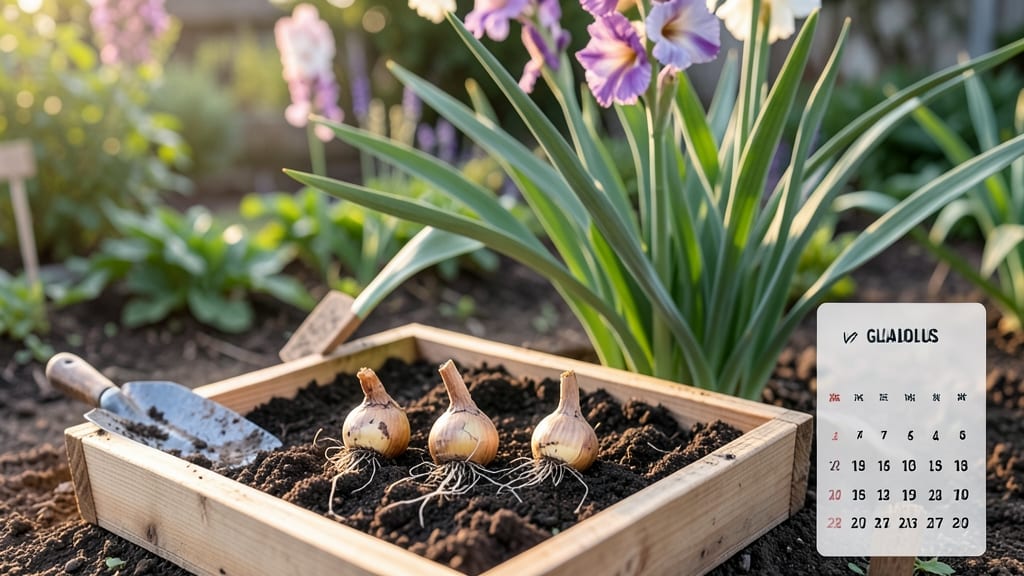
If you're dreaming of show-stopping summer blooms but Indiana’s fickle spring weather has you second-guessing your planting schedule, timing your gladiolus bulbs is the game-changer you need. The difference between vibrant, healthy flowers and a wasted season often comes down to those 4-6 weeks before your last frost date.
In USDA Zone 6a, like much of Indiana, the sweet spot for planting gladiolus bulbs is between late April and early June—when soil temperatures hit 60°F and frost-free days stretch ahead.
Planting too early risks cold damage, while waiting too long can stunt growth before summer’s peak bloom season arrives.
I’ve seen firsthand how a few weeks can mean the difference between a garden full of towering gladiolus 🌸 and a patch of struggling corms. The key isn’t just the calendar—it’s understanding your soil, sunlight, and local microclimates to fine-tune your schedule.
Let’s break down exactly when, why, and how to plant for bold summer color that lasts from July through September—without the guesswork. You’ll learn the 5 critical factors that determine success and how to avoid Indiana gardeners’ most common mistakes.
Indiana’s ideal gladiolus planting timeline by USDA Zone (5-6)
Gladiolus bulbs thrive in Indiana’s USDA Zones 5-6, but timing is everything—plant too early and frost will damage tender shoots, too late and you’ll miss summer’s show-stopping blooms.
The perfect window is just 4-6 weeks before your last frost date, typically late April through early June for most of the state.
Indiana’s last frost date usually falls around April 15, but this varies by microclimate. Northern Indiana (Zone 5) may wait until mid-May, while southern Indiana (Zone 6) can plant as early as late April. Check your local frost-free date to avoid risking your bulbs.
Soil temperature is another critical factor—gladiolus corms need 60°F+ soil to sprout. In Indiana, this typically aligns with May, but early April plantings in well-drained soil can work if nights stay above 40°F. Use a soil thermometer to confirm before planting.
Here’s your month-by-month Indiana planting guide for gladiolus success:
| Month | Planting Window | Soil Temp | Key Notes |
|---|---|---|---|
| Late April | Southern Indiana (Zone 6) | 50-55°F | Risky if frost threatens; use row covers |
| May | Ideal for all zones | 60-70°F | Best time for blooms by July |
| Early June | Northern Indiana (Zone 5) | 65°F+ | Late but still reliable for summer flowers |
For extended summer blooms, try succession planting every 2-3 weeks from May through June. This ensures fresh flowers from July through September, giving you a non-stop color show in your garden.
Pro tip: Mark your planting date on a calendar and count back 120 days to estimate your first bloom date. Indiana’s long growing season makes this possible—just avoid planting after July 1st, or your gladiolus may not mature before frost.
Remember, gladiolus bulbs (called corms) are hardy but frost-sensitive. Even a light frost can damage emerging shoots, so always monitor your local forecast and have row covers ready if late frosts linger.
Once planted, consistent moisture is key—water deeply 1-2 inches per week to encourage strong root growth. Mulch around the base to retain moisture and regulate soil temperature.
With the right timing, your gladiolus will reward you with stunning sword-like spikes in vibrant colors like pink, purple, red, and white. These cutting garden stars also make long-lasting bouquets, so plan your planting schedule now for a summer full of beauty.
Indiana’s ideal gladiolus planting timeline by USDA Zone (5-6)
Indiana’s USDA Zones 5-6 create a unique challenge for gladiolus growers—cool springs and warm summers demand precise timing. The last average frost date (around April 15) marks your starting point, but soil temperature and daylight hours also play critical roles.
Planting too early risks frost damage, while waiting too long can delay those showy summer blooms you love.
For Indiana gardeners, the ideal planting window spans from late April through early June, with May being the sweet spot. This timeline ensures your gladiolus corms establish roots before summer heat arrives.
Rural areas may have slightly earlier windows, while urban heat islands might push planting dates a week later.
| Stage | Action | Indiana Timing |
|---|---|---|
| Soil Prep | Amend soil with compost, ensure drainage | March-April |
| Planting | 4-6" deep, 6" apart, pointy end up | Late April-Early June |
| First Blooms | Lower buds open, stems firm | July-August |
| Peak Bloom | Full summer display | August-September |
| Frost Prep | Dig and store corms before first frost | October-November |
Here’s how to break it down by month: In April, only plant in southern Indiana where frost risk is lowest. By May, most of the state is safe—this is when I plant my gladiolus bulbs for the most reliable blooms.
If you miss May, don’t panic: early June plantings still work, though flowers may arrive slightly later in the season.
Pro tip: Use a soil thermometer to confirm your soil is at least 60°F before planting. In Indiana’s cooler northern regions, this often means waiting until mid-May. Warmer southern counties can start as early as late April.
The key is consistent warmth—gladiolus corms won’t sprout until soil temperatures stay above 55°F for several days.
Remember that daylight hours also affect timing. Gladiolus need 12+ hours of daylight to initiate flowering. In Indiana, this typically happens by mid-May, which is why planting before then can result in spindly stems with fewer blooms.
For maximum flower production, aim to have your corms in the ground by May 15 in most of the state.
For container growers, the timeline shifts slightly. Start gladiolus corms indoors in late March under grow lights, then transplant outdoors after the last frost. This gives you a 2-3 week head start on garden plantings, extending your bloom season.