
Plants
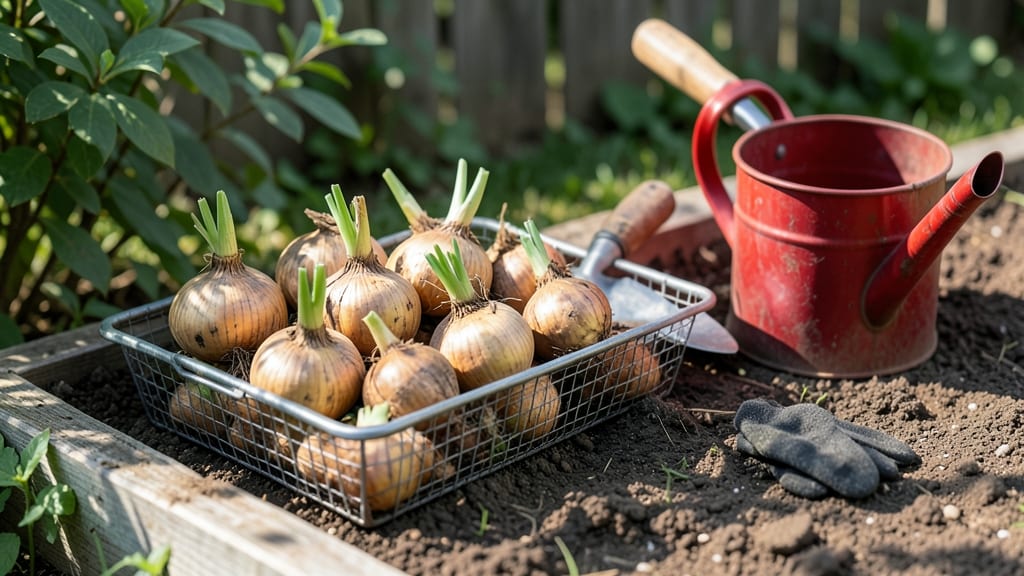
Timing when to plant gladiolus bulbs in the UK just right is the secret to those jaw-dropping summer blooms that make your garden the talk of the neighborhood. Plant too early, and frost will nip your dreams in the bud—literally.
Too late, and you might miss the ideal window of April to early June when the soil warms up and the risk of frost fades.
I’ve seen firsthand how a few weeks can make all the difference between a garden bursting with 🌷 gladiolus spikes and a patch of disappointed dirt.
The UK’s 8-10 zones (like London’s 8a or southern England’s 9b) add another layer, so knowing your region’s last frost date is key—because even the hardiest bulbs won’t forgive a surprise freeze.
What if you could guarantee those towering, dramatic blooms every summer? The answer lies in preparing your soil, spacing those bulbs correctly, and giving them the full sun they crave.
I’ll walk you through the exact steps to set them up for success, so you’re not left wondering why your glads are underwhelming.
Let’s cut to the chase: planting gladiolus bulbs in the UK isn’t rocket science, but it is about timing, soil, and a little know-how. Stick with me, and you’ll be on your way to a garden that turns heads—and not just from the neighbors peeking over the fence.
UK gladiolus planting calendar: exact weeks for spring success
Gladiolus bulbs thrive in the UK when planted at the right time—typically between mid-April and early June, after the last frost has passed. This window ensures your dramatic sword-shaped blooms emerge strong and vibrant, rather than succumbing to frost damage or slow growth.
The exact timing depends on your region, as Scotland’s cooler climate lags behind southern England’s warmer springs.
For most of the UK, aim to plant gladiolus bulbs 6-8 weeks before your area’s first expected frost. In London and the Southeast, this usually means late April to early May.
Meanwhile, gardeners in Scotland and Northern Ireland should wait until early to mid-May to avoid frost risks. Wales and the Midlands fall somewhere in between, with early May being the safest bet.
🌷
| Region | Ideal Planting Window | Last Frost Date | Key Tip |
|---|---|---|---|
| Southeast England (London, Kent) | Late April–Early May | Mid-April | Plant early for longer blooming season |
| Midlands (Birmingham, Manchester) | Early–Mid May | Early May | Wait for soil to warm above 10°C |
| Scotland & Northern Ireland | Mid–Late May | Late May | Use frost blankets if planting early |
| Wales & Northwest England | Early May | Early May | Monitor local frost forecasts |
If you’re unsure about your local frost dates, check the Met Office’s frost forecast or use a simple soil thermometer to confirm the ground has warmed to at least 10°C (50°F).
Gladiolus bulbs won’t sprout until the soil reaches this temperature, so rushing them into cold soil can stunt their growth entirely.
For gardeners in warmer microclimates, like coastal areas or sheltered gardens, you might push planting to early April. However, even these spots can experience late frosts, so always have frost cloths ready to protect young shoots.
Conversely, if your spring is unusually late, don’t despair—gladiolus bulbs can still be planted as late as early June, though you’ll sacrifice some bloom time.
Another pro tip: Chitting bulbs (pre-sprouting indoors) gives them a head start. Place bulbs in a cool, bright spot (like a windowsill) in late March to encourage early growth. This is especially useful in cooler regions where the growing season is shorter.
Just avoid letting the sprouts get too long before planting—they should be about 2-3 inches tall when you pop them into the ground.
Once you’ve nailed the timing, focus on well-draining soil and a sunny spot (at least 6 hours of sunlight daily). Gladiolus bulbs reward precise planting with bold, show-stopping blooms that last from July to September, making them a gardener’s secret weapon for summer color.
🌿
How to prepare gladiolus bulbs for UK planting: soil, depth & spacing secrets
Preparing your gladiolus bulbs properly before planting is the secret to vibrant summer blooms. In the UK’s cool, damp climate, bulbs need extra care to avoid rot and disease.
Start by chitting bulbs indoors 4–6 weeks before your target planting date—this jump-starts growth and gives you a head start on the season.
Test your soil pH (aim for 6.0–6.8) using a simple kit from garden centers. Gladiolus bulbs thrive in well-draining soil, so amend heavy clay with compost or grit if needed. A raised bed can also improve drainage in wet UK winters.
- Symptoms: Yellowing leaves, soft stems, blackened bulbs
- Fix: Plant in mounds or raised beds; avoid waterlogging
- Prevent: Use containers with drainage holes if your garden stays soggy
When planting, dig holes 4–6 inches deep—deeper in sandy soil (6 inches) and shallower in clay soil (4 inches). Space bulbs 6–8 inches apart in rows, with 12 inches between rows for easy maintenance. This spacing prevents crowding and fungal diseases like botrytis.
Add a handful of bulb fertilizer (high in phosphorus) to each hole to encourage strong roots. Gently place the bulb with the pointy end facing up—this ensures upright growth. Cover with soil, leaving the top 1/3 of the bulb exposed to prevent rot.
Mulch around the base with straw or bark chips to retain moisture and suppress weeds. Water lightly after planting to settle the soil, then reduce watering until shoots appear. Avoid overwatering in spring, as soggy soil can rot bulbs before they establish.
For container growing, use pots with drainage holes and a well-draining mix (50% compost, 30% perlite, 20% sand). Plant one bulb per 4-inch pot to prevent competition. Containers warm up faster in spring, giving you a 2–3 week earlier start than ground planting.
Finally, mark your gladiolus rows with plant labels or pebbles—these tall blooms can outgrow your memory by summer! With proper prep, your bulbs will reward you with dramatic spikes of color from July to September.