
Plants
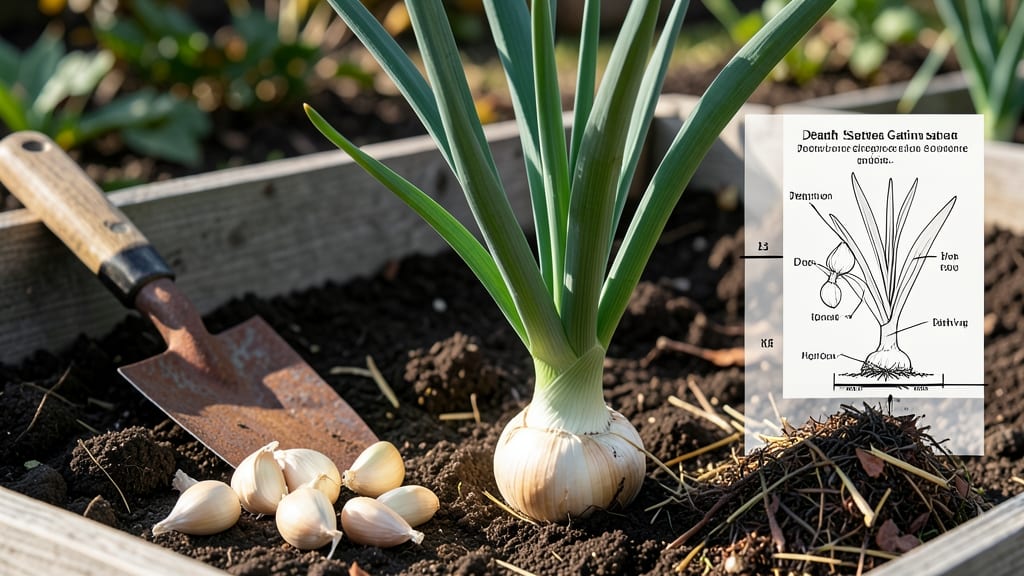
Timing your 🧄 garlic planting in San Diego isn't just about following a calendar—it's about mastering the microclimates that can make or break your harvest.
With no frost to worry about, you might think you have all winter to plant, but rushing or waiting too long could leave you with small, weak bulbs instead of the plump, flavorful harvest you're after.
Most gardeners here plant between October and November, but whether you're in coastal La Jolla or inland Temecula, the perfect window shifts based on soil temperatures and rainfall patterns.
I'll show you exactly how to read your local cues—like when to adjust for wetter winters or drier inland zones—to get your garlic off to the strongest start.
You'll also discover why hardneck varieties like Rocambole thrive in cooler highland areas while softnecks like Artichoke do better in warmer coastal spots. These small tweaks can mean the difference between a mediocre harvest and bulbs so large they'll make your neighbors jealous.
Let's dive into the exact planting schedule, soil prep secrets, and care tips that'll have you harvesting June through July with zero frost risk—no guesswork, just guaranteed success for San Diego's unique growing conditions.
San Diego garlic planting calendar: coastal vs inland frost-free zones
San Diego’s frost-free winters create a unique opportunity for garlic growers, but the coastal vs inland divide means your planting window can vary by 3-4 weeks.
Unlike northern climates, you won’t need to worry about frost damage, but soil temperatures and rainfall patterns still dictate the perfect planting time for plump bulbs.
Coastal areas like La Jolla and Del Mar (Zone 10a) can plant as early as late September, while inland spots like Temecula and Ramona (Zone 9b) should wait until mid-October.
The goal? Plant when soil temps hover between 50-60°F—cool enough for root establishment but warm enough to avoid rot risk from soggy soil.
Hardneck varieties (like Rocambole) thrive in cooler inland zones, while softneck varieties (like Silverskin) handle coastal humidity better. Your choice affects planting timing by up to 2 weeks, so let’s break down the exact windows for each microclimate.
| Factor | Coastal (Zone 10a) | Inland (Zone 9b) |
|---|---|---|
| Ideal Planting Window | Late September - Early November | Mid-October - Mid-November |
| Soil Temp Requirement | 55-60°F (13-16°C) | 50-55°F (10-13°C) |
| Best Varieties | Silverskin, Artichoke | Rocambole, Purple Stripe |
| Rainfall Adjustment | Plant earlier if dry | Delay if wet soil |
| Harvest Window | Late June - Early July | Mid-July - Late July |
🌱 Pro Tip: Use a soil thermometer to verify temps before planting—coastal areas can be 5-10°F warmer than inland spots at the same date.
If you’re in a transition zone (like Carlsbad or Escondido), aim for early October as a compromise. These areas experience cooler nights than the coast but avoid the hot inland summers that stress garlic.
For urban gardeners in San Diego proper, late October works well—just monitor your soil’s moisture level to prevent waterlogging during our occasional winter downpours.
One common misconception is that garlic can be planted anytime in San Diego. But planting in December or January risks overly wet soil, which leads to rotten cloves.
Conversely, planting in August or September gives the bulbs too little time to mature before summer heat returns. The 6-month growing cycle is non-negotiable for quality harvests.
For hardneck varieties, which produce those prized scape shoots, inland zones are ideal—they need cooler winter temps to form scapes. Coastal gardeners can still grow hardnecks, but expect smaller bulbs and fewer scapes. Softneck varieties, meanwhile, store better and handle the humidity of coastal gardens with ease.
To extend your planting window slightly, consider raised beds. They warm up faster in fall and drain better than in-ground soil, giving you a 2-week flexibility on either side of the ideal windows. Just ensure your bed has well-draining soil mixed with compost—garlic hates soggy feet.
Finally, don’t forget that elevation matters. Areas like Mount Laguna (5,000+ ft) can plant as late as November 1st due to cooler temps, while Chula Vista (sea level) should be planted by October 15th.
Use these guidelines as a starting point, then adjust based on your specific microclimate’s last 3 years of weather patterns.
With the right timing, you’ll harvest plump, flavorful bulbs by mid-summer—just in time for grilling season and homemade pest sprays. The key is patience: plant early enough for root growth but not so early that your garlic bolts prematurely in the heat.
5 Critical factors that determine your perfect garlic planting date
San Diego’s microclimates create unique challenges for garlic growers. While coastal areas like La Jolla stay frost-free year-round, inland spots near Temecula can experience cooler nights. Understanding these 5 critical factors ensures your garlic thrives regardless of location.
First, soil temperature is non-negotiable. Garlic cloves need soil between 60-65°F to sprout. Coastal areas hit this mark by mid-October, while inland zones may need to wait until November. Use a soil thermometer to confirm before planting.
Rainfall patterns directly impact planting success. San Diego’s winter rains can cause waterlogged soil, which rots garlic cloves. Coastal areas get more rain, so plant in October to avoid soggy conditions. Inland zones with less rain can extend planting to December.
🌱 Critical Factors Comparison
| Factor | Coastal (Zone 10a) | Inland (Zone 9b) |
|---|---|---|
| Soil Temperature | 60-65°F by Oct 15 | 60-65°F by Nov 1 |
| Rainfall Risk | High Oct-Dec | Moderate Oct-Dec |
| Elevation Adjustment | 0-500 ft | 500-2000 ft |
| Variety Suitability | Softneck preferred | Hardneck or Rocambole |
| Urban vs Rural | Container-friendly | In-ground preferred |
Next, elevation changes affect planting dates. Every 1000 feet of elevation drop delays soil warming by about 2 weeks. If you're gardening in Carlsbad Hills (elevation 500-1000 ft), plant 2 weeks later than coastal areas. For Mount Laguna (2000+ ft), wait until December.
Variety selection matters more in San Diego than most regions. Softneck varieties like Silverskin thrive in coastal zones with mild winters, while hardneck types like Rocambole need cooler inland conditions to form bulbs. Choose Artichoke for urban containers—it adapts to both climates.
Finally, urban vs rural growing conditions require adjustments. Urban gardeners in San Diego County often use containers, which dry out faster. Plant in October and water daily until roots establish. Rural gardeners with in-ground plots can plant later and rely on mulch to retain moisture during winter rains.