
Plants
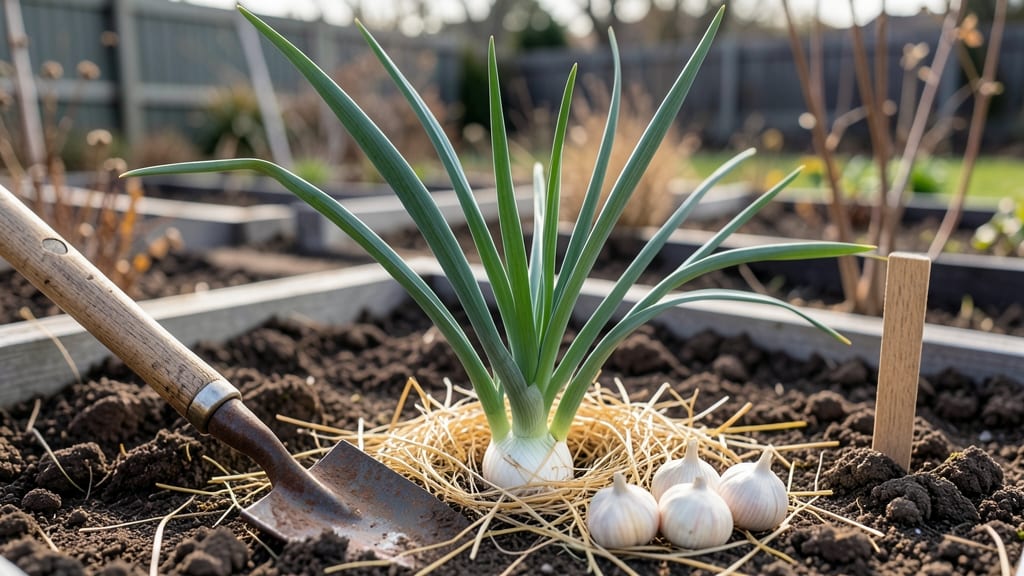
Timing your 🧄 garlic planting in New Hampshire isn't just about luck—it's the key to growing plump, flavorful bulbs that thrive in your 5b-6b climate. Plant too early or late, and you risk weak growth or wasted effort, especially when unpredictable frost dates come into play.
Most gardeners in NH swear by mid-to-late fall planting (October-November) as the golden window, but there's more to it than just the calendar. Soil temperatures, moon phases, and even your local microclimate can shift the ideal timeline by weeks.
I'll break down the science-backed secrets to nailing your garlic's start—so you can skip the guesswork and enjoy a harvest fit for a New England winter.
Did you know lunar cycles can actually boost your garlic's growth potential? Planting during the right moon phase isn't just old wives' tales—it's rooted in real agricultural timing that works especially well for NH's short growing season.
We'll cover how to sync your planting with the moon while accounting for your specific frost dates.
From choosing cold-hardy varieties to perfecting your soil prep, this guide gives you everything you need to turn your NH garden into garlic-growing gold. Let's get those cloves in the ground at exactly the right moment for maximum success.
Best planting windows for New Hampshire garlic: hardiness zones & frost dates
New Hampshire’s USDA Zones 3b-5a create unique challenges for garlic growers. Unlike warmer climates, NH’s short growing season and early frost dates demand precise timing. The best window for planting garlic in NH is mid-October to mid-November, giving bulbs time to establish roots before winter dormancy.
This aligns with NH’s average first hard frost around October 15 and last frost around May 15.
For hardneck varieties (the preferred choice for NH), aim to plant 4-6 weeks before the ground freezes. This typically means late September to early November, depending on your microclimate.
Coastal areas like Portsmouth may have slightly later frost dates, while inland regions like Concord need earlier planting. Soil temperatures should be below 40°F (4°C) for optimal cold hardening.
Don’t overlook spring planting as a backup option! While less common, planting in early March can work if you use well-rotted manure or compost to warm the soil. This method is riskier due to NH’s unpredictable spring weather and shorter growing season, but can yield small harvests if done correctly.
Here’s a quick reference for NH’s garlic planting timeline based on your location:
| Region | Best Planting Window | Soil Temp Goal | Notes |
|---|---|---|---|
| Northern NH (Zones 3b-4a) | Late September - Early October | Below 40°F (4°C) | Earliest frost risk; use mulch |
| Central NH (Zones 4b-5a) | Mid-October - Mid-November | Below 40°F (4°C) | Ideal for hardneck varieties |
| Southern NH (Zones 5a-5b) | Late October - Early November | Below 40°F (4°C) | Coastal areas may extend to early December |
| Spring Planting (Backup) | Early March | 40-50°F (4-10°C) | Risky; use compost to warm soil |
When selecting your planting window, prioritize soil temperature over calendar dates. Use a soil thermometer to confirm temperatures are below 40°F (4°C).
If your soil warms up unexpectedly in late fall, cover planted garlic with 4-6 inches of straw mulch to protect it from freezing-thaw cycles that can damage cloves.
Pro tip: NH’s microclimates can vary dramatically. If you’re near a large body of water (like Lake Winnipesaukee), your frost dates may be 1-2 weeks later than inland areas.
Observe your garden’s specific patterns for 3 years to refine your planting schedule. Keep a garden journal to track when your garlic thrives best!
For hardneck varieties, which are best suited to NH’s climate, aim to plant when daytime temperatures consistently drop below 50°F (10°C). This typically occurs in late October for most of the state.
The key is to give garlic cloves enough time to develop strong root systems before winter sets in.
If you’re new to growing garlic in NH, start with small batches of 3-5 cloves to test different varieties and planting times. This low-stakes approach helps you learn what works best in your specific microclimate without risking a large investment.
Remember, NH’s short growing season means every day counts—don’t delay planting!
One common mistake NH gardeners make is waiting too long to plant in the fall. If you miss the October-November window, your garlic may not establish sufficient roots before winter, leading to poor yields or no harvest at all.
Mark your calendar now and set a reminder for mid-October to ensure you’re ready to plant.
For those considering spring planting, be aware that garlic planted in March will have only 120-150 frost-free days in NH, compared to the 240+ days needed for a full harvest. Spring-planted garlic is best used for green garlic (harvested before bulbing) rather than mature bulbs.
If you choose this route, select smaller cloves (they grow faster) and use black plastic mulch to warm the soil.
Lunar planting secrets: how moon phases affect garlic growth in NH’s climate
New Hampshire’s short growing season means every day counts—especially when planting garlic. The moon’s phases can actually influence your garlic’s growth, helping roots establish faster or bulbs develop stronger. For NH gardeners, timing plantings with the rooting phase (waning moon) ensures deeper, hardier bulbs before winter sets in.
Garlic thrives when planted during the waning crescent moon (7 days after full moon) or last quarter moon. This aligns with nature’s energy flow, encouraging root growth before dormancy. Avoid planting during a full moon—excessive moisture can lead to rot in NH’s damp soils.
Here’s how lunar cycles interact with NH’s climate for garlic success:
- 🌑 Full Moon: Avoid planting—excess moisture risks rot in NH’s cool, wet soils.
- 🌒 Waning Moon (7 days after full): Ideal for planting—roots grow deep before winter.
- 🌓 First Quarter: So-so timing—bulbs may develop unevenly in NH’s variable spring.
- 🌘 New Moon: Best for soil prep—loosen earth when moon is darkest for easier planting.
- 🌕 Waxing Gibbous: Risky—fast growth may stress garlic in NH’s short season.
For fall planting (October–November), aim for the waning moon to maximize root establishment before frost. If you’re a spring planter (March), the first quarter moon helps bulbs mature faster during NH’s brief summer. Pro tip: Use a moon phase calendar to track ideal dates—NH’s unpredictable weather demands precision!
Lunar timing also affects soil preparation. Work the soil during a waning moon to improve drainage, or during a new moon to enhance fertility. In NH’s rocky soils, this makes a real difference in bulb formation. Pair lunar planting with well-draining beds for foolproof results.
Don’t overlook the harvest moon in late summer—this is your cue to pull garlic when bulbs are plump. NH’s July–August harvest aligns with the moon’s peak energy, ensuring sweeter, firmer cloves. Mark your calendar now!
Experiment with lunar planting for just one season—you’ll notice stronger stems, larger bulbs, and fewer pests. In NH’s challenging climate, every advantage counts! 🌱