
Plants
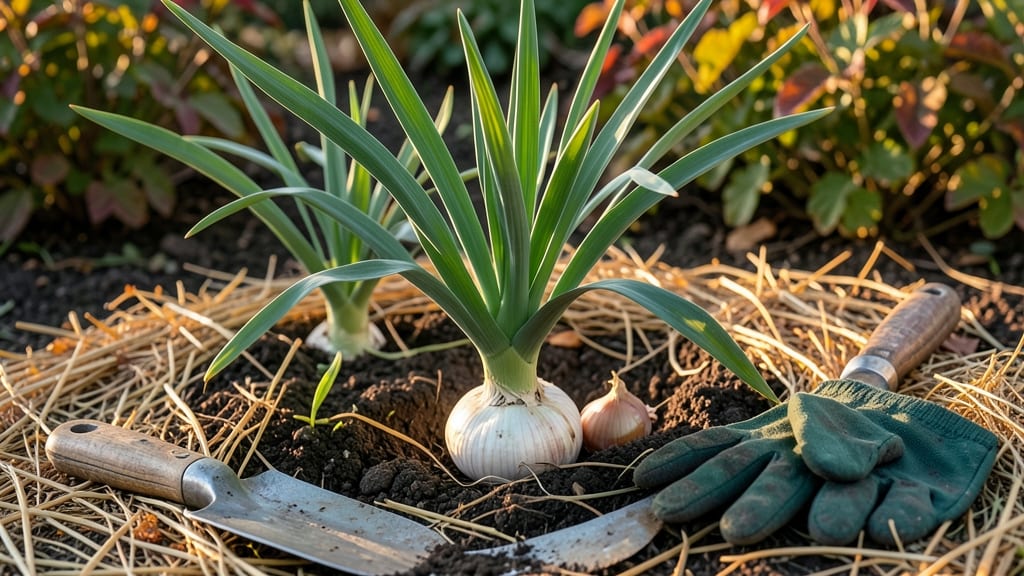
Planting garlic in New York at the wrong time could mean the difference between a thriving harvest and wasted effort. The key to success lies in understanding the perfect fall window—when soil temperatures drop but frost hasn’t yet set in.
For New York’s 6a zone, timing is everything, and missing it by even a few weeks can stunt your 🧄 crop before it starts.
Most gardeners swear by planting between October and November, but why? This window gives garlic roots time to establish before winter dormancy kicks in. Hardneck varieties, popular for their robust flavor, need cold exposure to form bulbs, while softnecks are more adaptable but still benefit from early planting.
The goal? Get those cloves in the ground 4-6 weeks before the first frost—typically by late October in most of New York.
What happens if you plant too early or late? Too soon, and your garlic may sprout prematurely, only to be killed by frost. Too late, and it won’t have enough time to mature before summer heat arrives.
The solution? Monitor soil temperatures—ideal planting conditions occur when they’re between 40°F and 50°F. This ensures strong root development without risking frost damage.
Don’t let New York’s unpredictable weather derail your garlic dreams. With the right timing, soil prep, and a little patience, you’ll be harvesting plump, flavorful bulbs by next July or August.
Let’s break down exactly how to nail the planting window for your variety—and set yourself up for a bumper crop.
Best planting months for garlic in New York: hardneck vs softneck breakdown
New York’s USDA Zones 5-7 create a unique challenge for garlic growers—timing is everything. Unlike warmer climates, hardneck garlic thrives with a cold period, while softneck varieties offer flexibility. The key? Planting 4-6 weeks before the ground freezes (typically mid-October to early November) to ensure roots establish before winter.
This window aligns with New York’s average first frost date of October 31.
Hardneck garlic, like ‘Music’ or ‘German White’, needs cold to form bulbs, making fall planting mandatory. Softneck types (e.g., ‘Silverskin’) can handle fall or early spring planting, but spring plantings risk smaller yields.
I’ve found that late-September to early December works for both, but hardnecks planted after November 15 may struggle in colder zones like Upstate New York.
Here’s the critical difference: Hardneck garlic relies on vernalization (cold exposure), while softneck garlic stores better long-term but lacks the robust flavor. For New York’s climate, hardnecks are the star—they produce scapes (edible stems) in summer and larger bulbs.
Softnecks, though, tolerate warmer winters better, like in Long Island or Western NY.
🌱 Garlic Planting Timeline for New York
| Variety | Best Planting Window | Cold Requirement | Yield Notes |
|---|---|---|---|
| Hardneck (e.g., 'Music') | October 1–November 15 | Requires 40–60°F for 4–8 weeks | Larger bulbs, scapes in July |
| Softneck (e.g., 'Silverskin') | October 1–December 15 or March 1–April 15 | Tolerates mild winters | Smaller bulbs, stores longer |
💡 Pro Tip: Use a soil thermometer—plant when soil reaches 50–60°F.
Microclimates in New York complicate timing. In Zone 5 (e.g., Buffalo), aim for early October planting to avoid early freezes. In Zone 7 (e.g., NYC), you can push to mid-November.
I’ve seen hardnecks planted in December survive in protected beds with 6+ inches of mulch, but yields drop by 30–50%. Always check your local cooperative extension service for frost forecasts.
Soil prep is just as critical as timing. Garlic hates waterlogged soil and thrives in well-draining, slightly acidic (pH 6.0–7.0) loam. Before planting, amend your beds with compost or aged manure and avoid fresh nitrogen—it promotes leafy growth over bulbs.
In my Upstate garden, I mix in sand for heavy clay soils to prevent rot during New York’s wet springs.
One common mistake? Planting store-bought garlic (often treated to prevent sprouting). Instead, source organic seed garlic from reputable suppliers like Johnny’s Selected Seeds or New York’s Hudson Valley Seed Library.
Seed garlic should have plump cloves with paper-thin skins. Break apart bulbs just before planting—don’t store them longer than 2 weeks or they’ll dry out.
For spring planting (softnecks only), wait until soil temps hit 50°F—usually mid-March to early April in New York. This method skips the cold requirement but results in smaller bulbs. I’ve tried it with ‘Artichoke’ softnecks and got 60% of the yield compared to fall-planted hardnecks.
If you’re short on time, it’s better than nothing, but fall planting is non-negotiable for hardnecks.
Harvest timing starts in July for hardnecks (when lower leaves brown) and August for softnecks. But don’t rush—bulbs need full maturity for flavor and storage.
In humid New York summers, harvest on a dry day and cure bulbs in a shady, well-ventilated spot for 2–3 weeks before braiding or storing. Skipping this step leads to moldy garlic.
🌱 Remember: New York’s unpredictable springs can delay planting. If you miss the fall window, start seed garlic indoors in February under grow lights and transplant after last frost (mid-May in most areas). It’s not ideal, but better than no garlic at all!
Best planting months for garlic in New York: hardneck vs softneck breakdown
New York’s USDA Zones 5-7 create a unique challenge for garlic growers—fall planting is critical, but timing must align with your specific region’s first frost dates. Most of New York experiences its first frost between October 15-31, so aim to plant 4-6 weeks before ground freezes.
This typically means mid-October to early November for hardneck varieties, which are the star performers in our climate.
For softneck garlic, you have flexibility—plant in fall (October-November) like hardneck, OR try a spring planting (March-April) if you miss the fall window.
However, spring-planted softneck often yields smaller bulbs due to New York’s short growing season. Hardneck varieties like ‘Music’ or ‘German White’ thrive in our winters, producing larger bulbs and flavorful scapes.
Here’s the key difference: Hardneck garlic needs cold vernalization (4-6 weeks below 40°F) to form bulbs, while softneck can tolerate slightly warmer soils. In Upstate New York (Zones 5-6), plant by October 15; in Long Island/City (Zone 7), extend to November 1.
Soil temperature should be 40-50°F at planting time.
| Variety Type | Best Planting Window | Cold Requirements | New York Notes |
|---|---|---|---|
| Hardneck (e.g., 'Music', 'German White') | October 15–November 1 | 4-6 weeks below 40°F | Best for Upstate; scapes harvest in June |
| Softneck (e.g., 'Silverskin', 'Artichoke') | October 15–November 15 (fall) OR March 1–April 15 (spring) | Tolerates warmer soils | Spring planting yields smaller bulbs; store better long-term |
If you’re in Western New York (e.g., Buffalo, Rochester), where winters are colder, prioritize early October planting to avoid early frosts. In New York City or Long Island, where milder winters delay frost, you can plant until mid-November.
Always use certified disease-free cloves from local nurseries like Johnny’s Selected Seeds or Federated Garden Clubs of NY.
Pro tip: Test your soil’s cold tolerance by burying a thermometer at 4-inch depth. If temps drop below 35°F for more than 2 weeks, mulch heavily (6+ inches) with straw to protect cloves.
Hardneck varieties like ‘Chesnok Red’ handle our winters best, while softneck ‘California Early’ is a spring-planting favorite for longer storage.
Missed the fall window? Don’t panic—spring planting works for softneck, but plant by April 1 to ensure bulbs mature before first frost.
Hardneck won’t bulb properly if planted in spring, so stick to fall for the best results. Mark your calendar and adjust for your microclimate—urban gardens often warm up faster than rural areas!