
Flowers
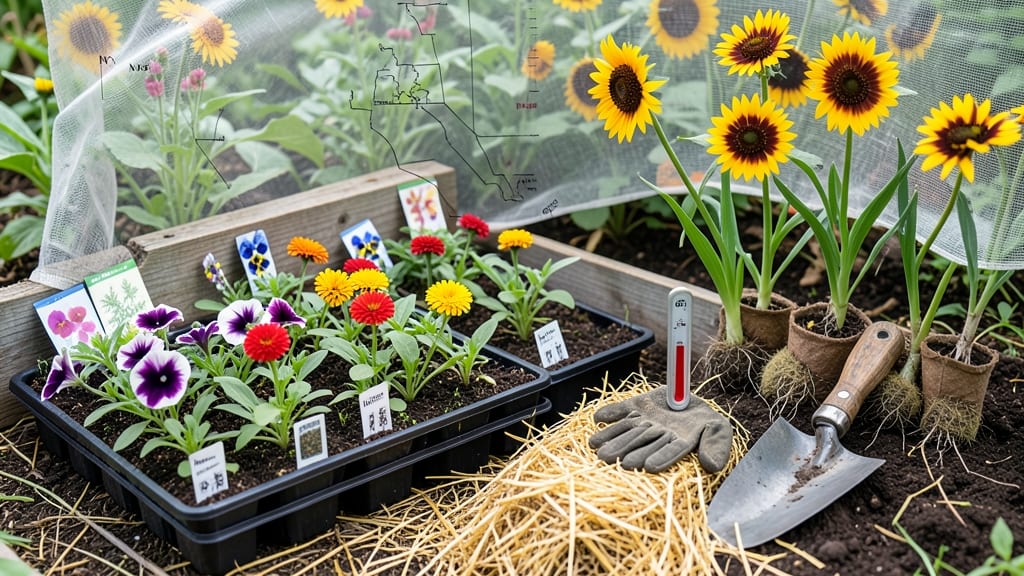
Timing your flower planting in New York’s ever-changing climate can make or break your garden dreams. With USDA Zones 5a-7b bringing unpredictable frosts and heatwaves, knowing the perfect window for planting your 🌸 flowers is the key to a thriving garden.
Whether you're a seasoned gardener or just starting out, getting the timing right means the difference between vibrant blooms and wilted disappointment. I'll walk you through the best months to plant your favorite flowers, accounting for New York's unique microclimates and regional variations.
From the first signs of spring to the crisp air of fall, we'll cover everything you need to know about planting annuals, perennials, and bulbs. Learn how to adjust your schedule for late frosts or early heatwaves, and discover the top flowers that thrive in New York's climate.
By the end, you'll have a clear timeline and practical tips to ensure your garden flourishes all season long. Let's dive in and make your flower planting a success story for 2024 and beyond!
New York flower planting calendar: month-by-month USDA zone 6A-7B guide
New York’s USDA Zones 6A-7B create a unique challenge: late frosts in spring and early chills in fall. My garden thrives when I align planting with these 165 frost-free days, starting after the average last frost date of April 15.
But timing varies—Upstate areas (Zone 6A) may wait until May 1, while NYC (Zone 7B) can start earlier in mid-April.
For annual flowers, I prioritize late April to early May for heat-loving varieties like marigolds or zinnias. Perennials, however, get a head start in early April if I’m using row covers to shield tender shoots.
Fall planting? September 1-15 is my sweet spot for bulbs like tulips and daffodils, giving roots time to establish before winter.
🌱 Pro Tip: Check your local Cooperative Extension Service for hyper-local frost dates—even a 10-day difference can mean the difference between thriving blooms and frost damage.
My biggest mistake? Planting tender annuals like geraniums too early in April. A late frost in May wiped out my entire bed. Now, I mark my calendar with May 15 as my safe zone for heat-loving flowers.
For shade-tolerant perennials like hostas or heucheras, I start as early as March 15—they handle cooler temps like champs.
🌿 Urban Garden Hack: NYC’s microclimates mean your rooftop garden might warm up 2-3 weeks earlier than a ground-level bed. Test soil temps with a thermometer—aim for 60°F+ before planting heat-lovers.
For fall planting, I never wait past September 15. After that, roots struggle to establish before first frost (October 15). My go-to fall bloomers? Chrysanthemums and asters—they handle cooler temps and still deliver vibrant color until November.
☀️ Sunlight Strategy: In Zone 6A, I prioritize south-facing beds for spring planting. The extra 2-3 hours of sunlight gives seedlings a growth boost before summer’s intensity.
How to adjust your planting schedule for late frosts or early heatwaves
New York’s unpredictable weather can throw off even the most careful planting plans. Late frosts in May or early heatwaves in June force gardeners to adapt quickly. The key is flexibility—knowing which flowers can handle surprises and when to delay or protect your seedlings.
I’ve planted dahlias in May only to see frost return, so I now use row covers as a safety net.
Start by checking your local frost date averages. NYC’s last frost typically hits around April 15, but Upstate areas can wait until May 1.
If you’re in doubt, err on the side of caution—waiting 2 weeks past the average last frost date is often safer than rushing. For example, pansies and violas can handle light frosts, but tender annuals like petunias need warmer soil.
For emergency protection, use frost blankets or cloches to shield seedlings during unexpected cold snaps. I’ve saved tomato starts (not flowers, but the principle applies) by covering them with burlap sacks when temps dip below 40°F.
Even a lightweight row cover can raise soil temps by 5-8°F, giving delicate plants a fighting chance.
If early heatwaves strike, shift your focus to shade-loving annuals like impatiens or coleus. These thrive in partial shade and won’t bolt like sun-lovers. For existing plants, mulch heavily to retain moisture and reduce soil temperature spikes.
I’ve seen marigolds wilt under 90°F+ heat, so I now plant them in morning sun with afternoon shade.
Another trick? Stagger your planting. Instead of putting all your annual seeds in the ground at once, sow half in late April and half in early June. This ensures a continuous bloom cycle, even if one batch gets nipped by frost.
For bulbs like tulips, plant in fall (October) to establish roots before winter, but avoid planting if the ground is frozen or waterlogged.
Finally, keep an eye on your soil temperature. Use a soil thermometer to confirm it’s above 50°F before planting warm-season flowers like zinnias or sunflowers. If your soil is still chilly, hold off—root growth stalls below 50°F, leaving plants vulnerable to stress.
Patience here pays off with stronger, healthier blooms all season.