
Trees
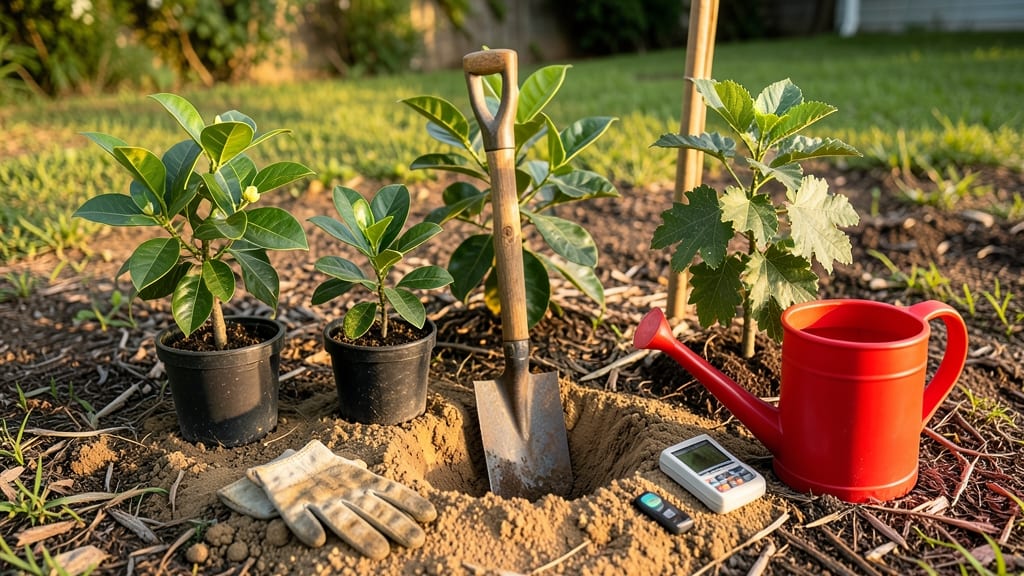
Timing your fruit tree planting in Florida right could mean the difference between a thriving orchard and a struggling sapling. The Sunshine State’s unique climate—with its warm winters and humid summers—creates a narrow window where trees can establish strong roots before facing stress from heat or cold.
I’ve seen firsthand how planting too early or late can stunt growth, especially with citrus, avocado, and mango varieties that need just the right soil warmth to take off.
Whether you’re a backyard gardener or a homestead owner, knowing the best months for each type of fruit tree is key to avoiding common pitfalls like transplant shock or poor yields.
In this guide, I’ll break down the fastest, most reliable planting schedule for Florida’s most popular fruit trees, so you can get your trees in the ground at the perfect moment.
You’ll also discover soil prep tricks and post-planting care tips that’ll help your trees grow like crazy from day one.
Ready to turn your Florida yard into a fruit-bearing paradise? Let’s dive into the exact months and methods that’ll set your trees up for success—no guesswork required.
Optimal Florida fruit tree planting months by variety: citrus vs. tropical vs. temperate
Florida’s unique climate—with its subtropical zones in the south and humid temperate areas in the north—means fruit trees thrive year-round, but timing still matters. Planting at the wrong time can lead to poor root establishment or even plant shock, especially for tropical varieties sensitive to cooler temperatures.
The key is understanding each fruit tree’s dormancy needs and soil temperature thresholds before breaking ground.
For citrus trees like oranges and grapefruits, the ideal planting window is late winter to early spring (January–March), when soil temperatures rise above 60°F. This aligns with Florida’s dry season, reducing fungal risks.
Meanwhile, tropical fruit trees (mangoes, avocados) prefer summer planting (June–August) when humidity is high and frost-free days are guaranteed.
Temperate fruit trees like peaches and figs have different needs—they benefit from fall planting (September–November) to establish roots before winter’s mild chill. Florida’s microclimates also play a role: coastal areas can plant later than inland zones, thanks to warmer ocean breezes.
Here’s a quick breakdown of soil temperature thresholds for each type: citrus needs 60–65°F, tropicals thrive at 70–75°F, and temperate trees prefer 55–60°F. Use a soil thermometer to check before planting—this small tool can save you from costly mistakes.
Now, let’s dive into the exact planting months for each category, including best practices to ensure your fruit trees take root quickly and produce bountiful harvests.
| 🌱 Variety | 📅 Best Planting Months | 🌡️ Soil Temp. Threshold | 🌿 Key Notes |
|---|---|---|---|
| Citrus (Orange, Grapefruit, Lemon) | Jan–Mar (Late Winter) | 60–65°F | Avoid frost risk; plant after last cold snap. |
| Tropical (Mango, Avocado, Guava) | Jun–Aug (Summer) | 70–75°F | High humidity aids root growth; use shade cloth if intense. |
| Temperate (Peach, Fig, Pomegranate) | Sep–Nov (Fall) | 55–60°F | Establish roots before mild winter chill. |
Understanding these planting windows ensures your fruit trees get a strong start, but soil prep is just as critical. Florida’s sandy soils drain too quickly and lack organic matter, so amending the soil with compost or aged manure before planting is a must.
Aim for a pH between 6.0–7.0—citrus prefers slightly acidic soil, while tropical trees tolerate a broader range.
Another pro tip: avoid planting during Florida’s hurricane season (June–November). Strong winds can uproot young trees, and flooding can drown roots. If you must plant in summer, choose container-grown trees—they’re easier to stabilize in windy conditions.
For bare-root trees, plant as soon as possible after purchase to prevent root desiccation. Soak roots in water mixed with a rooting hormone for 1–2 hours before planting. Container-grown trees, however, can handle a slight delay—just keep them in partial shade until you’re ready to transplant.
Once planted, mulch heavily (3–4 inches of organic mulch) to retain moisture and regulate soil temperature. This is especially important in summer’s heat, where evaporation rates skyrocket. Water deeply 2–3 times per week for the first month, then taper off as roots establish.
Finally, fertilize lightly 4–6 weeks after planting with a balanced 6-6-6 or 8-3-9 formula to encourage foliage and root growth. Over-fertilizing can burn young roots, so follow the package instructions closely.
With the right timing and care, your fruit trees will reward you with harvests in as little as 2–5 years!
How to prepare Florida soil and site for fast fruit tree root establishment
Florida’s sandy, fast-draining soils can be tricky for fruit trees—too loose, and roots struggle to anchor. The key is amending soil to retain moisture while improving nutrient content. Start by testing your soil pH (aim for 6.0–7.0 for most fruit trees).
If your soil is too acidic, mix in pelletized lime; if alkaline, add sulfur or peat moss. My go-to amendment is a 50/50 mix of compost and topsoil, worked into the top 12–18 inches of soil.
Drainage is non-negotiable in Florida. Poor drainage leads to root rot, especially for citrus and avocado trees. If your yard sits in a low spot, create a raised bed or mound the soil to ensure water flows away from the roots.
For container-grown trees, use pots with drainage holes and a mix of cactus/succulent soil blended with perlite for aeration.
🚨
Too much organic matter can smother roots or attract pests. Stick to 2–3 inches of compost per planting hole—any more risks nutrient burn or fungal issues.
✅ DO: Test soil first | ❌ DON’T: Use fresh manure (burns roots)
Choose a sunny, wind-protected spot—fruit trees need 6–8 hours of sunlight daily, but Florida’s hurricane-force winds can damage young trees. Plant near a fence or hedge as a windbreak, or use stakes and ties for support during storms.
Avoid planting under large shade trees, which compete for water and nutrients.
Before planting, dig a hole twice as wide as the root ball but only as deep. This encourages roots to spread horizontally rather than sinking too deep. Loosen the sides of the hole with a shovel to reduce compaction.
For bare-root trees, soak the roots in water mixed with mycorrhizal fungi for 1–2 hours before planting to boost root growth.
Mulch is your secret weapon in Florida’s heat. Apply 3–4 inches of organic mulch (like pine bark or wood chips) around the base of the tree, keeping it 6 inches away from the trunk to prevent rot.
Mulch retains moisture, regulates soil temperature, and suppresses weeds—critical in Florida’s hot, humid summers.
Finally, water deeply right after planting to eliminate air pockets in the soil. Use a hose with a gentle spray nozzle to avoid eroding the soil. For the first 2–3 weeks, water every other day to help roots establish.
After that, adjust based on rainfall—drought stress is just as harmful as overwatering in Florida’s climate.