
Trees
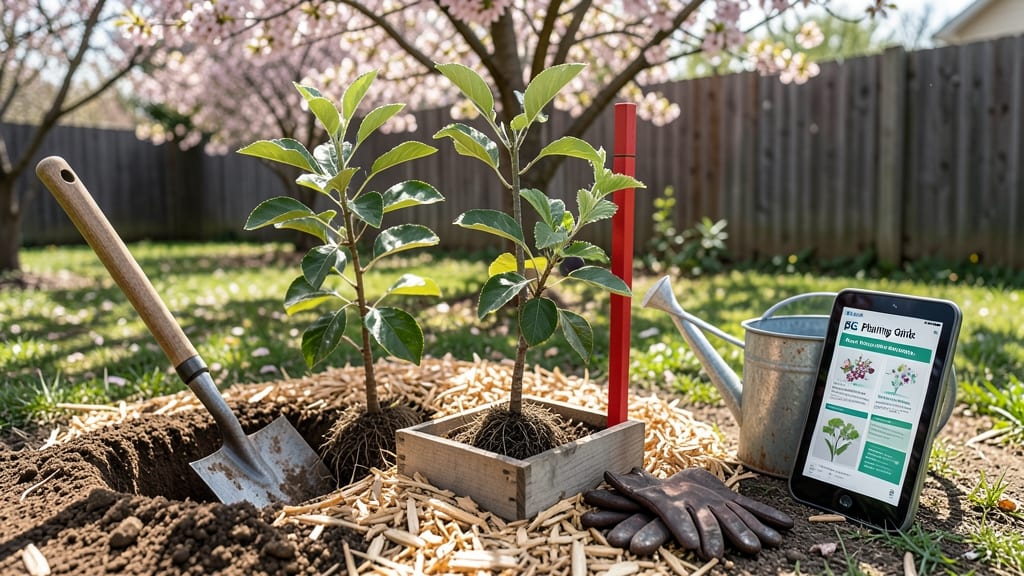
Timing your fruit tree planting in British Columbia can make or break your harvest—get it wrong, and your young saplings might not survive the first frost. With BC’s diverse climate zones, from Vancouver’s mild coastal areas to the Interior’s colder winters, knowing the perfect window is key to success.
Most gardeners in BC plant fruit trees in early spring, but the exact timing depends on your zone and the specific type of fruit. Apples and pears, for example, need chill hours—a cold period to set fruit—while stone fruits like cherries and peaches have different needs.
I’ll break down the best months for your region, so you can avoid common mistakes and give your trees the best start.
Whether you’re in the rainy coastal zones or the drier Interior, understanding frost dates and soil conditions is crucial. You’ll discover how to prepare your soil, choose the right varieties for your area, and protect your young trees from late-season frosts.
Let’s dive into the step-by-step guide that’ll help your fruit trees thrive.
From selecting the right chill-hour varieties to planting at the ideal time, this guide covers everything you need to know. You’ll learn how to read your local frost-free dates, prepare your planting site, and care for your trees in their first critical months.
Ready to grow your own orchard? Let’s get started.
BC fruit tree planting calendar by hardiness Zone (chill-hours & frost dates)
British Columbia’s climate ranges from Zone 3 in the coldest Interior valleys to Zone 9 in coastal areas like Vancouver Island. But the real game-changer for fruit trees isn’t just the zone—it’s chill-hours and frost-free dates.
Apples, for example, need 500-1,000 chill-hours, while peaches thrive with just 300-500. Planting at the wrong time can leave your tree struggling to fruit—or worse, dying in a late frost.
Most BC gardeners plant fruit trees in either early spring (March-April) or late fall (October-November). Spring planting gives roots time to establish before summer heat, while fall planting lets trees settle before winter dormancy.
But timing varies by zone: Coastal areas (like Victoria) have earlier frost-free dates (mid-March), while the Okanagan’s frost-free window opens in late April.
Here’s the critical rule: Plant when soil temps hit 10°C (50°F) and the risk of hard frost has passed. For late fall planting, do it 4-6 weeks before ground freezes—usually by mid-October in most zones.
Use local frost date data from Agriculture Canada or BC Ministry of Agriculture to fine-tune your schedule.
🌱
🌡️ BC Planting Windows by Zone & Chill-Hours
| Zone | Chill-Hours Needed | Best Planting Window | Frost-Free Date | Top Fruit Trees |
|---|---|---|---|---|
| 3-4 (Interior) | 800-1,200 | Late April–May | Mid-May | Apples, Cherries, Pears |
| 5-6 (Okanagan) | 500-900 | March–April | Late April | Peaches, Plums, Apricots |
| 7-8 (Vancouver) | 300-600 | February–March | Mid-March | Fig, Pear, Low-Chill Apple |
| 9 (Coastal) | 200-400 | January–February | Early March | Olive, Kiwi, Citrus |
Pro Tip: Use BC Tree Fruits’ chill-hour calculator to match varieties to your zone.
For apples and pears, aim for March-April planting in most zones. These trees need deep dormancy, and planting too early can stress roots. In Zone 5-6 (Okanagan), where winters are cold but summers are hot, late April is ideal—giving roots time to establish before summer drought stress.
Stone fruits like peaches and cherries are trickier. They need 300-500 chill-hours and can’t tolerate late frosts. Plant them in early spring (March) in coastal zones (Zone 7-8) or late April in the Interior.
If you’re in Zone 4-5, choose high-chill varieties like ‘Starking Delicious’ apples or ‘Lapins’ cherries.
🌿
Don’t overlook fall planting—it’s perfect for bare-root trees and gives roots a head start. In Zone 6-7, plant by mid-October; in Zone 4-5, wrap up by early October.
Water deeply before the first frost to protect roots. For container-grown trees, fall planting works too, but avoid it in Zone 9 where mild winters can confuse dormancy cycles.
One common mistake? Planting too late in spring. By June, young trees struggle to establish before winter. If you miss the window, hold off until next fall. And always mulch heavily (10-15cm of straw or wood chips) to insulate roots from temperature swings.
☀️
Best fruit trees for BC’s climate: chill-hour matching guide
British Columbia’s diverse climate means not all fruit trees thrive equally across its regions. In Vancouver (Zone 7-8), low-chill varieties like ‘Anna’ apple or ‘Starking Delicious pear excel, while the Okanagan Valley (Zone 5-6) supports mid-chill favorites such as ‘Crimson Crisp’ apple or ‘Lapins’ cherry.
For colder Interior regions (Zone 4-5), high-chill options like ‘McIntosh’ apple or ‘Montmorency’ tart cherry are essential.
Chill-hours determine whether a tree blooms properly—too few, and you’ll get sparse fruit. For example, apples typically need 800-1,200 chill-hours, while peaches require 500-900. Always check the variety’s label or nursery notes to match your zone’s chill-hours with the tree’s needs.
Disease resistance is another key factor. In BC’s damp climate, fire blight-resistant apples like ‘Freedom’ or ‘Liberty’ are smart choices. For stone fruits, ‘Stella’ cherry resists cracking, while ‘Redhaven’ peach handles BC’s heat spikes better than others.
🌱
| Fruit Type | Best Varieties for BC | Chill-Hours | Disease Resistance |
|---|---|---|---|
| Apples | ‘Anna’, ‘Freedom’, ‘McIntosh’ | 800-1,200 | Fire blight, scab |
| Cherries | ‘Stella’, ‘Lapins’, ‘Montmorency’ | 500-900 | Cracking, brown rot |
| Pears | ‘Starking Delicious’, ‘Seckel’ | 400-800 | Fire blight |
| Peaches/Nectarines | ‘Redhaven’, ‘Fantasia’ | 500-900 | Leaf curl, bacterial spot |
When selecting trees, prioritize dwarf or semi-dwarf varieties for smaller yards—they fruit faster and are easier to maintain. For example, a ‘Columnar’ apple tree stays under 8 feet tall while producing abundant fruit. Always buy from BC-certified nurseries to ensure disease-free, locally adapted stock.
For urban gardeners, consider container-friendly varieties like ‘Bonanza’ apple or ‘Skeena’ cherry, which tolerate root restriction. Just ensure containers are at least 18 inches deep with drainage holes to prevent root rot in BC’s wet winters.
✂️